
The Transition into the Holocene: Climate Change, …
Years: 11277BCE - 9550BCE
The Transition into the Holocene: Climate Change, Human Migration, and Environmental Transformations
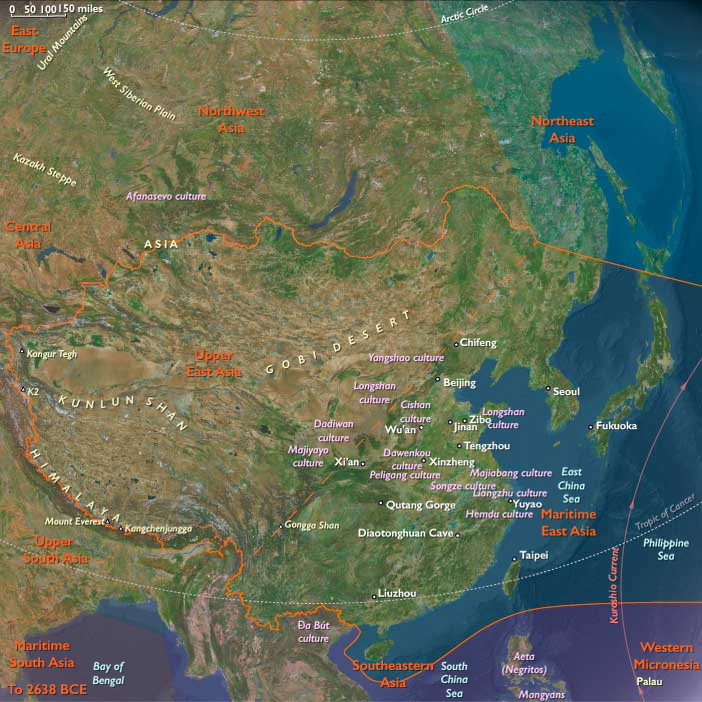
During this epoch, the Northern Hemisphere experienced significant warming, accelerating the deglaciation processand causing rising sea levels as ice sheets continued to melt. This climatic shift marked the transition into the Holocene epoch, a period of relative climate stability following the Last Glacial Maximum (LGM).
Glacial Retreat and Human Recolonization
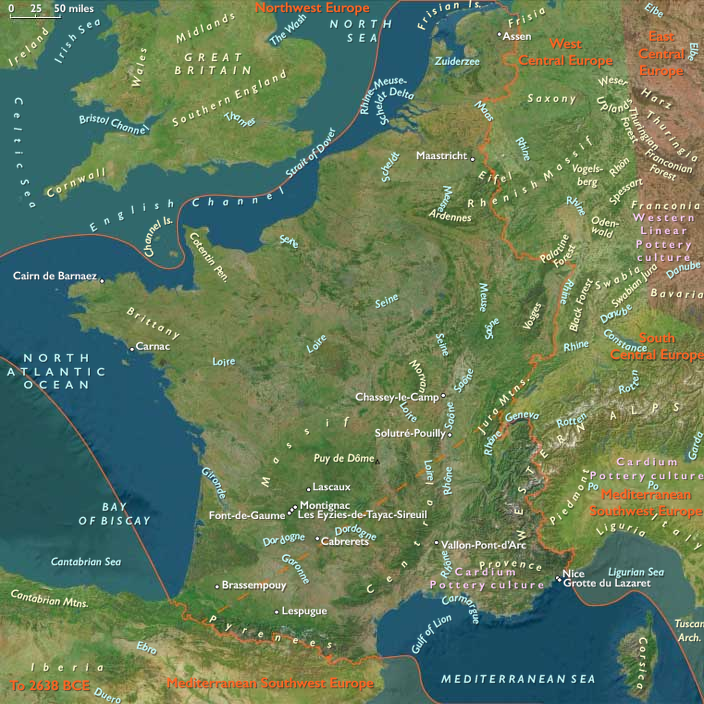
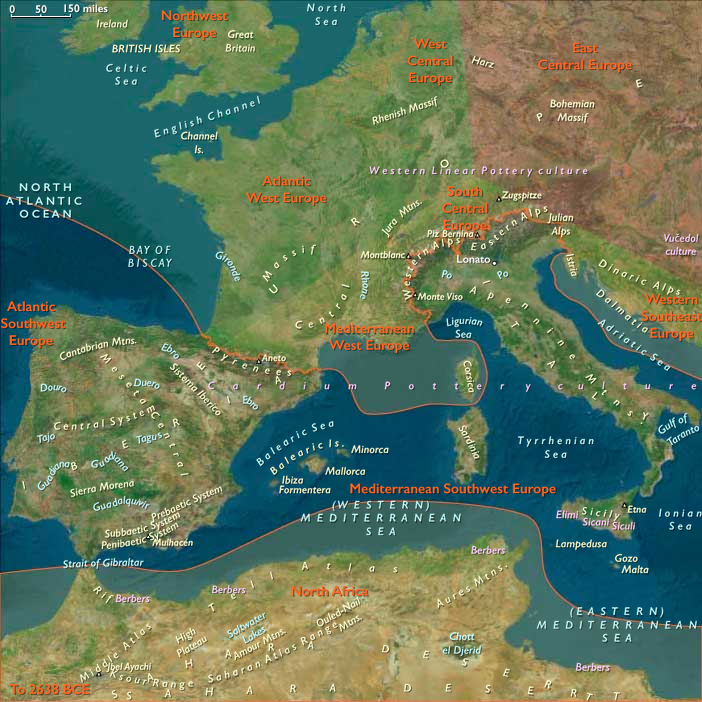
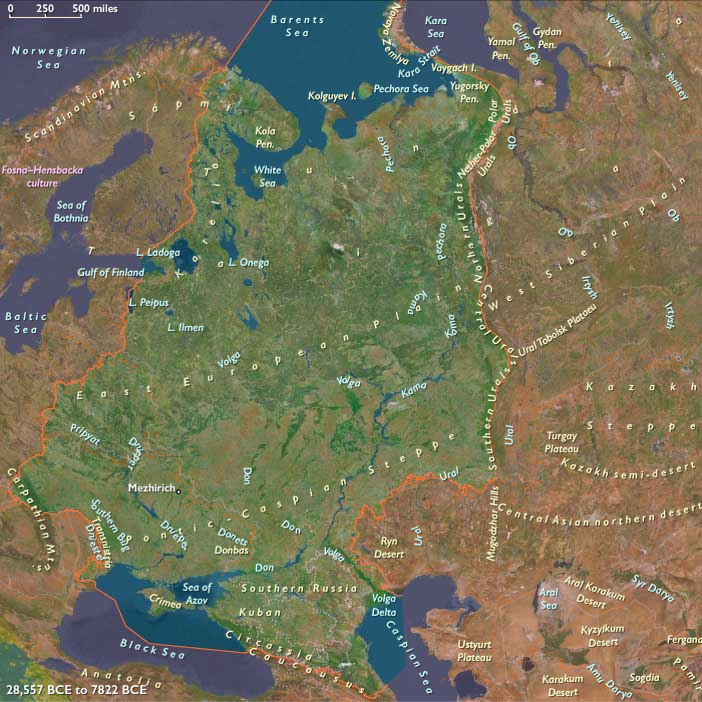
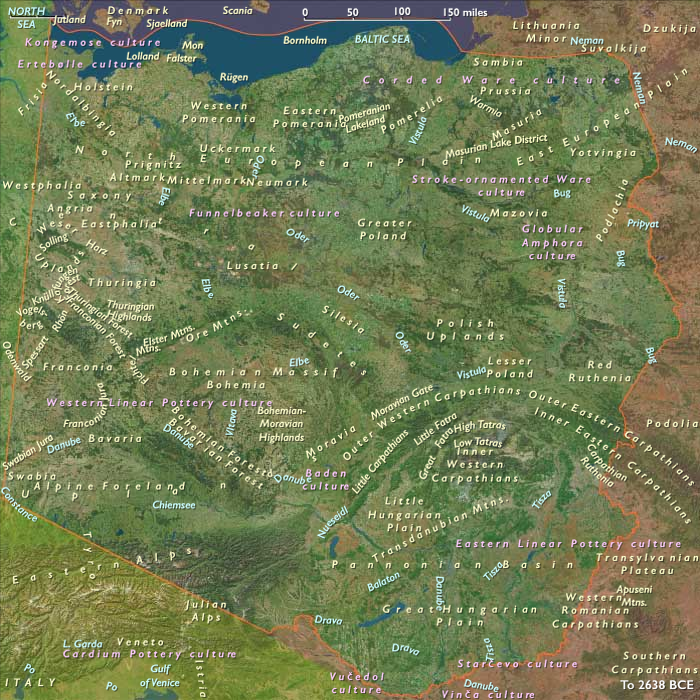
- Land ice receded from Denmark and southern Sweden, opening up new habitable territories.
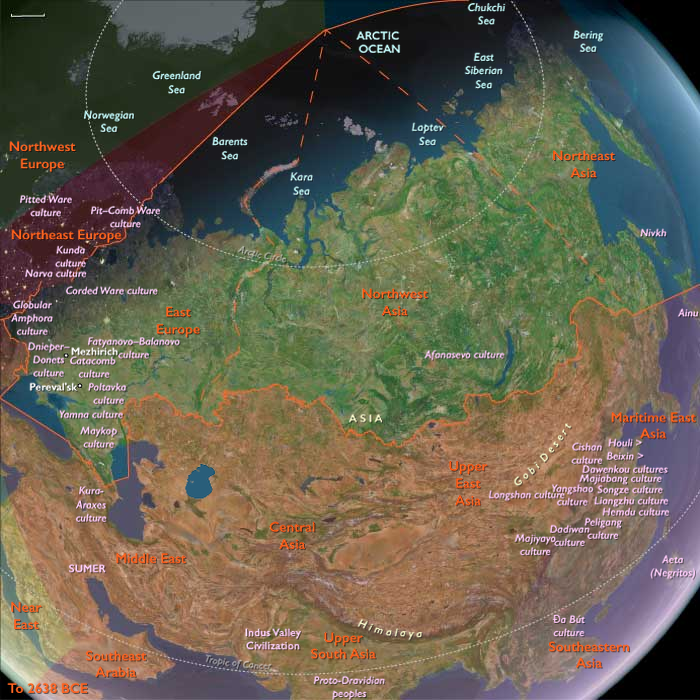
- Human populations, previously confined to refuge areas, began repopulating Eurasia as ice sheets withdrew.
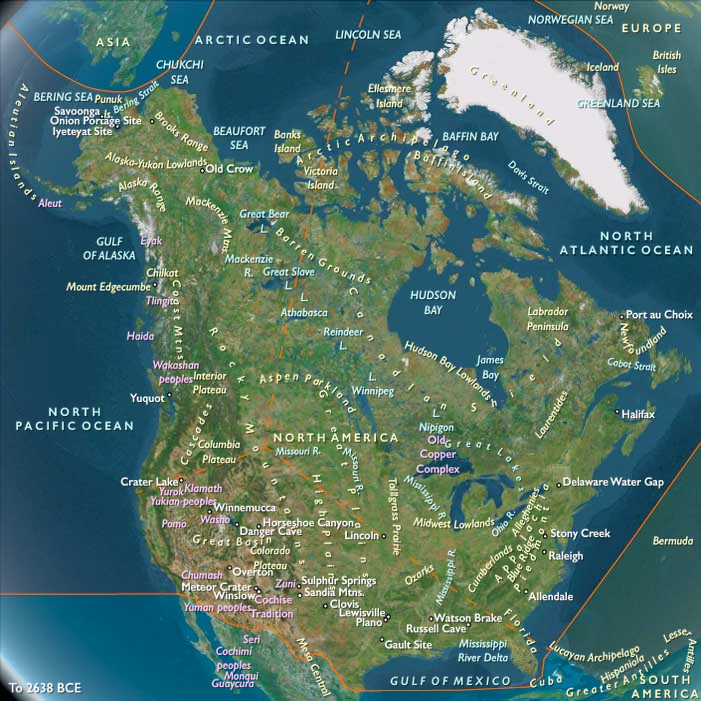
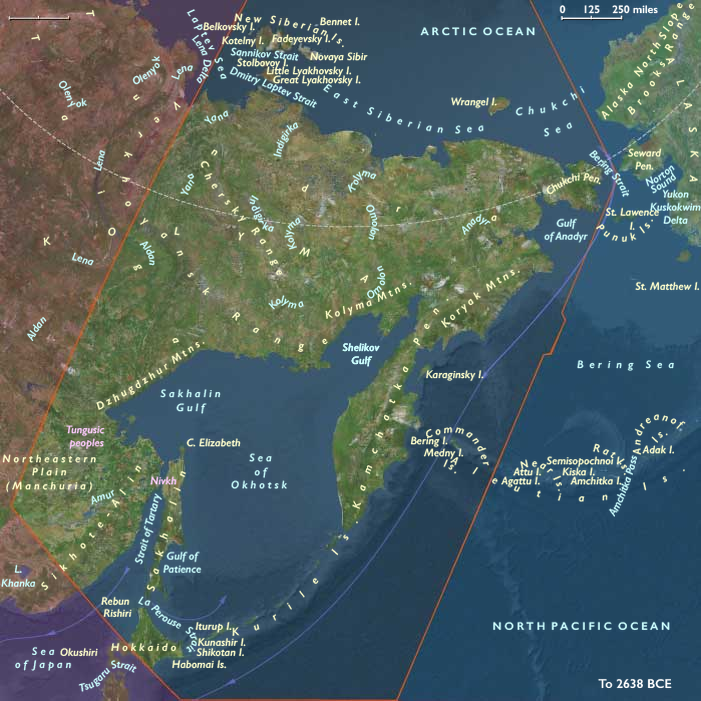
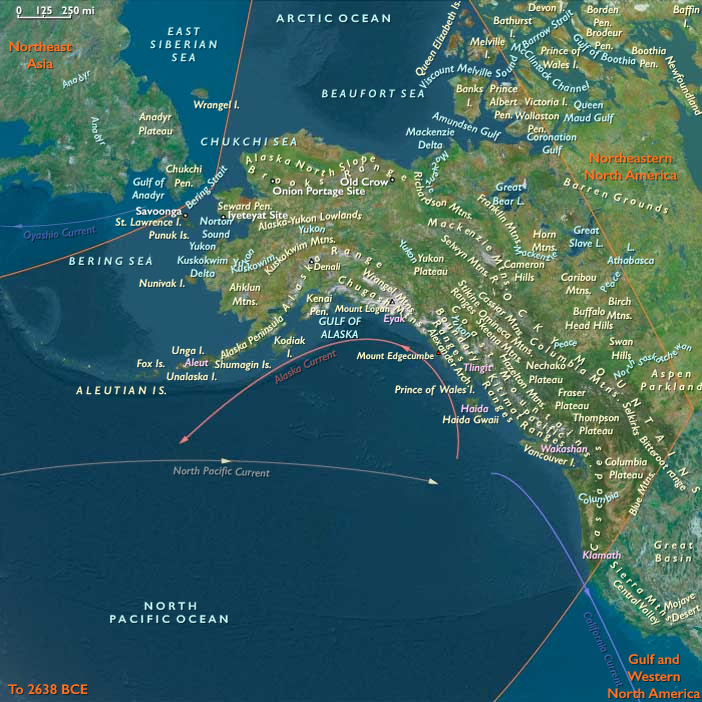
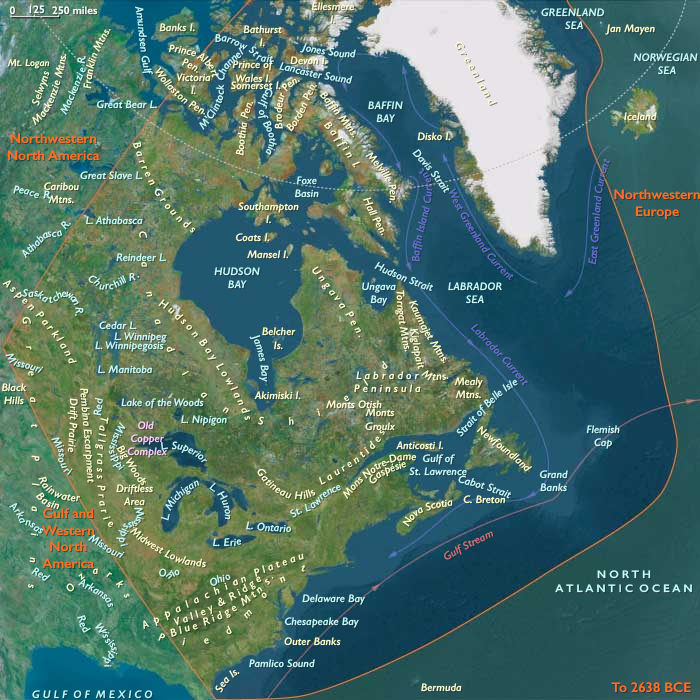
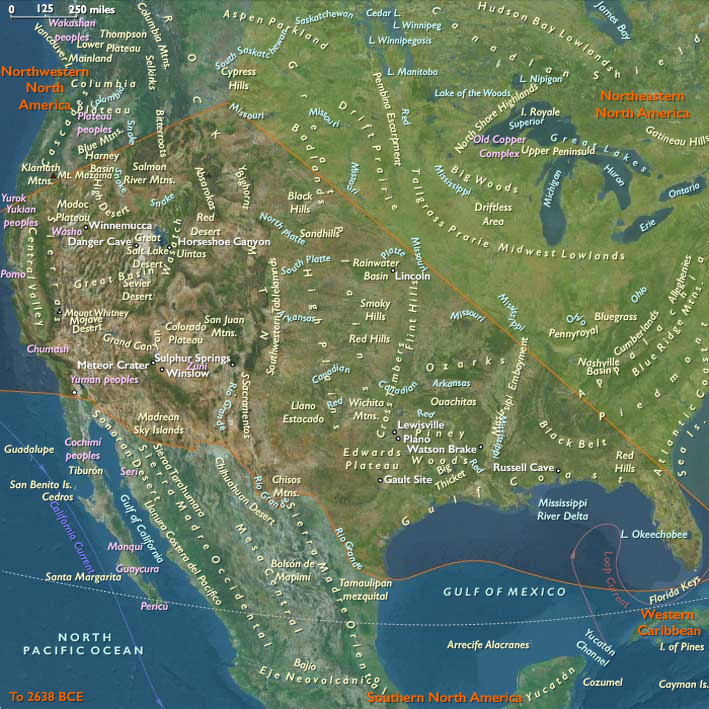
- For the first time, humans crossed Beringia into North America, initiating the peopling of the Americas.
The Atlantis Narrative and Speculative Cataclysmic Events
According to Plato's dialogues Timaeus and Critias (circa 360 BCE), the legendary island of Atlantis—described as lying “in front of the Pillars of Hercules” (modern Straits of Gibraltar)—was said to have sunk around 10,000 years earlier along with its advanced civilization.
Some researchers speculate that a cataclysmic event of global significance may have occurred around 9577 BCE, potentially involving:
- Crustal shifts and a possible axial tilt of the Earth
- Mass extinctions of animal species
- The formation of new mountain ranges
- Significant alterations in landmasses
- Massive volcanic eruptions and earthquakes
While no definitive evidence supports a single catastrophic event, glacial retreat after the 11th millennium BCEreshaped landscapes and ecosystems worldwide.
Climate Shifts and Desertification
As the climate stabilized, new regional climate patterns emerged:
-
Permanent Mediterranean climates developed in regions such as:
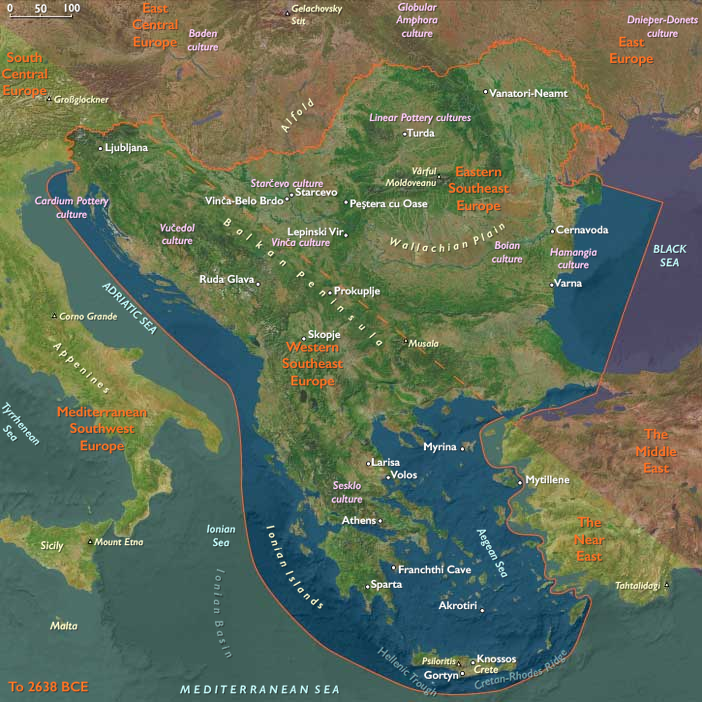
- The Mediterranean Basin
- California
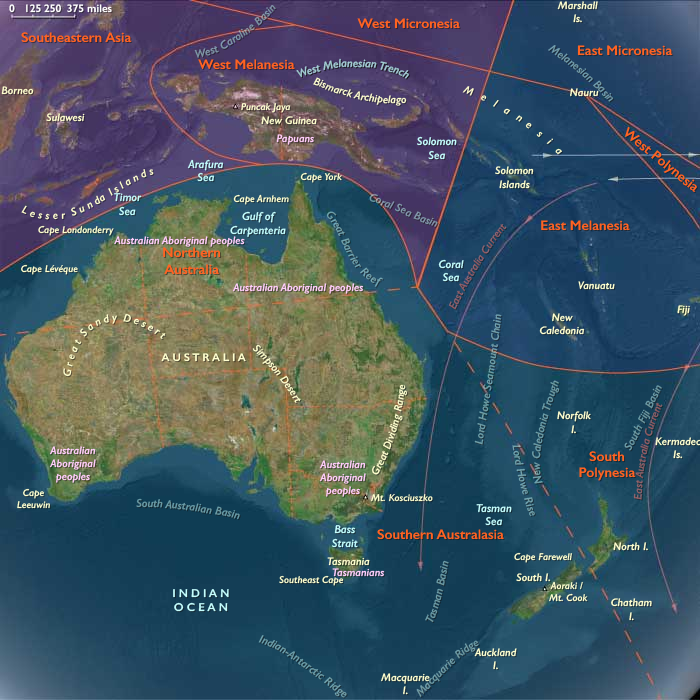
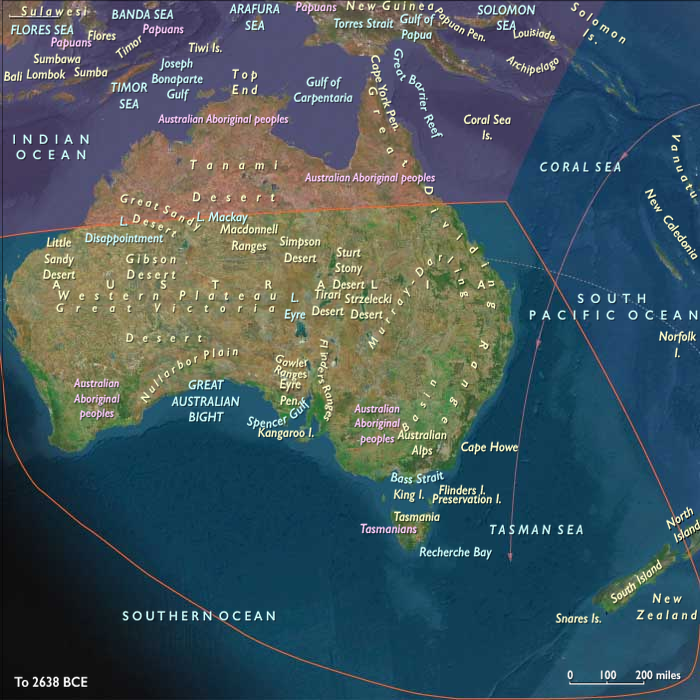
- Southwestern Australia
- Chile
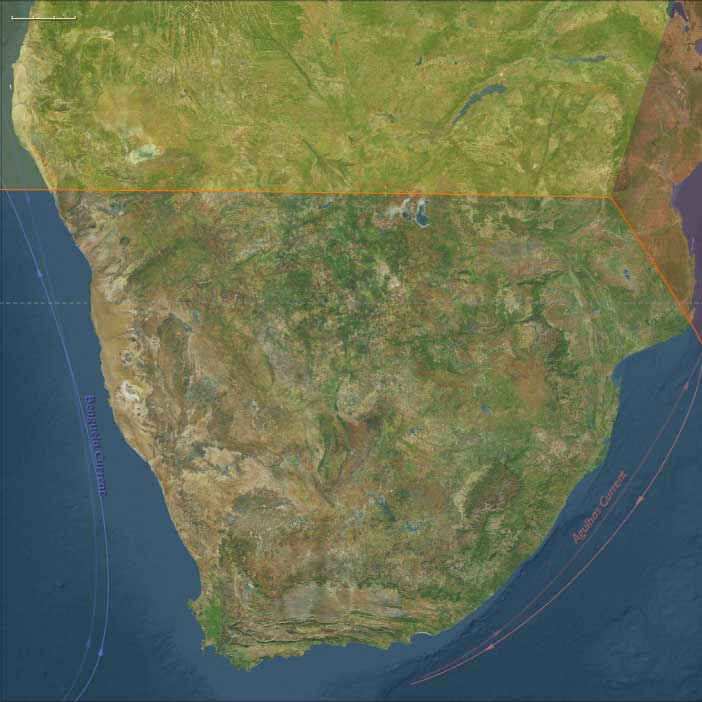
- Southwestern Africa
-
Desertification gradually encroached upon subtropical regions, fundamentally transforming ecosystems and influencing early human settlements.
This period marked a turning point in human history, as warmer, stable climates allowed for agricultural developments, leading to the eventual rise of Neolithic societies and early civilizations.
Topics
- Paleolithic
- Pleistocene Epoch
- Last glacial period
- Allerød Oscillation
- Global Changes & the Atlantis Legend
- Late Glacial Maximum
- Younger Dryas
- Neolithic Revolution
- Preboreal Period
Subjects
Regions
- Australasia
- East Asia
- Southeast Europe
- West Europe
- Northeastern Eurasia
- Southwest Europe
- Northern North America
- South America
Subregions
- Northeast Asia
- Northwestern North America
- Southern Australasia
- Maritime East Asia
- East Europe
- Northeast Europe
- East Central Europe
- Eastern Southeast Europe
- Temperate Southern Africa
- Western Southeast Europe
- South Central Europe
- Mediterranean West Europe
- Mediterranean Southwest Europe
- North Africa
- Atlantic Southwest Europe
- Atlantic West Europe
- West Central Europe
- Northwest Europe
- Northeastern North America
- South America Major
- Gulf and Western North America

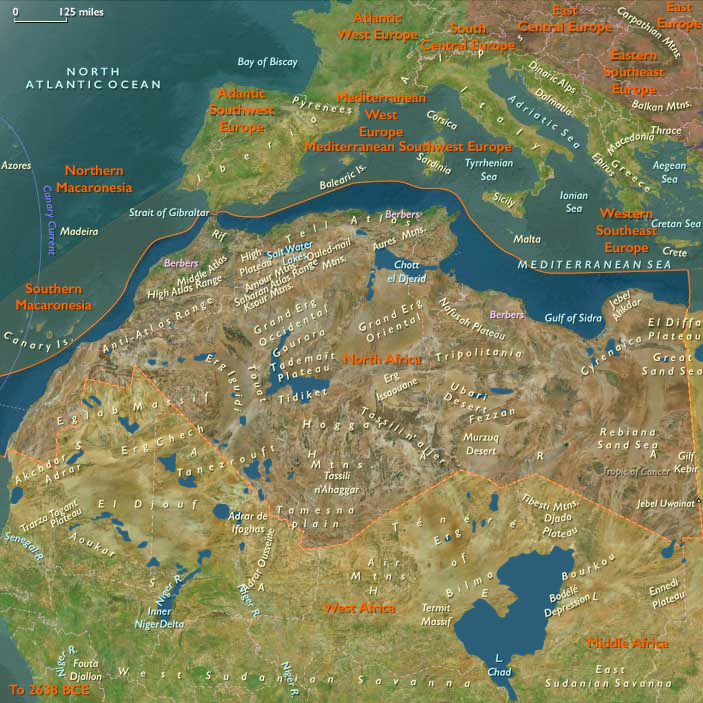
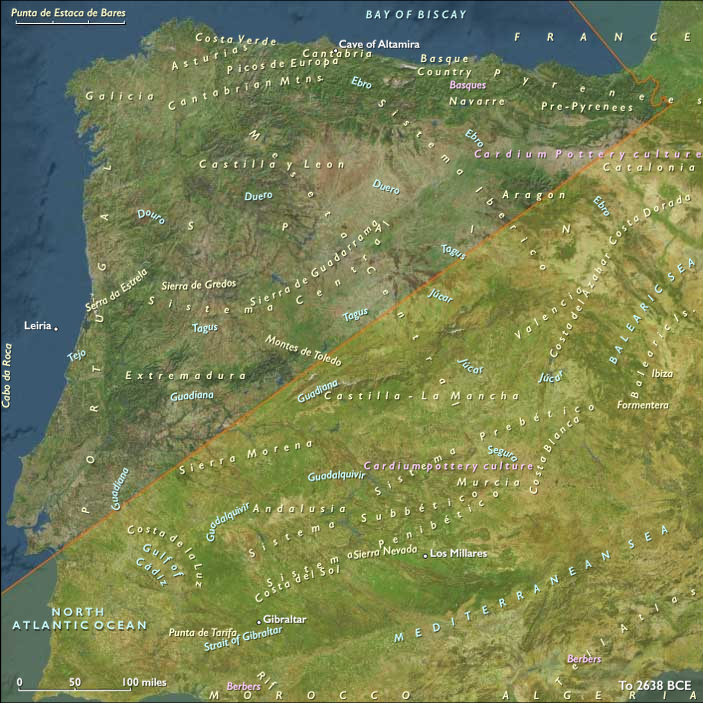
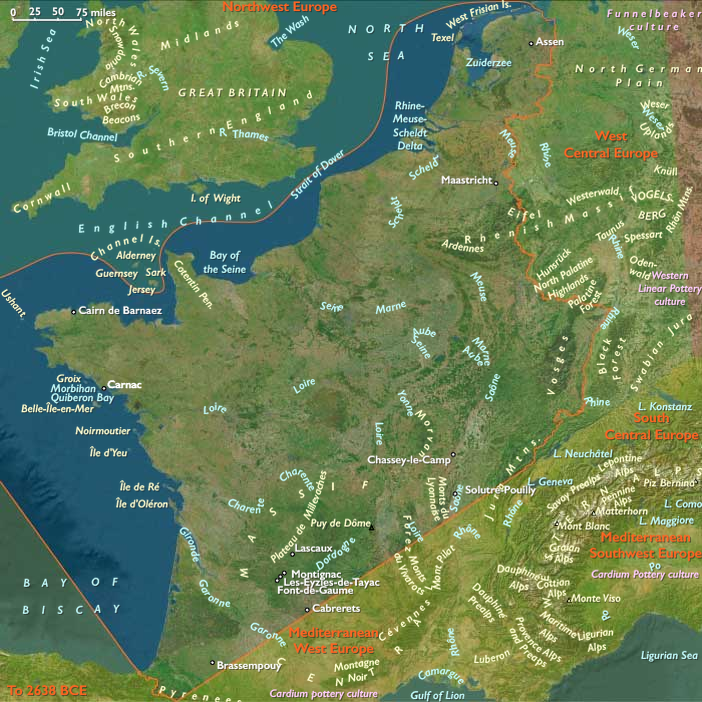
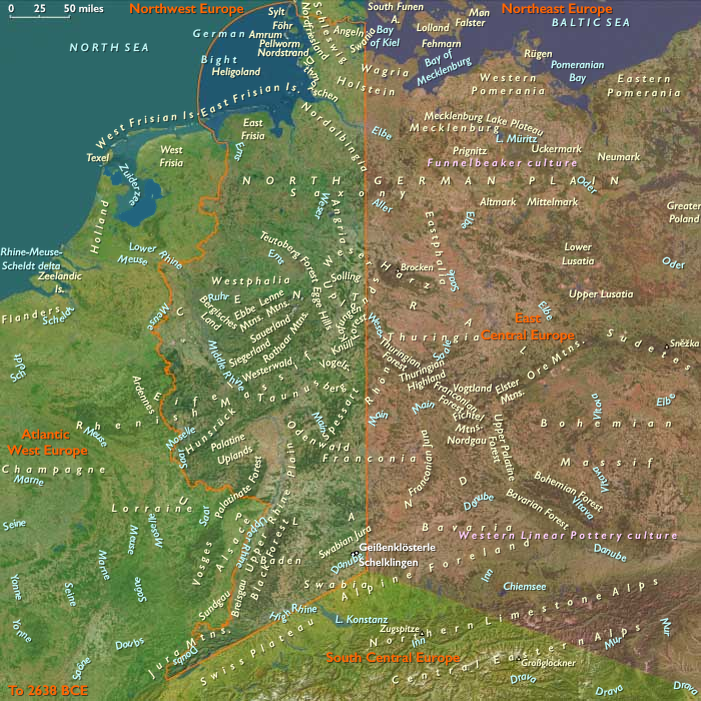

Years: 11277BCE - 9550BCE
Topics
- Paleolithic
- Pleistocene Epoch
- Last glacial period
- Allerød Oscillation
- Global Changes & the Atlantis Legend
- Late Glacial Maximum
- Younger Dryas
- Neolithic Revolution
- Preboreal Period
Subjects
Regions
- Australasia
- East Asia
- Southeast Europe
- West Europe
- Northeastern Eurasia
- Southwest Europe
- Northern North America
- South America
Subregions
- Northeast Asia
- Northwestern North America
- Southern Australasia
- Maritime East Asia
- East Europe
- Northeast Europe
- East Central Europe
- Eastern Southeast Europe
- Temperate Southern Africa
- Western Southeast Europe
- South Central Europe
- Mediterranean West Europe
- Mediterranean Southwest Europe
- North Africa
- Atlantic Southwest Europe
- Atlantic West Europe
- West Central Europe
- Northwest Europe
- Northeastern North America
- South America Major
- Gulf and Western North America