
Filters:
The Foundation of the Hôtel-Dieu and the …
Years: 651 - 651
The Foundation of the Hôtel-Dieu and the Marriage of Clovis II to Balthild (651 CE)
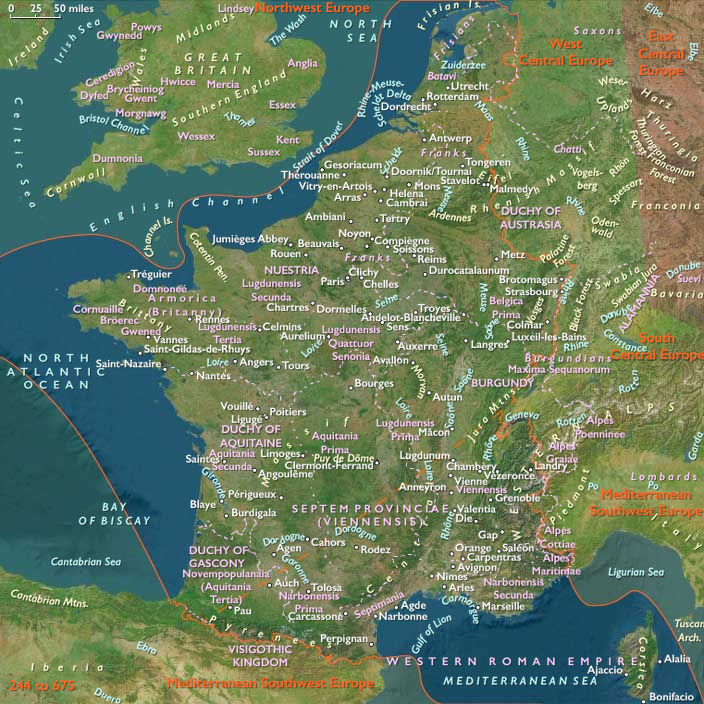
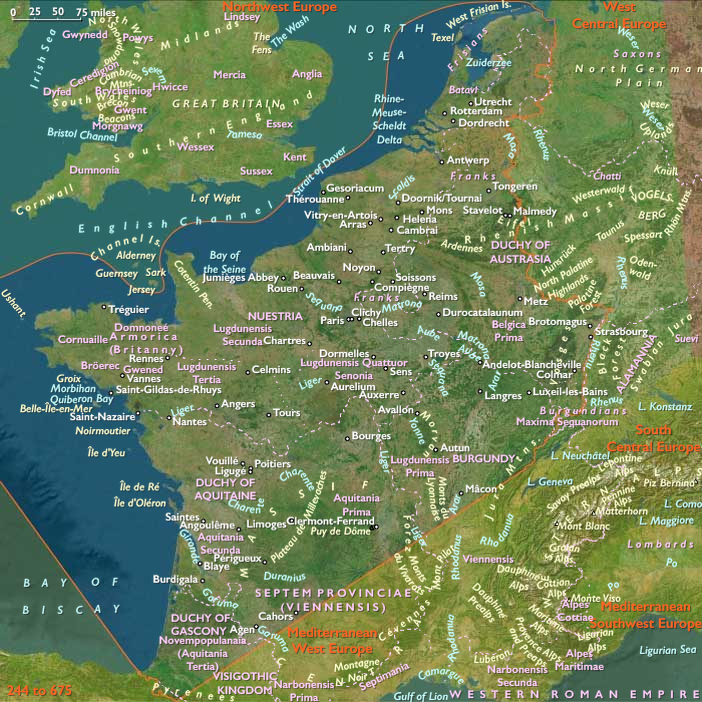
In 651 CE, two significant events shape Neustria and Burgundy:
- The founding of the Hôtel-Dieu de Paris, the first major hospital in Paris, by Bishop Landry (Landericus).
- The marriage of Clovis II to Balthild, an Anglo-Saxon aristocrat who had been sold into slavery and later given to Clovis by his Mayor of the Palace, Erchinoald.
1. The Hôtel-Dieu de Paris: The First Major Hospital in Paris
- Bishop Landry of Paris establishes the Hôtel-Dieu, making it the first major hospital in the city.
- This hospital provides care for the sick, poor, and abandoned, reinforcing the growing charitable role of the Church in urban centers.
- Over the centuries, the Hôtel-Dieu remains one of the most important hospitals in France, setting a precedent for future monastic and cathedral-based medical institutions in medieval Europe.
2. The Marriage of Clovis II and Balthild
- Balthild, originally of Anglo-Saxon noble descent, had been captured and sold into slavery in Gaul.
- She was owned by Erchinoald, the Mayor of the Palace, who later gave her to Clovis II, likely to strengthen his own political position at court.
- Clovis II marries Balthild, elevating her from slavery to Queen of Neustria and Burgundy.
- Balthild later becomes one of the most powerful queens of the Merovingian dynasty, known for:
- Her charitable works, particularly her support for monasteries and hospitals.
- Her efforts to end the slave trade, likely influenced by her own past.
- Serving as regent after Clovis II’s death for their young son, Chlothar III.
Conclusion: A Turning Point in Frankish Social and Political Life
- The foundation of the Hôtel-Dieu de Paris (651 CE) marks an important step in Church-sponsored medical care, setting a precedent for Christian charitable institutions in medieval France.
- The marriage of Clovis II and Balthild highlights the fluidity of social mobility in Merovingian Gaul, as a former slave becomes queen and later one of the most influential women in Frankish history.
- These events reinforce the increasing power of the Church in society and the dominance of the Mayor of the Palace in Frankish politics, trends that will define the late Merovingian period.
Locations
People
Groups
Topics
Commodoties
Subjects
Regions
Subregions
Years: 651 - 651
Locations
People
Groups
Topics
Commodoties
Subjects
Regions
Subregions