
The Older and Younger Peron Transgressions: Climatic …
Years: 4077BCE - 3934BCE
The Older and Younger Peron Transgressions: Climatic and Coastal Transformations in the Mid-Holocene
By 4100 BCE, the effects of the Older Peron Transgression had subsided, restoring climatic conditions in Europe to those of the Atlantic Period—the warmest and most humid phase of the Holocene. This stabilization allowed for the continued expansion of Neolithic farming communities, as well as cultural and technological advancements across the continent.
The Younger Peron Transgression (4000–3400 BCE)
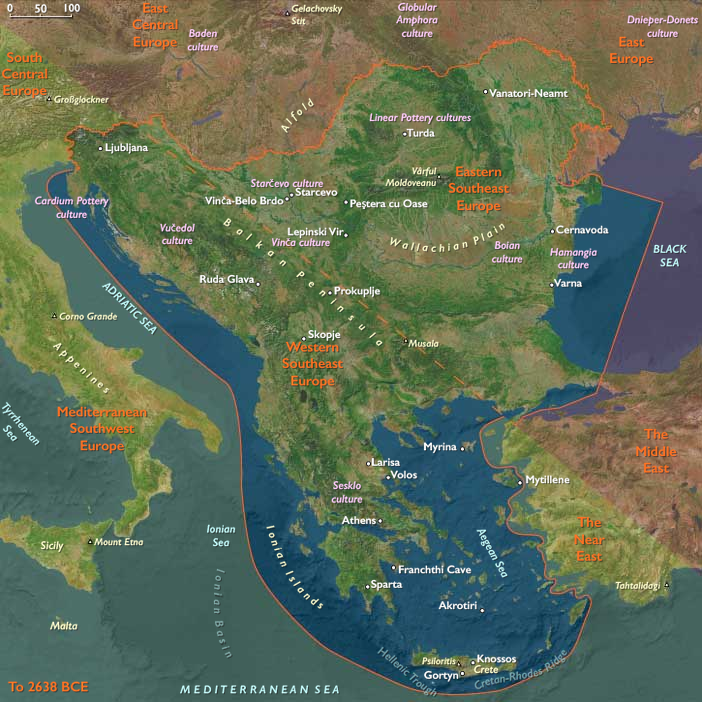
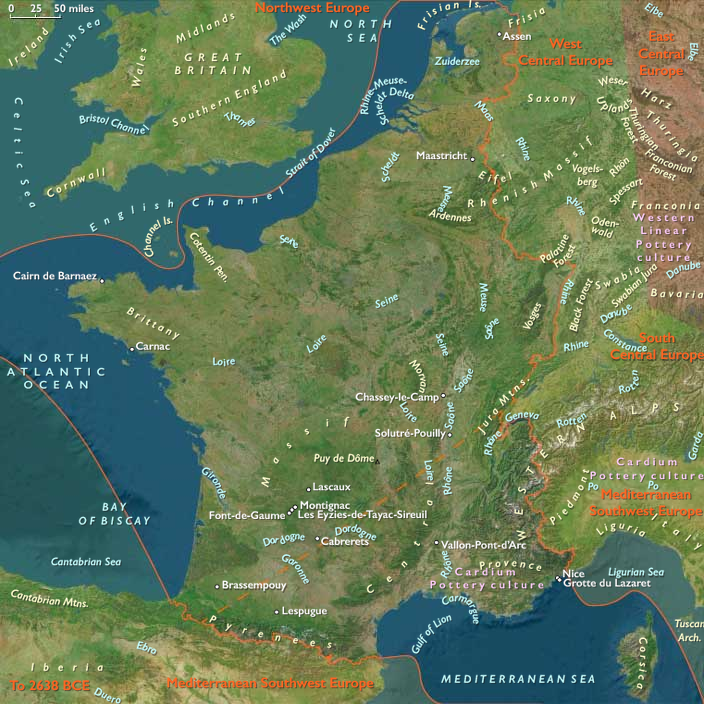
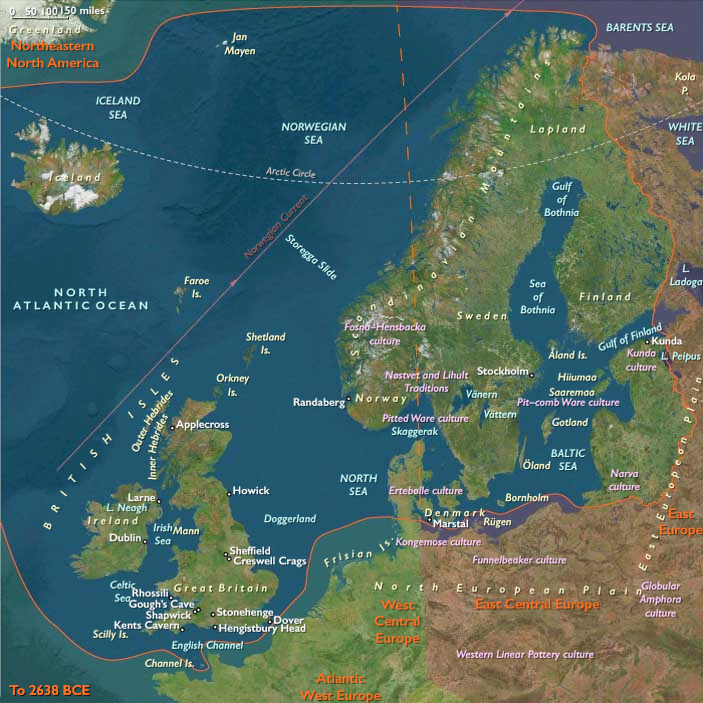
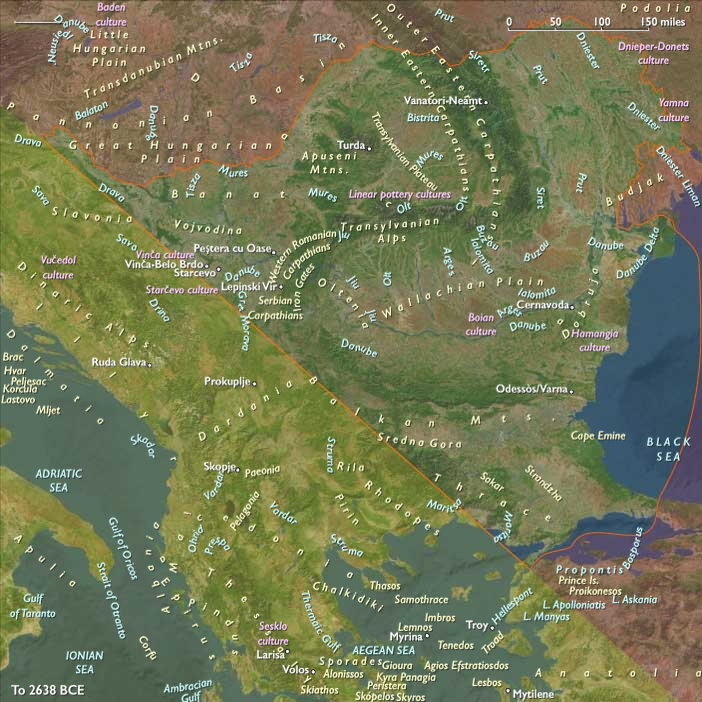
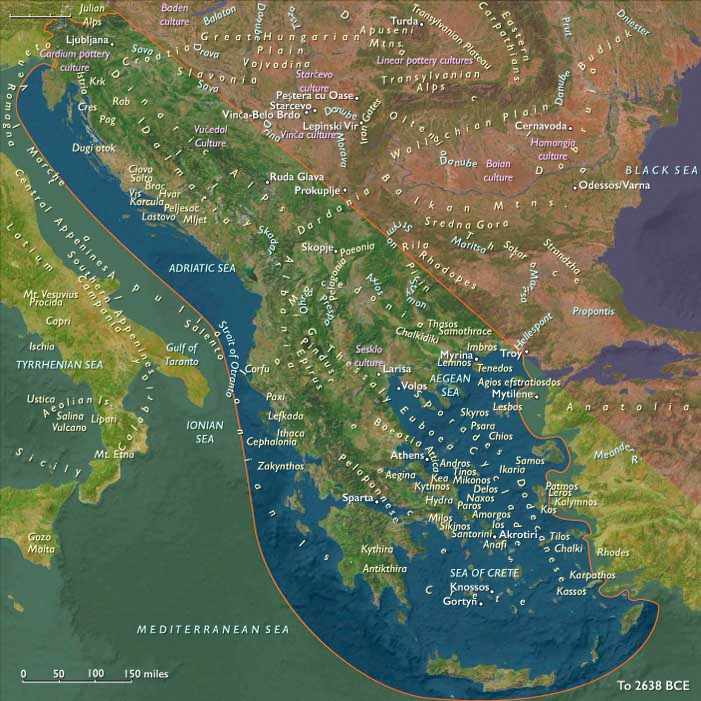
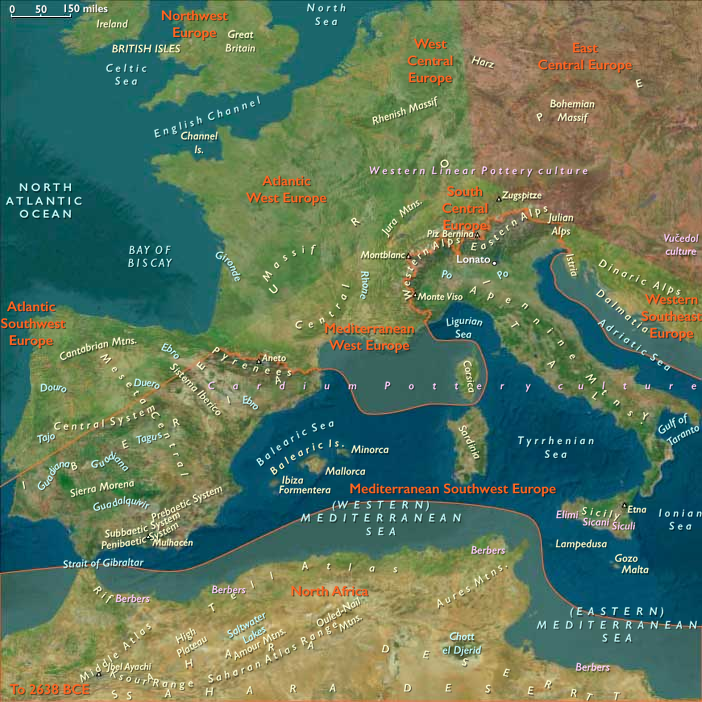
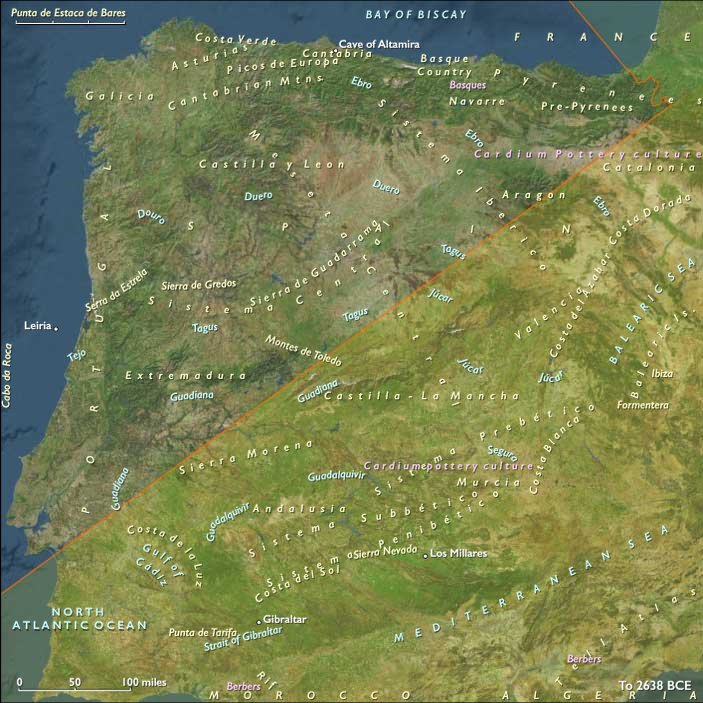
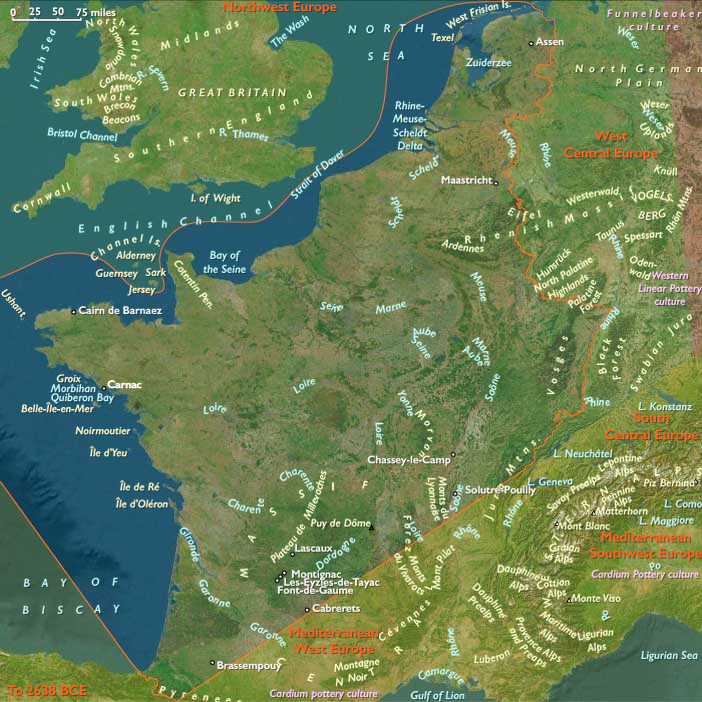
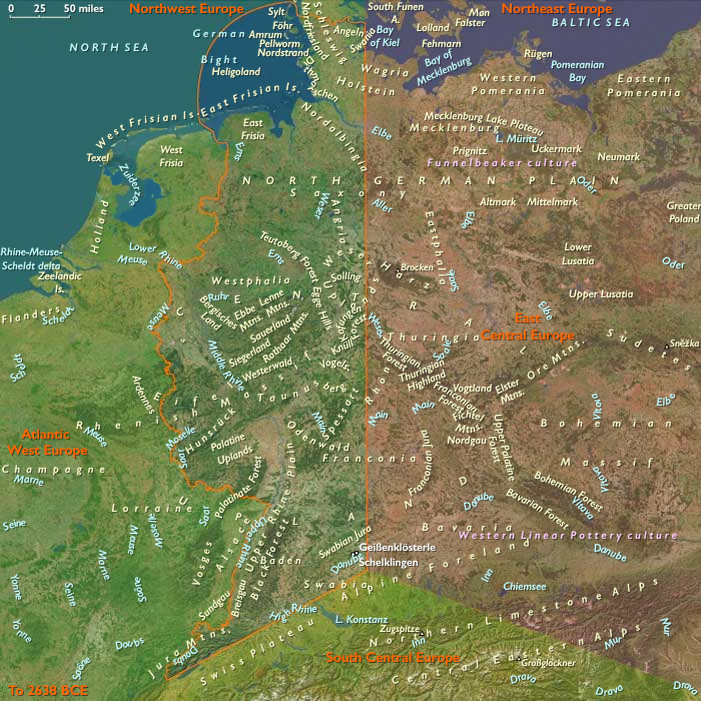
- Occurring within the Neolithic Subpluvial, the Younger Peron Transgression was a significant sea-level riseevent.
- By its peak, sea levels stood at approximately three meters above 20th-century levels, dramatically reshaping coastal landscapes.
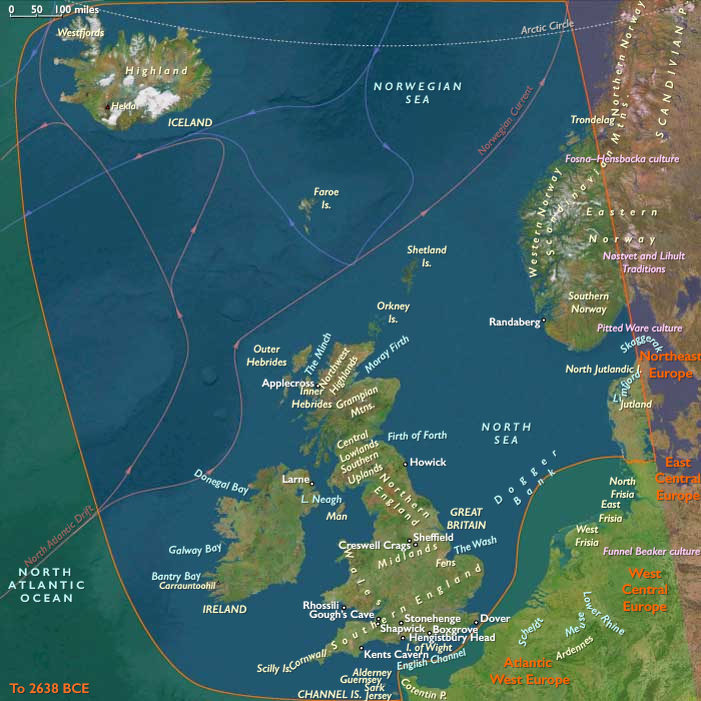
- This transgression transformed river valleys, estuaries, and coastal settlements, influencing human adaptation strategies.
Impact on Human Settlements and Societies
- Low-lying coastal settlements were inundated, forcing early farming and fishing communities to migrate inland or adapt to wetter environments.
- The formation of new estuaries, lagoons, and coastal wetlands may have encouraged fishing, shellfish gathering, and early maritime trade.
- Some cultures responded by constructing stilt houses and wooden trackways to navigate changing landscapes.
- The reworking of coastlines influenced cultural exchange networks, as communities adjusted to new trade routes.
A Climate of Transformation
- The Neolithic Subpluvial (also called the Holocene Climatic Optimum) was a warm and wet period, particularly affecting North Africa, where the Sahara remained fertile.
- These changing climatic and environmental conditions shaped the development of late Neolithic societies, as they adapted to fluctuating landscapes and resources.
The Younger Peron Transgression (4000–3400 BCE) thus played a critical role in shaping prehistoric coastal environments, influencing migration patterns, settlement strategies, and economic activities during the Neolithic expansion.
Topics
Commodoties
Subjects
- Commerce
- Environment
- Labor and Service
- Conflict
- Faith
- Government
- Technology
- Anthropology
- Archaeology
Regions
Subregions
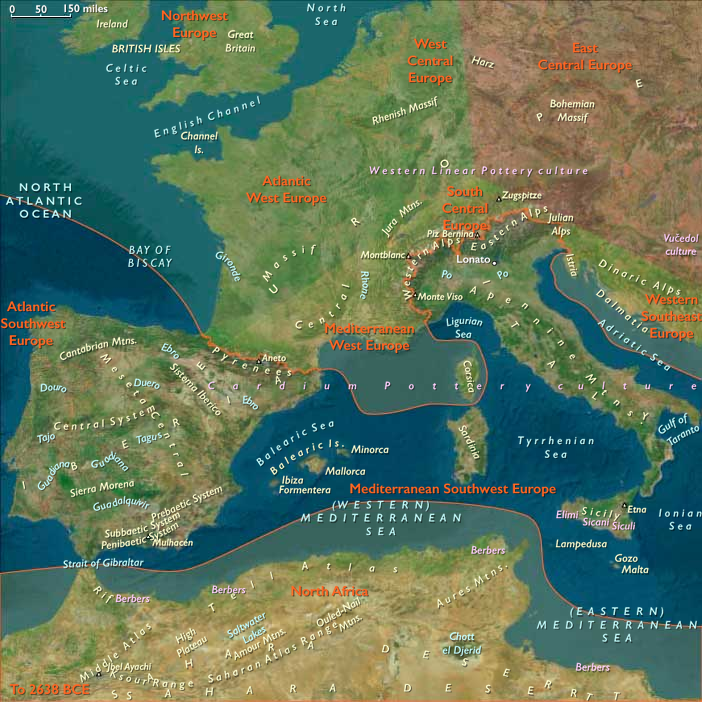
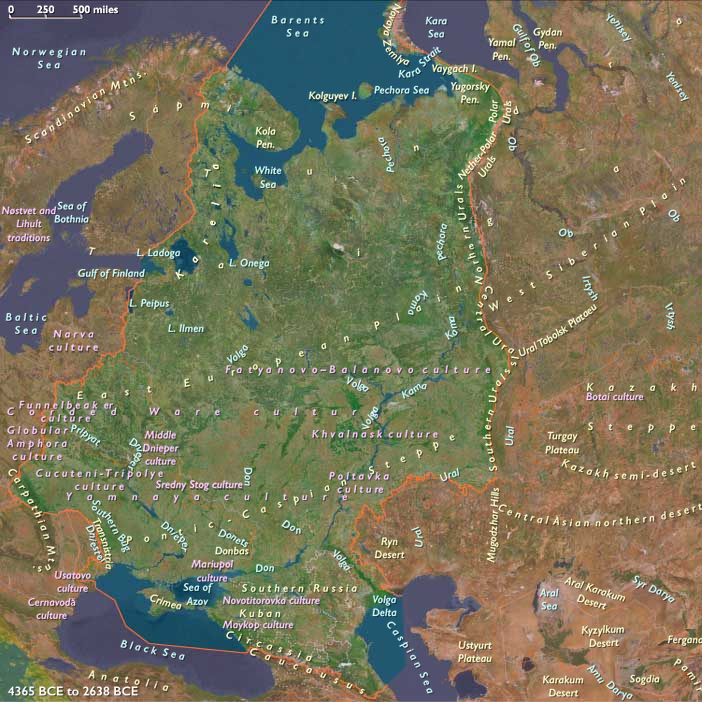
- East Europe
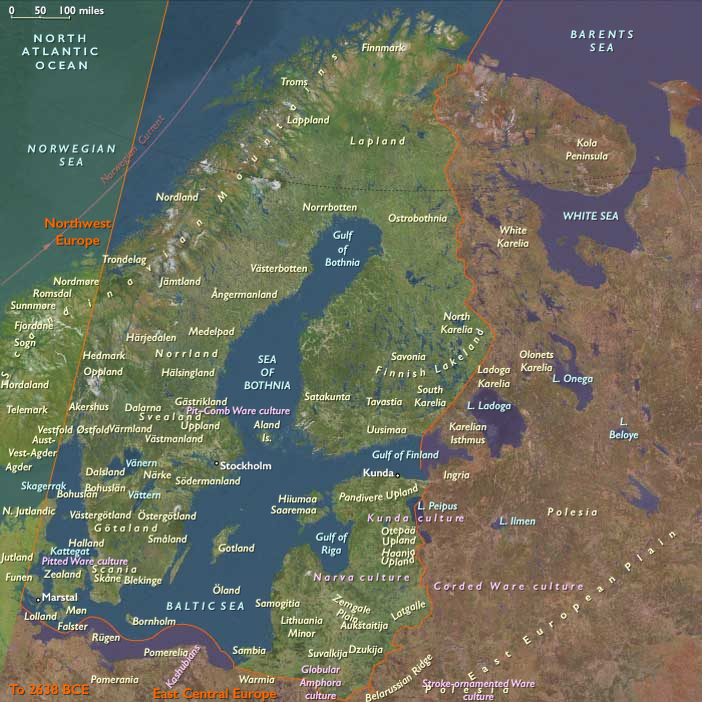
- Northeast Europe
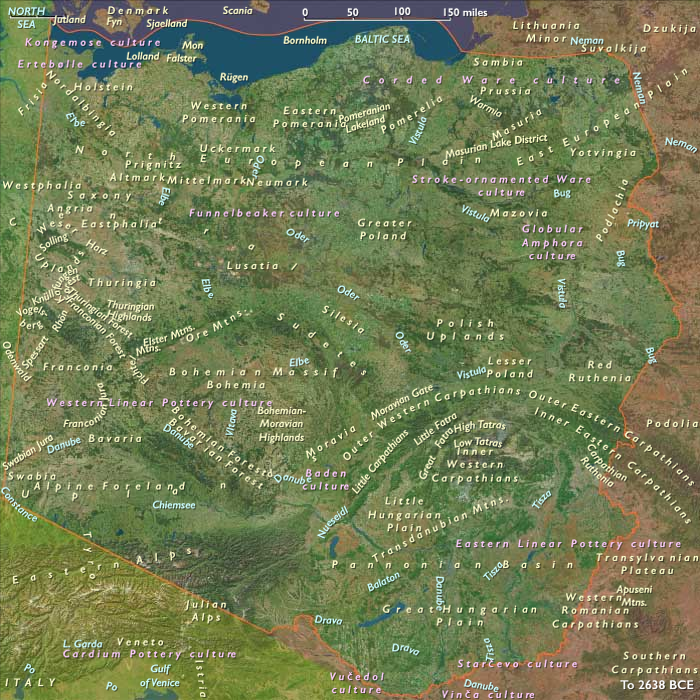
- East Central Europe
- Eastern Southeast Europe
- Western Southeast Europe
- South Central Europe
- Mediterranean West Europe
- Mediterranean Southwest Europe
- Atlantic Southwest Europe
- Atlantic West Europe
- West Central Europe
- Northwest Europe
Related Events
Showing 10 events out of 68829 total
Years: 4077BCE - 3934BCE
Topics
Commodoties
Subjects
- Commerce
- Environment
- Labor and Service
- Conflict
- Faith
- Government
- Technology
- Anthropology
- Archaeology
Regions
Subregions
- East Europe
- Northeast Europe
- East Central Europe
- Eastern Southeast Europe
- Western Southeast Europe
- South Central Europe
- Mediterranean West Europe
- Mediterranean Southwest Europe
- Atlantic Southwest Europe
- Atlantic West Europe
- West Central Europe
- Northwest Europe