
Alliances and Strategic Maneuvers in the Utrecht …
Years: 1482 - 1482
Alliances and Strategic Maneuvers in the Utrecht Conflict (1482–1483)
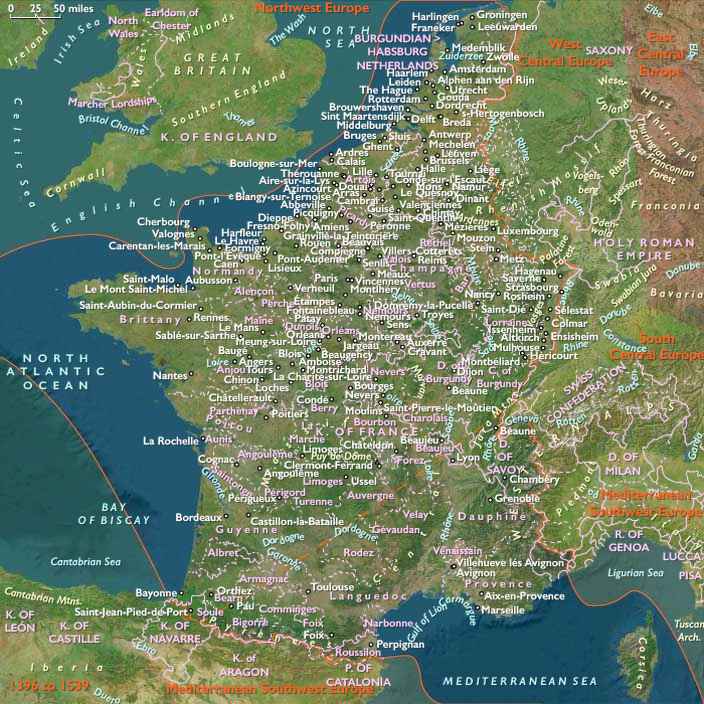
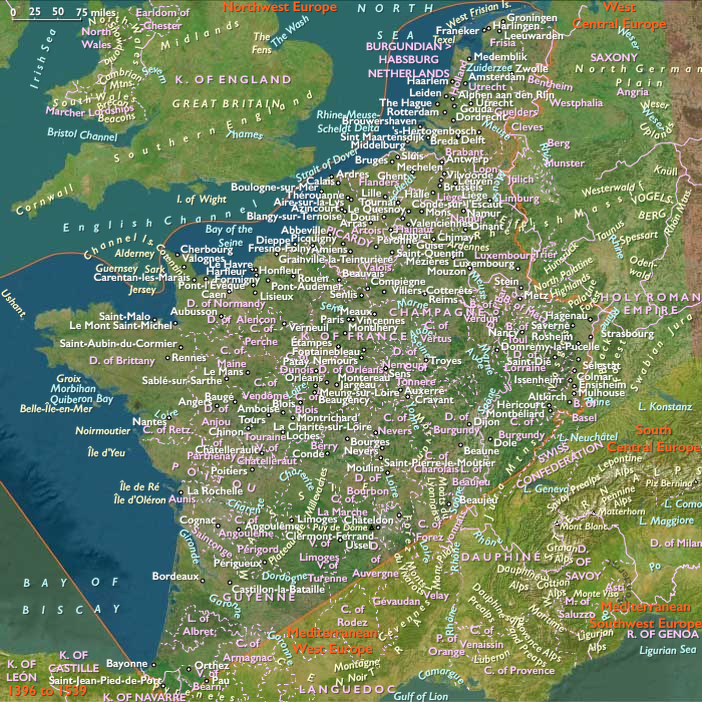
As the Second Utrecht Civil War intensified following the brutal massacre at Westbroek in December 1481, the Hooks of Utrecht, under the leadership of Viscount Jan III van Montfoort, recognized their vulnerable strategic position. Desperately seeking external support, the Hooks attempted to forge alliances, most notably with King Louis XI of France, the longstanding adversary of the Burgundian-Habsburg dynasty. However, these diplomatic overtures ultimately proved unsuccessful.
Diplomatic Attempts with France and Cleves
The Hooks' first significant diplomatic initiative targeted Louis XI of France, who had previously exploited Burgundian vulnerabilities to expand French influence. The Hooks hoped Louis would recognize an opportunity to weaken the young Archduke Maximilian I, regent of the Burgundian Netherlands. However, despite initial interest, Louis XI offered no substantial military or financial assistance to the Hooks, perhaps reluctant to overextend his resources or risk open confrontation with Maximilian’s growing Habsburg power.
With France proving unreliable, the Hooks turned cautiously to John I, Duke of Cleves, whose territorial ambitions in the region appeared compatible with the Hooks’ goals. The Duke, wary of overtly antagonizing Maximilian, supported the Hooks discreetly by sending his younger son, Engelbert of Cleves, to Utrecht. Engelbert, ambitious and politically astute, hoped to assume the bishopric himself, thereby indirectly bolstering the Hook faction's cause without explicitly committing Cleves to the conflict.
David of Burgundy and Burgundian Weakness
Meanwhile, Bishop David of Burgundy, isolated at his stronghold in Wijk bij Duurstede, was forced to rely primarily on his ally, Frederik of Egmont, and limited local resources. Maximilian’s ongoing war with France had severely restricted Habsburg ability to reinforce their Burgundian territories, leaving David and Egmont temporarily unsupported against the increasingly emboldened Hook alliance within Utrecht.
Restoration of Habsburg Military Support (1482–1483)
The strategic situation shifted decisively by the end of 1482, when Maximilian finally concluded peace with France, ending the drain on Habsburg military resources. Free to redirect attention to the Netherlands, Maximilian quickly dispatched reinforcements and fresh detachments of cavalry. These troops, bolstered by improved supply lines, began systematically isolating Utrecht, cutting off critical provisions and supplies, and severely weakening the city’s ability to sustain prolonged resistance.
Long-term Consequences
The failure of the Hooks to secure robust external alliances significantly compromised their strategic position. The cautious support from Cleves, insufficient to turn the conflict decisively, and the absence of concrete French assistance left Utrecht vulnerable once Maximilian resumed military operations. Ultimately, these unsuccessful diplomatic efforts contributed to the eventual defeat and suppression of the Hook cause, reinforcing Habsburg dominance and hastening the end of Utrecht's autonomy.
This sequence of diplomatic overtures and strategic failures vividly highlights the complexity of late medieval dynastic politics in Atlantic West Europe, illustrating how regional conflicts intersected deeply with broader geopolitical struggles, shaping the trajectory of early modern state formation in the region.
Locations
People
- David of Burgundy
- Engelbert II of Nassau
- Frederik of Egmont
- Jan III van Montfoort
- John I, Duke of Cleves
- Joost de Lalaing
- Louis XI of France
- Mary of Burgundy
- Maximilian I of
Groups
- Utrecht, Bishopric of
- Cleves, Duchy of
- Holland, County of
- Austria, Archduchy of
- France, (Valois) Kingdom of
- Holy Roman Empire
- Netherlands, Habsburg
Topics
Commodoties
Subjects
Regions
Subregions
Years: 1482 - 1482
Locations
People
- David of Burgundy
- Engelbert II of Nassau
- Frederik of Egmont
- Jan III van Montfoort
- John I, Duke of Cleves
- Joost de Lalaing
- Louis XI of France
- Mary of Burgundy
- Maximilian I of
Groups
- Utrecht, Bishopric of
- Cleves, Duchy of
- Holland, County of
- Austria, Archduchy of
- France, (Valois) Kingdom of
- Holy Roman Empire
- Netherlands, Habsburg
Topics
Commodoties
Subjects
Regions
Subregions