
The fundamental political issue in Romania is …
Years: 1923 - 1923
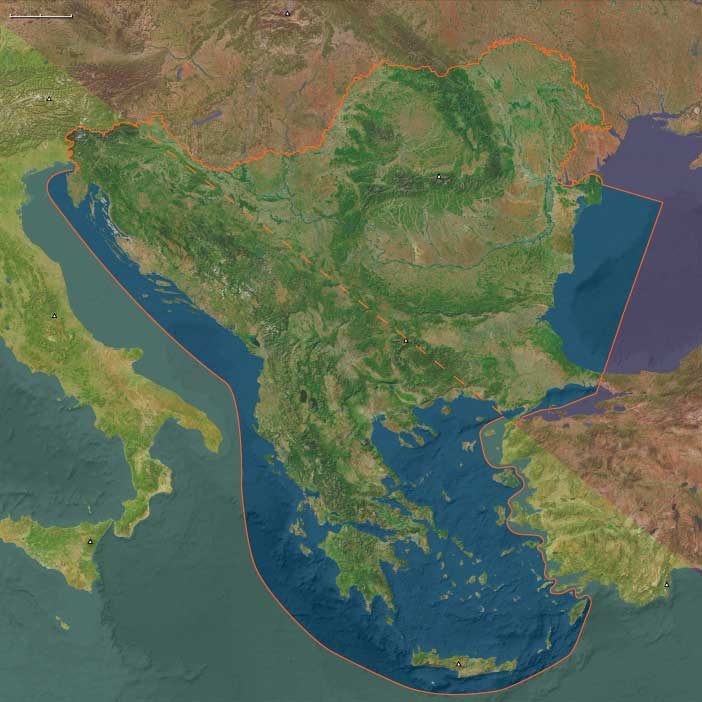
The fundamental political issue in Romania is the struggle between parliamentary government and authoritarianism.
The prospects for democracy seem bright, for the two strongest parties support representative institutions.
The Liberal Party, the dominant political force, sponsors a revision of the constitution in 1923 that protects middle-class political and economic values.
The new constitution provides for a highly centralized state.
A chamber of deputies and a senate make up the national legislature, and the king holds the power to appoint prime ministers.
The constitution grants males suffrage and equal political rights, eliminates the Romanian Orthodox Church's legal supremacy, gives Jews citizenship rights, prohibits foreigners from owning rural land, and provides for expropriation of rural property and nationalization of the country's oil and mineral wealth.
The constitution's liberal civil rights guarantees carry dubious force, however, and election laws allow political bosses to manipulate vote tallies easily.
The constitution enables Bucharest to dominate Transylvania's affairs, …
Locations
Groups
Commodoties
Subjects
Regions
Related Events
Showing 10 events out of 7098 total
Years: 1923 - 1923
Locations
Groups
Commodoties
Subjects
Regions