
Filters:
The Persecution of Jews During the Black …
Years: 1349 - 1349
The Persecution of Jews During the Black Death (1348–1351)
As the Black Death ravaged Europe between 1347 and 1351, it was accompanied by a wave of violent persecution against Jewish communities, fueled by false accusations that Jews had deliberately spread the plague. These attacks occurred throughout Spain, Italy, France, the Low Countries, and the Germanic lands, leading to massacres, forced conversions, and expulsions.
Scale of the Persecution
- Of the approximately 363 Jewish communities in Europe at the time, Jews faced violent attacks in nearly half.
- Many Jews lived in overcrowded, walled Jewish quarters, where they suffered from the plague at similar rates as their Christian neighbors.
- Nevertheless, conspiracy theories spread rapidly, blaming Jews for poisoning wells, contaminating the air, or plotting against Christians.
Massacres and Expulsions
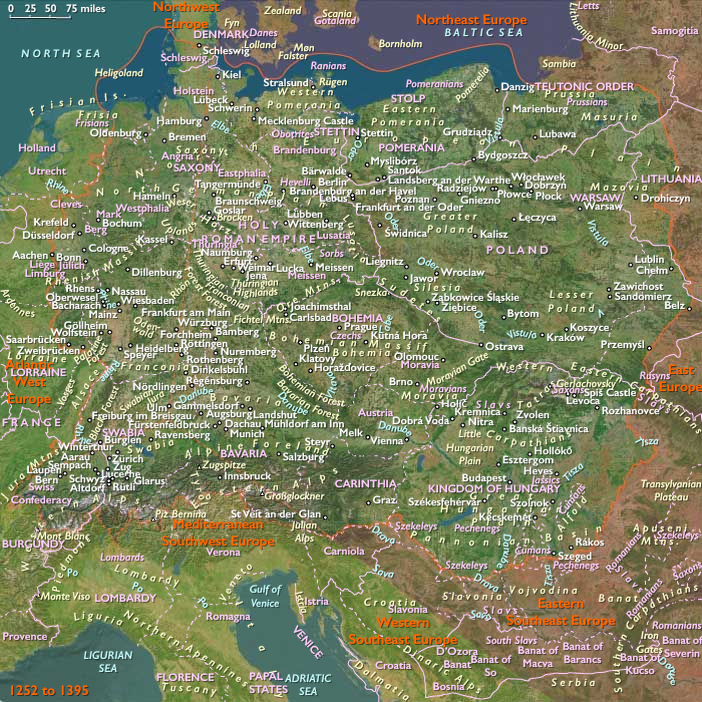
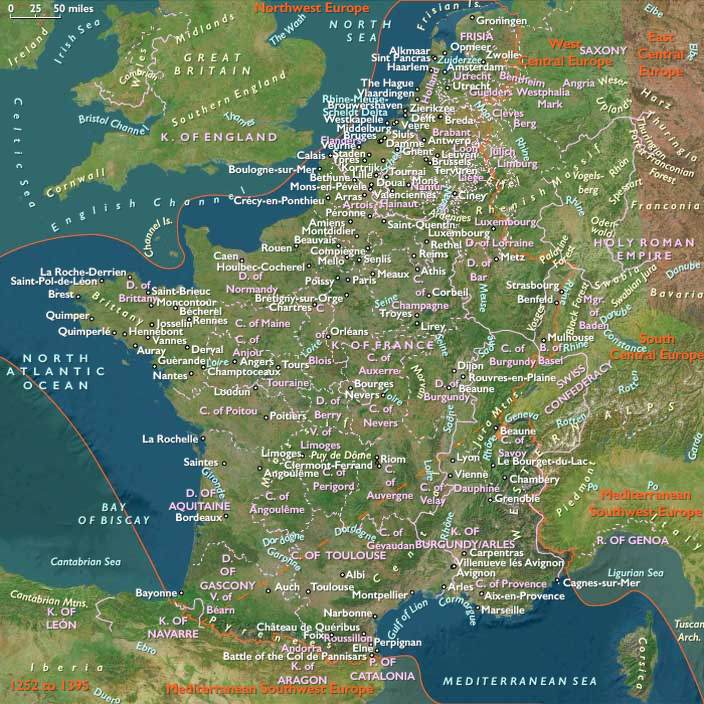
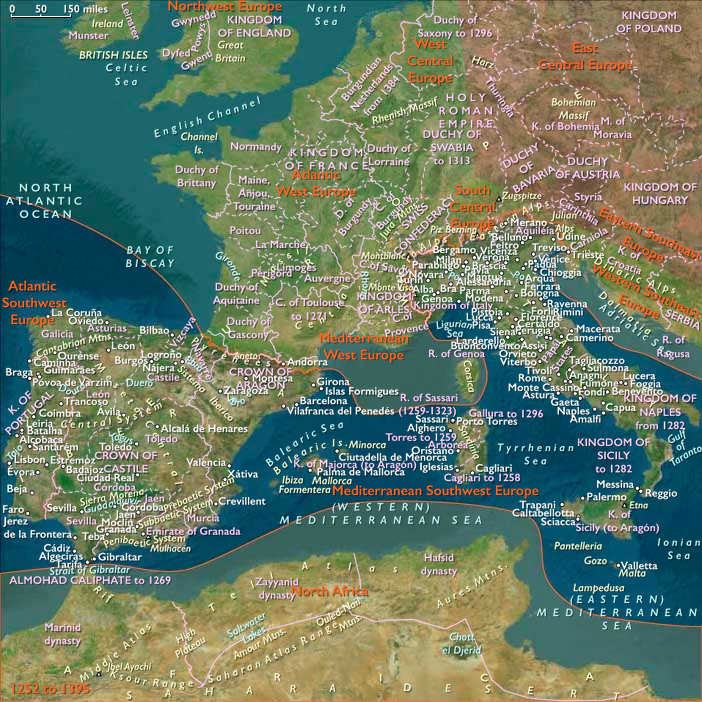
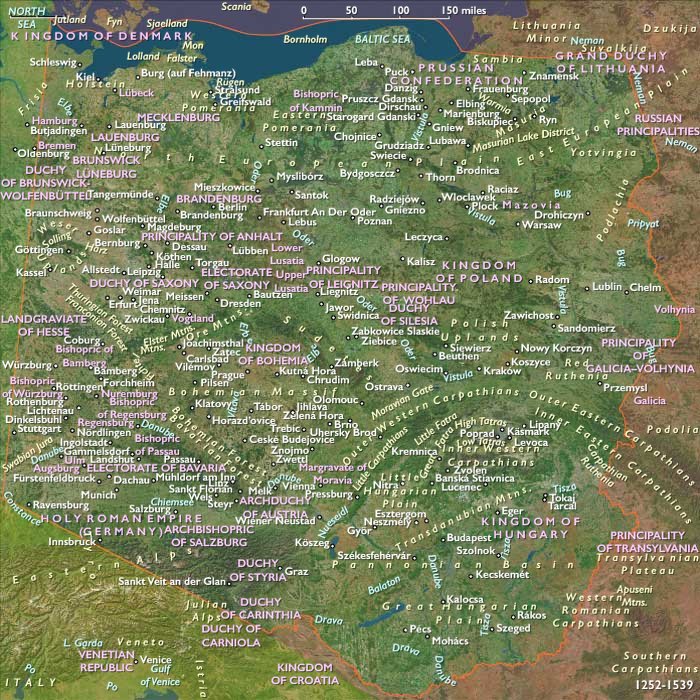
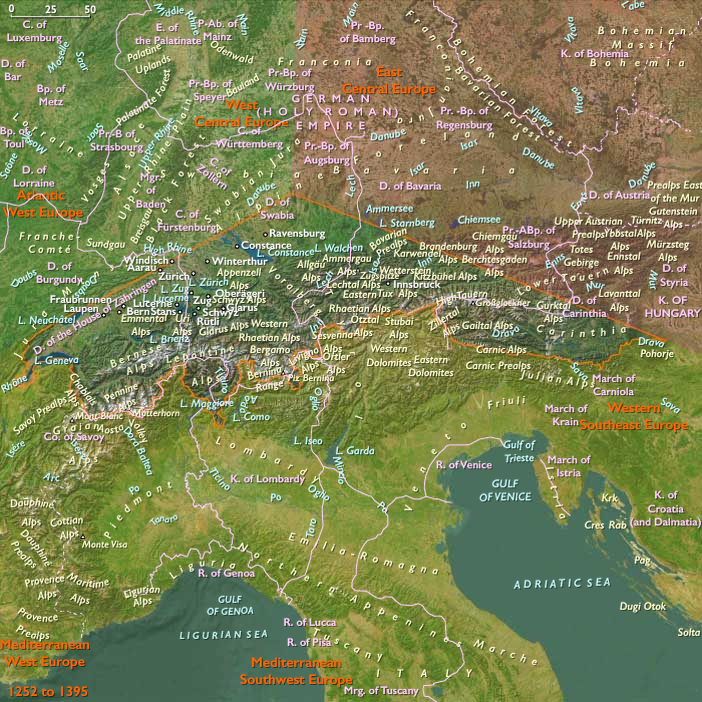
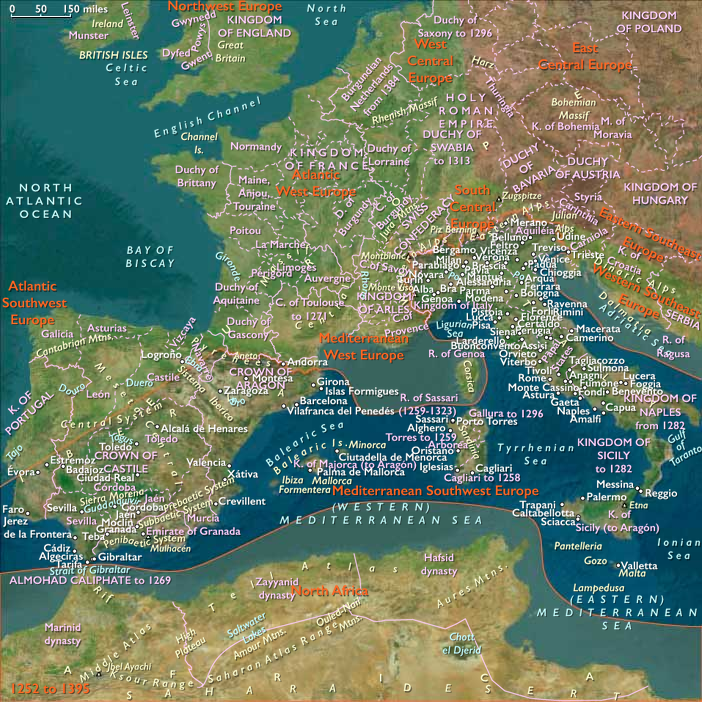
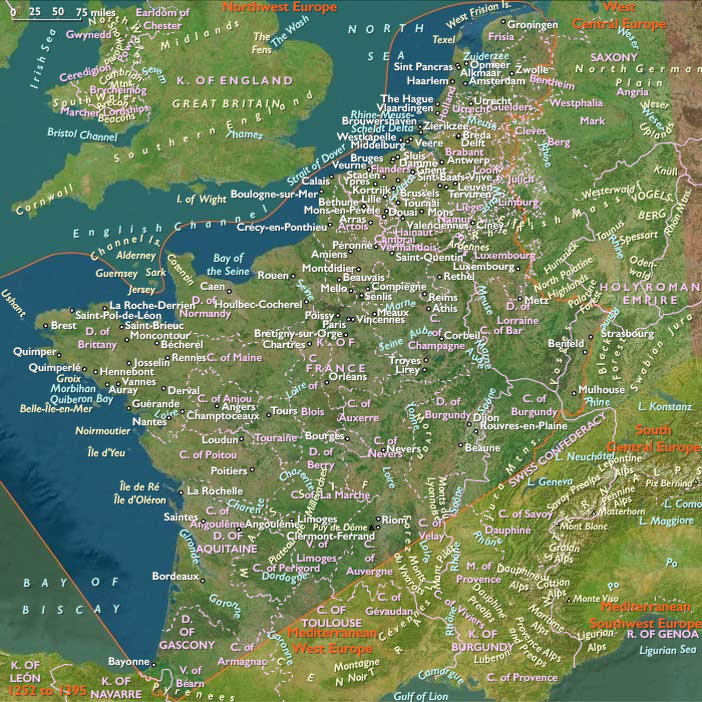
- In 1348–1349, massacres of Jews took place across Western and Central Europe, including:
- Barcelona and other Spanish cities
- Toulouse, Avignon, and other French towns
- Brussels and various towns in the Low Countries
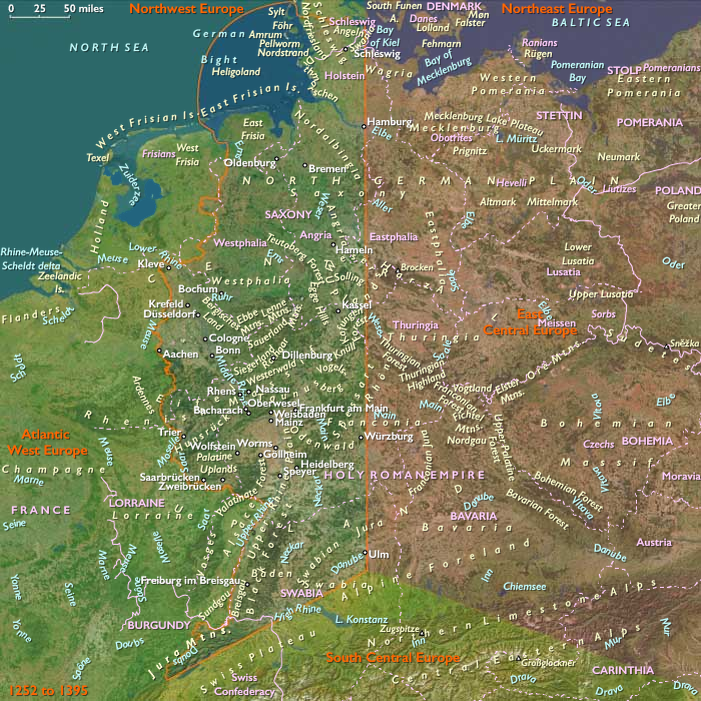
- Cologne, Frankfurt, Mainz, and other German cities
- Basel and Strasbourg (where entire Jewish communities were burned alive).
- Some rulers, such as Pope Clement VI, attempted to protect Jewish communities, issuing a papal bull condemning the accusations as false, but local authorities and mobs often ignored or defied his orders.
Heinrich Graetz’s Historical Perspective
- The 19th-century Jewish historian Heinrich Graetz, in History of the Jews (1894), described the widespread belief that Jews had poisoned wells to spread the plague, stating:
- “The suspicion arose that the Jews had poisoned the brooks and wells, and even the air, in order to annihilate the Christians of every country at one blow.”
- This false accusation, combined with existing antisemitic prejudice and economic tensions, led to one of the most devastating waves of persecution in Jewish medieval history.
Long-Term Consequences
- Many Jewish communities were annihilated, and survivors fled to Eastern Europe, particularly to Poland and Lithuania, where they were granted relative protection under more tolerant rulers.
- The massacres further entrenched antisemitic policies in many European states, reinforcing Jewish segregation, economic restrictions, and future expulsions.
- The social and economic losses caused by these persecutions weakened urban economies, as Jews had played key roles in finance, trade, and medicine.
The persecution of Jews during the Black Death remains one of the darkest episodes of medieval Europe, showcasing how fear, ignorance, and long-standing prejudices fueled mass violence and scapegoating in times of crisis.
Groups
- Jews
- Mainz, Electoral Archbishopric of
- Christians, Roman Catholic
- Holy Roman Empire
- Strasbourg, Imperial Free City of
- Cologne, Electorate of
Topics
Commodoties
Subjects
Regions
Subregions
- East Central Europe
- South Central Europe
- Mediterranean Southwest Europe
- Atlantic West Europe
- West Central Europe
Years: 1349 - 1349
Groups
- Jews
- Mainz, Electoral Archbishopric of
- Christians, Roman Catholic
- Holy Roman Empire
- Strasbourg, Imperial Free City of
- Cologne, Electorate of
Topics
Commodoties
Subjects
Regions
Subregions
- East Central Europe
- South Central Europe
- Mediterranean Southwest Europe
- Atlantic West Europe
- West Central Europe