
he Death of Dagobert I and the …
Years: 639 - 639
January
he Death of Dagobert I and the Division of the Frankish Kingdom (639 CE)
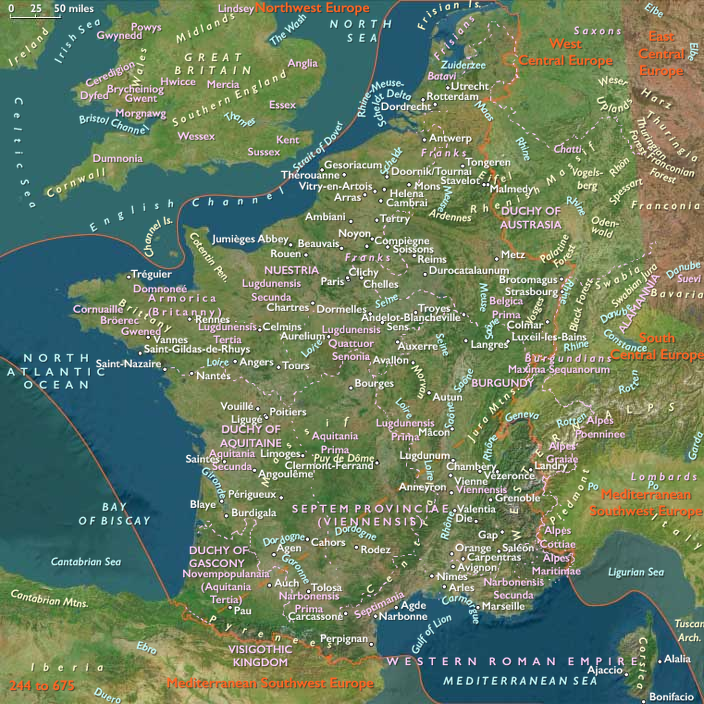
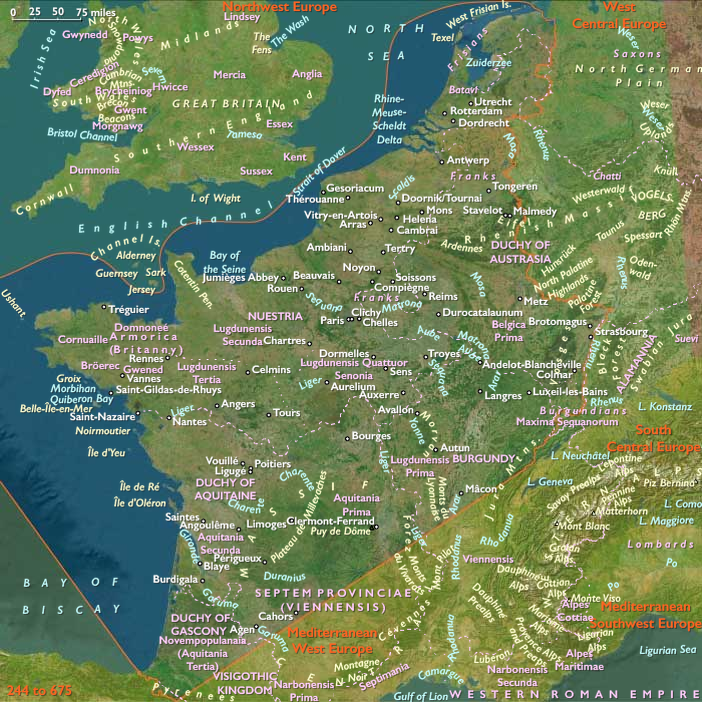
After a decade of prosperous rule, Dagobert I dies on January 17, 639 CE, marking the end of the last strong Merovingian king. His death results in the division of the Frankish realm between his two sons:
- Sigebert III becomes independent ruler of Austrasia.
- Clovis II, an infant at the time, inherits Neustria and Burgundy, with his mother, Queen Nanthild, serving as regent.
However, real power begins shifting away from the Merovingian kings. Under the leadership of Pepin of Landen, the Mayor of the Palace, the Frankish nobility starts to control royal affairs, setting the stage for the rise of the Mayors of the Palace as the true rulers of the Frankish realms.
1. The Division of the Frankish Kingdom
- The Merovingian custom of dividing the realm among heirs continues, with Dagobert’s death leading to a renewed partition of the Frankish world.
- Sigebert III rules Austrasia independently, marking the first clear instance of the Austrasian nobility exerting direct control over the kingdom.
- Clovis II inherits Neustria and Burgundy, but as he is still an infant, his mother, Queen Nanthild, governs as regent.
2. The Rise of Pepin of Landen and the Mayors of the Palace
- Pepin of Landen, the hereditary Mayor of the Palace of Austrasia, emerges as the true power behind the throne.
- He is instrumental in distributing the royal treasury among the two kings and Queen Nanthild, ensuring the nobility remains loyal to him.
- His control over Austrasia marks the beginning of the increasing dominance of the Mayors of the Palace, which will eventually lead to the Carolingian rise to power.
3. The Decline of Merovingian Royal Authority
- With both kings being minors, the actual governance of the Frankish kingdoms falls to their noble guardians, particularly Pepin in Austrasia and the Neustrian aristocracy under Nanthild.
- This shift weakens Merovingian kingship, accelerating the transition from monarchical rule to aristocratic control.
- The term “rois fainéants” (do-nothing kings) becomes increasingly applicable, as real authority now lies with the Mayors of the Palace.
Conclusion: The Turning Point in Frankish Power
Dagobert I’s death in 639 CE marks a critical shift in Merovingian rule, as power begins transitioning from the monarchy to the nobility. With Pepin of Landen consolidating influence in Austrasia and Queen Nanthild ruling as regent in Neustria, the role of the Mayors of the Palace becomes increasingly dominant, setting the stage for the eventual rise of the Carolingians.
Locations
People
Groups
Topics
Commodoties
Subjects
Regions
Subregions
Related Events
Showing 10 events out of 56588 total
Years: 639 - 639
January
Locations
People
Groups
Topics
Commodoties
Subjects
Regions
Subregions