
The Fourth Crusade and the Sack of …
Years: 1204 - 1215
The Fourth Crusade and the Sack of Constantinople (1204 CE): A Crusade Gone Astray
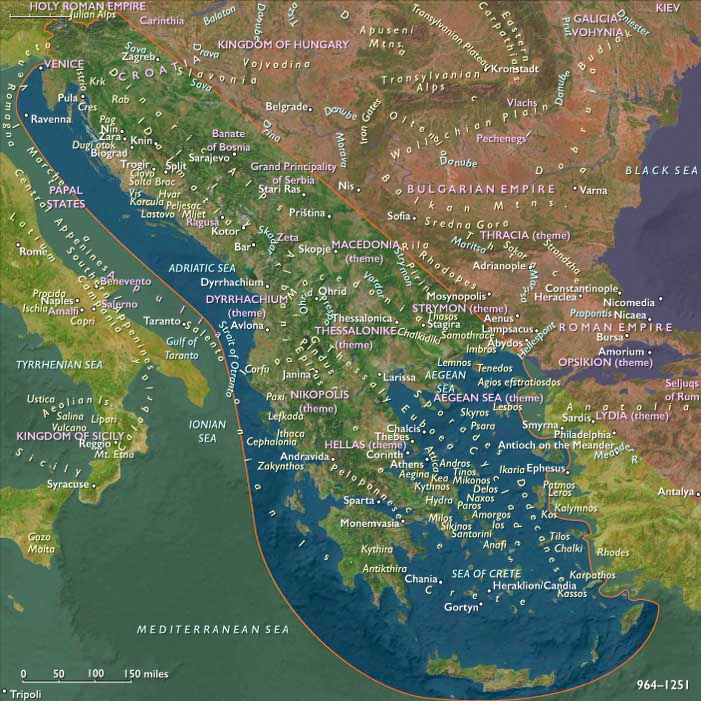
The Fourth Crusade (1202–1204) was originally intended to recapture Jerusalem by launching an invasion through Egypt, which had become the center of Ayyubid power after Saladin’s conquests. However, due to financial difficulties, Venetian manipulation, and internal rivalries, the Crusade was diverted and resulted in the shocking conquest of Constantinople, the capital of the Eastern Orthodox Byzantine Empire, in April 1204.
The Diversion to Constantinople
- The Crusaders had agreed to transport their forces by Venetian ships, but they lacked the funds to pay the Republic of Venice for their passage.
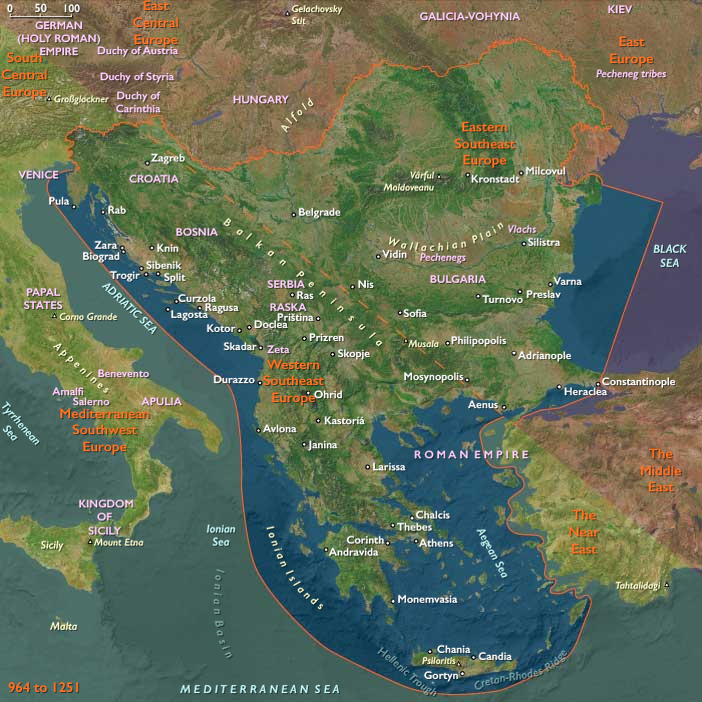
- The Venetians, led by Doge Enrico Dandolo, proposed that the Crusaders first attack the Christian city of Zara (Zadar), a rebellious Venetian vassal, in 1202 as payment.
- After sacking Zara, the Crusaders were approached by Alexios IV Angelos, the exiled Byzantine prince, who promised money and military support if the Crusaders helped restore him to the Byzantine throne.
- In 1203, the Crusaders installed Alexios IV as co-emperor, but he struggled to fulfill his promises, leading to a Byzantine backlash and his overthrow.
- The Crusaders, now angry and unpaid, turned against Constantinople itself.
The Sack of Constantinople (April 1204)
- On April 12, 1204, the Crusaders breached Constantinople’s walls and looted the city.
- Churches, palaces, and homes were ransacked, and priceless relics and artworks were either stolen or destroyed.
- The Hagia Sophia, the great cathedral of Eastern Christianity, was desecrated, with Crusaders looting its treasures and placing a prostitute on the patriarch’s throne.
- Thousands of Byzantine civilians were slaughtered, and the city was set ablaze, leading to irreparable damage to one of the greatest cities of Christendom.
- The treasures of Constantinople, including the Horses of Saint Mark, were taken back to Venice and Western Europe.
Consequences of the Sack
-
The Final Blow to the Great Schism (1054)
- The destruction of Constantinople by fellow Christians marked the point of no return in the East-West Schism between the Orthodox and Catholic Churches.
- The Byzantines never forgave the Latin West, creating a permanent rift between the two Christian traditions.
-
The Establishment of the Latin Empire (1204–1261)
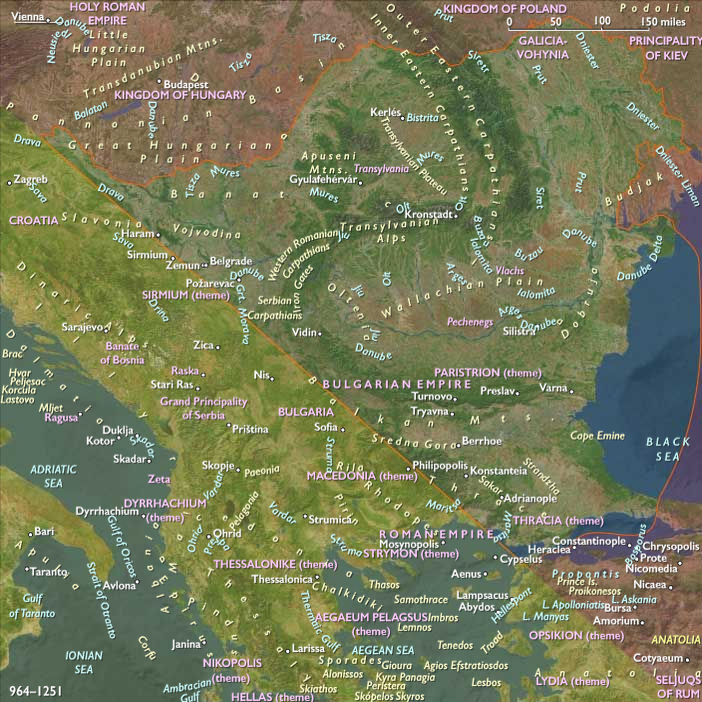
- The Crusaders dismantled the Byzantine Empire, establishing the Latin Empire of Constantinople, which lasted until 1261, when the Byzantines reclaimed the city.
- The Greek world was fractured, with remnants of the Byzantine aristocracy fleeing to Nicaea, Epirus, and Trebizond, from where they would eventually reconquer the city.
-
Venice and Western Europe Profited Immensely
- Venice, in particular, benefited greatly, taking control of key trade routes and territories in the Aegean and Eastern Mediterranean.
- Many Western feudal lords gained new fiefs, ruling over Greek-speaking Orthodox Christians.
A Crusade of Betrayal
The Fourth Crusade, originally meant to retake Jerusalem, instead became a catastrophic betrayal of Christendom itself, ending in one of the most infamous sacks in history.
The fall of Constantinople in 1204 is widely regarded as one of the darkest episodes of the Crusades, strengthening divisions between East and West and leaving the Byzantine Empire permanently weakened until its final fall to the Ottoman Turks in 1453.
People
Groups
- Greeks, Medieval (Byzantines)
- Papal States (Republic of St. Peter)
- Flemish people
- Flanders, County of
- French people (Latins)
- France, (Capetian) Kingdom of
- Christians, Roman Catholic
- Christians, Eastern Orthodox
- Venice, (Most Serene) Republic of
- Roman Empire, Eastern: Angelid dynasty
- Latin Empire of Constantinople (“Romania”)
Topics
Subjects
Regions

Subregions
- Eastern Southeast Europe
- Western Southeast Europe
- Mediterranean West Europe
- Mediterranean Southwest Europe
- Atlantic West Europe
Years: 1204 - 1215
People
Groups
- Greeks, Medieval (Byzantines)
- Papal States (Republic of St. Peter)
- Flemish people
- Flanders, County of
- French people (Latins)
- France, (Capetian) Kingdom of
- Christians, Roman Catholic
- Christians, Eastern Orthodox
- Venice, (Most Serene) Republic of
- Roman Empire, Eastern: Angelid dynasty
- Latin Empire of Constantinople (“Romania”)
Topics
Subjects
Regions
Subregions
- Eastern Southeast Europe
- Western Southeast Europe
- Mediterranean West Europe
- Mediterranean Southwest Europe
- Atlantic West Europe