
The four independent bands of the Caddoan-speaking …
Years: 1683 - 1827
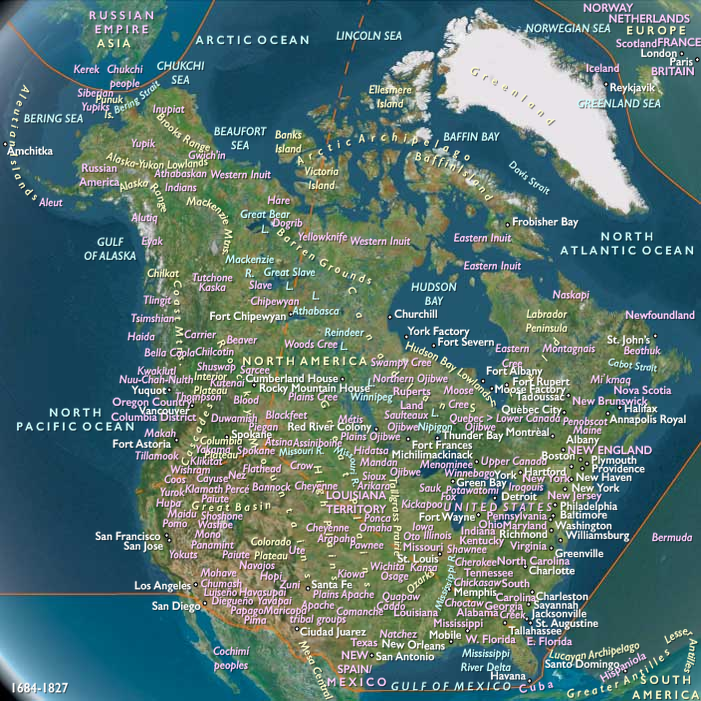
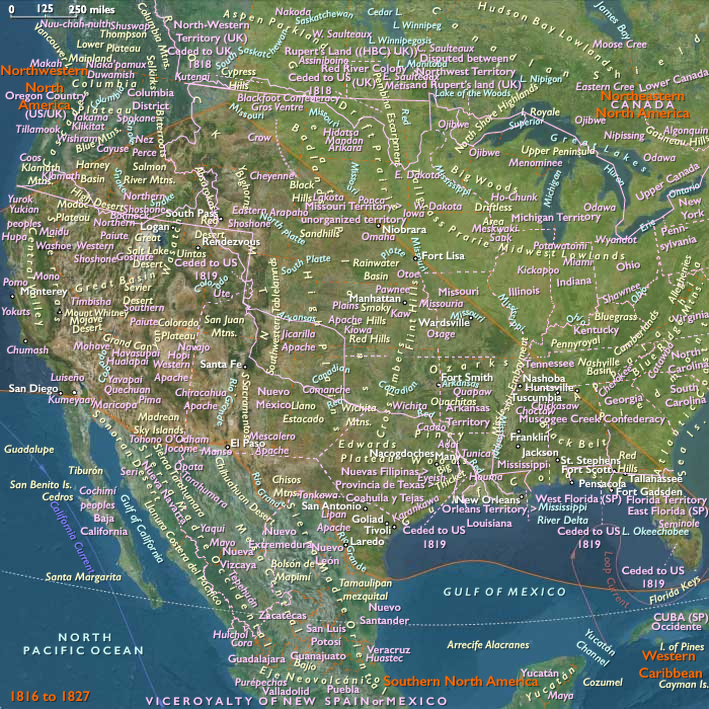
The four independent bands of the Caddoan-speaking Pawnee established villages of large, earth lodge dwellings adjacent to their maize fields along the Platte River in present-day Nebraska during the historic period. Their seasonal cycle alternated between agricultural work in permanent villages and semi-annual migrations to hunt Plains bison herds, with sophisticated food storage systems ensuring year-round sustenance.
The name "Pawnee" may derive from various sources, possibly including Siouan terms, though its exact etymology remains debated among scholars. The Pawnee called themselves "Chahiksichahiks" or similar variants, meaning approximately "men of men."
Pawnee religious life centered on a complex star-based cosmology directed by an organized priesthood. Their spiritual system taught that cosmic forces, particularly stellar bodies, governed earthly affairs, with village chiefs receiving guidance from specific celestial patrons who provided sacred bundles containing ritual objects.
Among their many ceremonies was the Morning Star ritual, a sacred practice of profound religious significance that involved human sacrifice and was connected to their creation beliefs and agricultural renewal. This ceremony reflected deep theological concepts about reciprocity with cosmic forces, though it generated internal debate among the Pawnee themselves and would be discontinued by the mid-19th century as part of broader cultural changes during the colonial period.
By the 1870s, pressure from U.S. authorities and cultural transformation would lead to the Pawnee's removal from their ancestral Nebraska homeland to reservations in Indian Territory (present-day Oklahoma).
Locations
People
Groups
Topics
Commodoties
Subjects
Regions
Subregions
Related Events
Showing 10 events out of 30261 total
Years: 1683 - 1827
Locations
People
Groups
Topics
Commodoties
Subjects
Regions
Subregions