
The fortress of Karlovac, located southwest of …
Years: 1579 - 1579
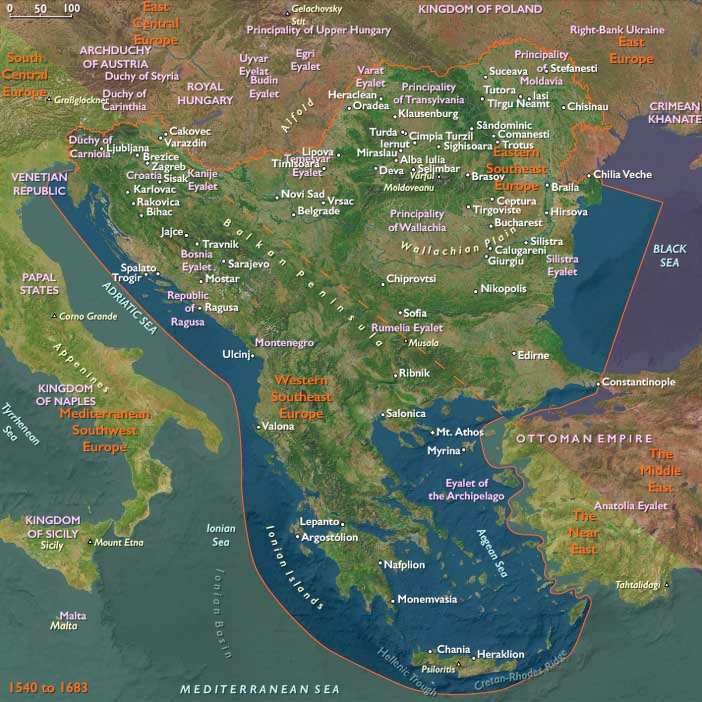
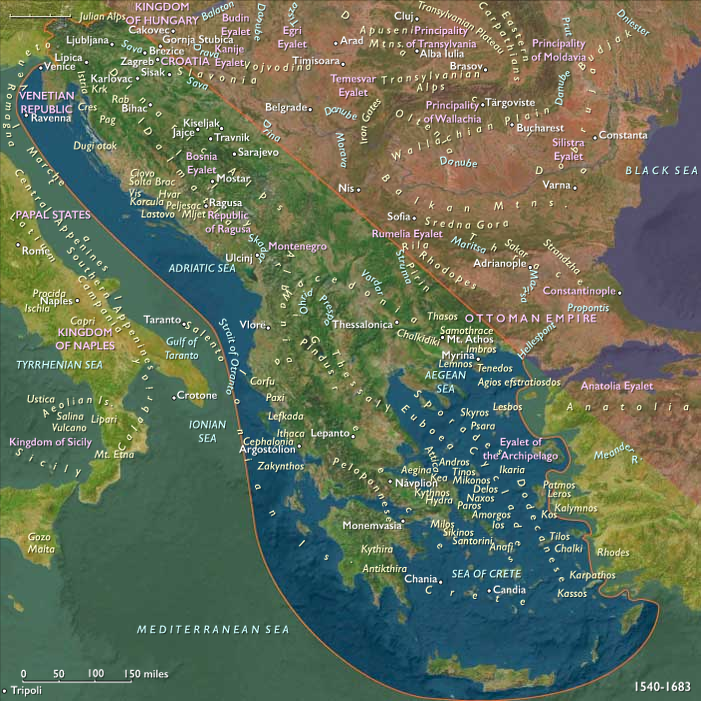
The fortress of Karlovac, located southwest of Zagreb at the confluence of the Korana and Kupa rivers and built in 1579 to stem the advance of the Turks, is named for the Habsburg archduke Charles, the first commander of the military frontier against the Turks.
Locations
People
Groups
- Austria, Archduchy of
- Ottoman Empire
- Habsburg Monarchy, or Empire
- Croatia, (Habsburg) Kingdom of
- Croatian Krajina (Military Frontier)
Subjects
Regions
Subregions
Related Events
Showing 10 events out of 35012 total
Years: 1579 - 1579
Locations
People
Groups
- Austria, Archduchy of
- Ottoman Empire
- Habsburg Monarchy, or Empire
- Croatia, (Habsburg) Kingdom of
- Croatian Krajina (Military Frontier)
Subjects
Regions
Subregions