
The forces of the new imperial strategos …
Years: 915 - 915
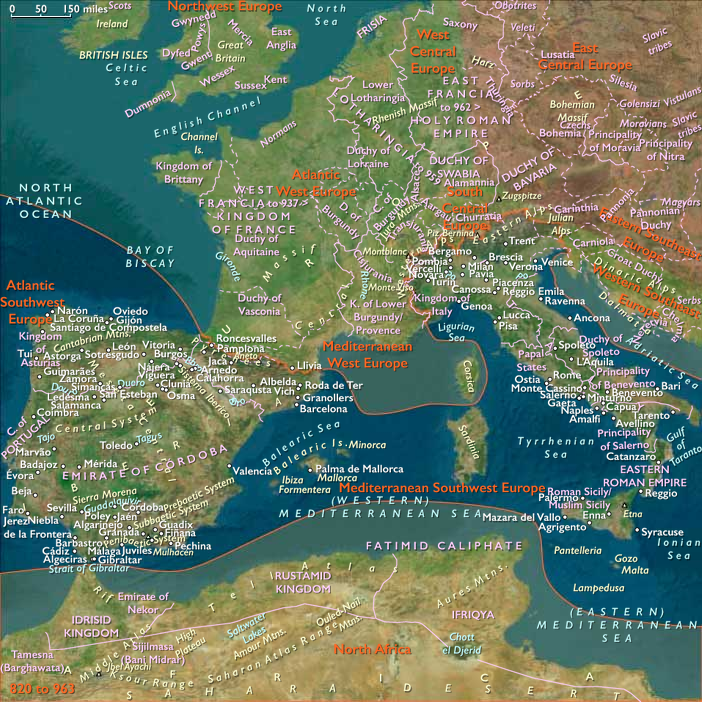
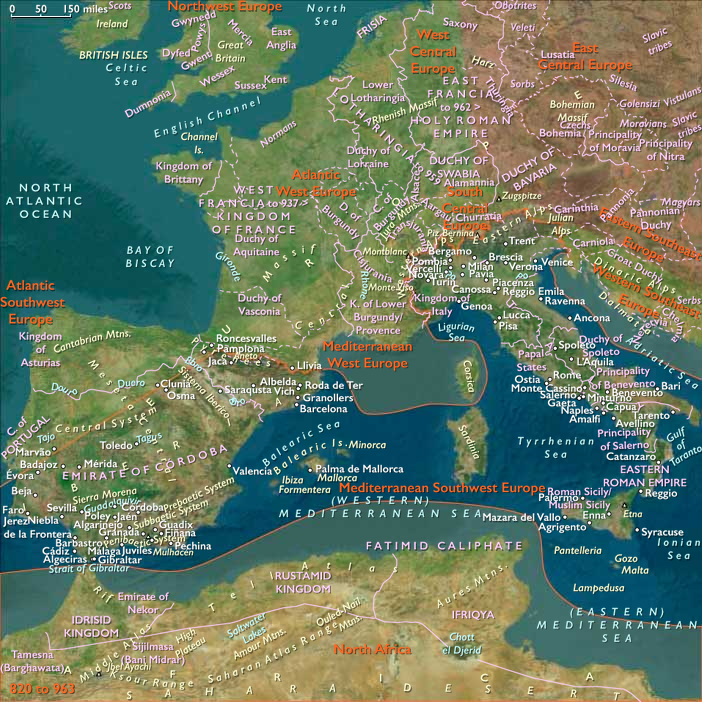
The forces of the new imperial strategos of Bari, Nicholas Picingli, join those of various other south Italian princes of Lombard or Greek extraction: Landulf I of Benevento, John I and his son Docibilis II of Gaeta, Gregory IV and John II of Naples, and Guaimar II of Salerno.
Meanwhile, Berengar brings with him troops from the northern parts of Italy, and the campaign is coordinated by John X, who takes to the field in person, alongside Duke Alberic I of Spoleto.
After some preliminary engagements at Campo Baccano and at Trevi, the Saracens are driven to their stronghold on the Garigliano.
Here, at the Battle of Garigliano, the allies proceed to lay siege to them for three months, at the end of which the Saracens burn their houses and attempt to burst out of the encirclement.
With Pope John leading the way, all are eventually caught and killed, achieving a great victory and removing the ongoing Saracen threat from the Italian mainland.
John then confirms the granting of Traetto to John I of Gaeta, as a reward for abandoning his Saracen allies.
John of Gaeta can expand his duchy to the Garigliano, and receives the title of patricius from Constantinople, leading his family to proclaim themselves "dukes", while Alberic's prestige after the victorious battle grants him a preeminent role in the future history of Rome.
Locations
People
- Alberic I of Spoleto
- Berengar I of Italy
- Docibilis II
- Gregory IV of Naples
- Guaimar II of Salerno
- John I of Gaeta
- John II, Duke of Naples
- Landulf I
- Louis the Blind
- Marozia
- Nicholas Picingli
- Pope John X
- Theophylact I
Groups
- Franks
- Lombards (West Germanic tribe)
- Christianity, Chalcedonian
- Greeks, Medieval (Byzantines)
- Islam
- Sorrento, Duchy of
- Naples, Duchy of
- Saracens
- Gaeta, Republic of
- Papal States (Republic of St. Peter)
- Italy, Carolingian Kingdom of
- Salerno, Lombard Principality of
- Roman Empire, Eastern: Macedonian dynasty
- Capua-Benevento, Lombard Principality of
- Ifriqiya, Fatimid Caliphate of
- Longobardia, Theme of
Topics
Commodoties
Subjects
Regions
Subregions
Related Events
Showing 10 events out of 53358 total
Years: 915 - 915
Locations
People
- Alberic I of Spoleto
- Berengar I of Italy
- Docibilis II
- Gregory IV of Naples
- Guaimar II of Salerno
- John I of Gaeta
- John II, Duke of Naples
- Landulf I
- Louis the Blind
- Marozia
- Nicholas Picingli
- Pope John X
- Theophylact I
Groups
- Franks
- Lombards (West Germanic tribe)
- Christianity, Chalcedonian
- Greeks, Medieval (Byzantines)
- Islam
- Sorrento, Duchy of
- Naples, Duchy of
- Saracens
- Gaeta, Republic of
- Papal States (Republic of St. Peter)
- Italy, Carolingian Kingdom of
- Salerno, Lombard Principality of
- Roman Empire, Eastern: Macedonian dynasty
- Capua-Benevento, Lombard Principality of
- Ifriqiya, Fatimid Caliphate of
- Longobardia, Theme of
Topics
Commodoties
Subjects
Regions
Subregions