
The first two decades of French rule …
Years: 1886 - 1886
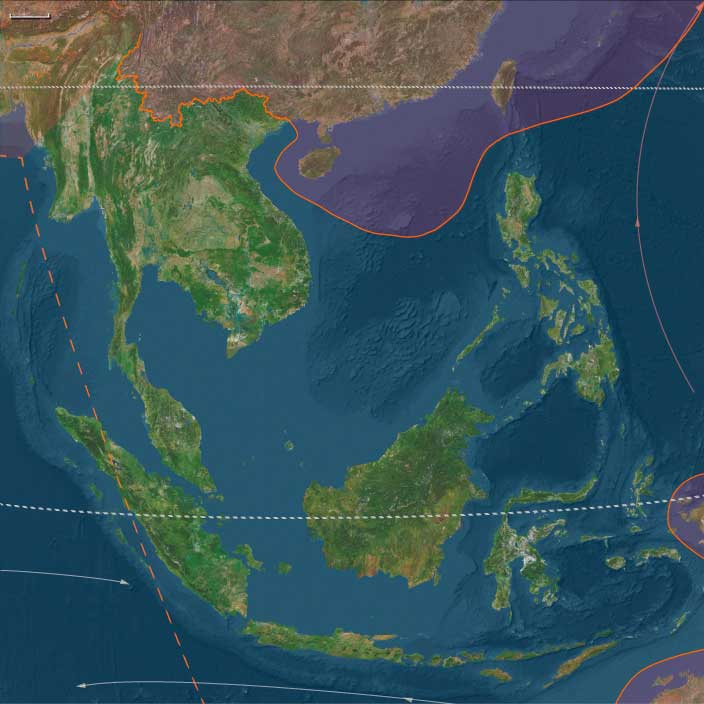
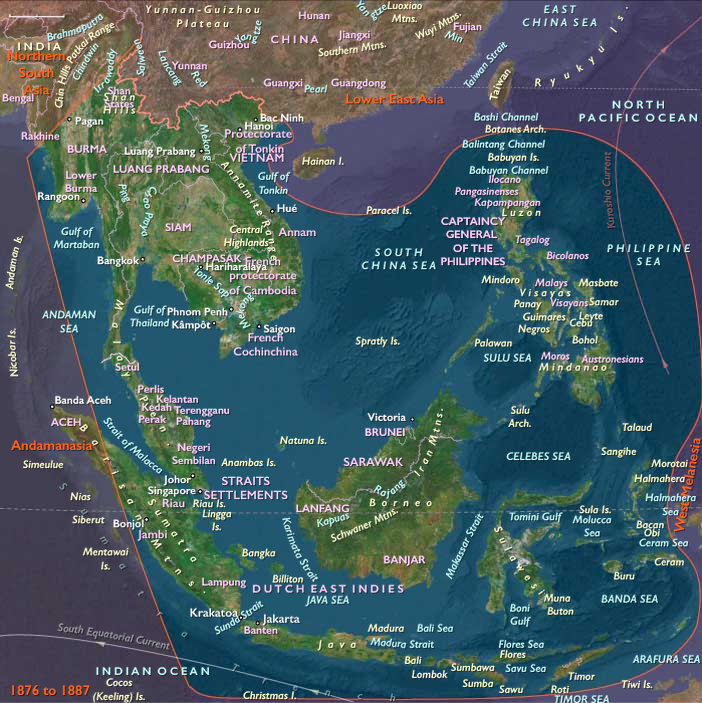
The first two decades of French rule in Cambodia have included numerous reforms into Cambodian politics, such as the reduction of the monarch's power and abolition of slavery.
The governor of Cochinchina, Charles Anthoine François Thomson, had attempted to overthrow the monarch in 1884, and establish full French control over Cambodia by sending a small force to the royal palace in Phnom Penh.
The movement is only slightly successful as the first governor-general of French Indochina, who will assume office in 1887 on the creation of that polity, will prevent full colonization due to possible conflicts with Cambodians.
The monarch's power is further reduced, however, to that of a figurehead.
In 1885, Si Votha, half brother of Norodom and contender for the throne, had launched a rebellion to dispose of the French-backed Norodom after coming back from exile in Siam.
Gathering support from opposition to Norodom and the French, Si Votha’s rebellion is primarily concentrated in the jungles of Cambodia and the city of Kampot.
Locations
People
Groups
- French Cochinchina
- British Raj; India (Indian Empire)
- Cambodia, French protectorate of
- France (French republic); the Third Republic
Topics
Commodoties
Subjects
Regions
Subregions
Related Events
Showing 10 events out of 10921 total
Years: 1886 - 1886
Locations
People
Groups
- French Cochinchina
- British Raj; India (Indian Empire)
- Cambodia, French protectorate of
- France (French republic); the Third Republic
Topics
Commodoties
Subjects
Regions
Subregions