
The First Recorded Money-Prize Lotteries in the …
Years: 1445 - 1445
May
The First Recorded Money-Prize Lotteries in the Low Countries (1445)
In the mid-fifteenth century, towns in the Low Countries introduced the earliest documented public lotteries in European history, in which tickets were sold publicly, and monetary prizes were awarded. These lotteries served practical civic purposes, notably financing urban infrastructure projects such as fortifications and city walls, essential for defense and civic pride amid ongoing regional conflicts.
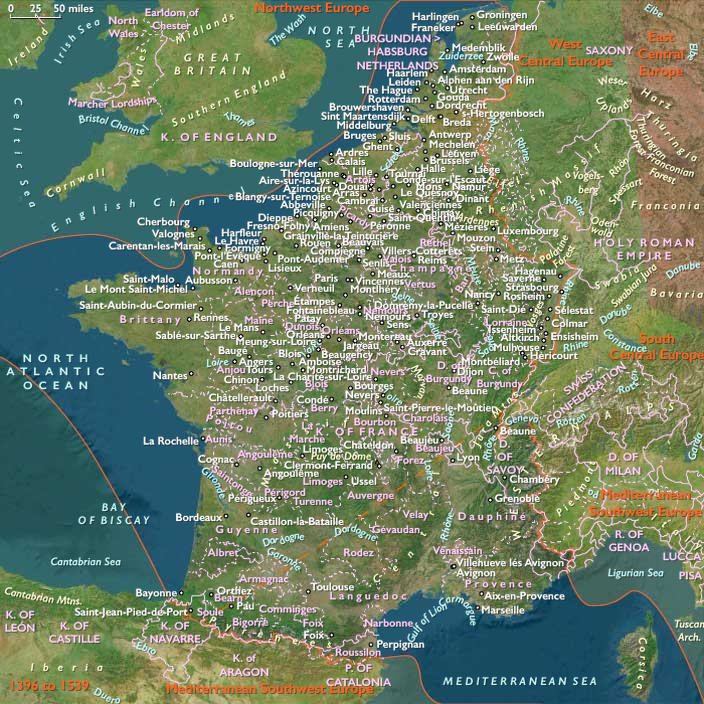
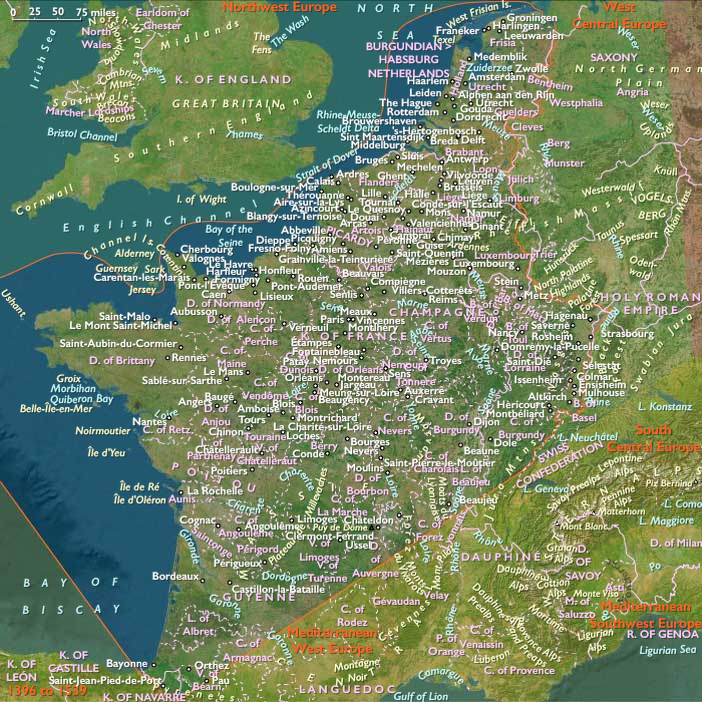
A notable example occurred in 1445 at L'Ecluse (now Sluis, Netherlands), where a documented lottery was held explicitly to finance the construction and strengthening of the town’s fortifications. This lottery involved the sale of 4,304 tickets, offering monetary prizes totaling 1,737 florins—an amount roughly equivalent to approximately 170,000 US dollars in contemporary value. This lottery represents one of the earliest known instances of organized monetary prize lotteries in Europe.
The emergence of lotteries in the Low Countries reflected broader patterns of economic innovation and civic organization characteristic of the region during the fifteenth century. They also mark a significant moment in social and financial history, signaling an early shift toward public financing mechanisms that would later spread throughout Europe and beyond. Town lotteries quickly became an accepted and efficient method of raising funds for public works and charitable causes, laying important groundwork for modern state and municipal finance systems.
Locations
Groups
Subjects
Regions
Subregions
Years: 1445 - 1445
May
Locations
Groups
Subjects
Regions
Subregions