
During the reign of Emperor Fasilides …
Years: 1658 - 1669
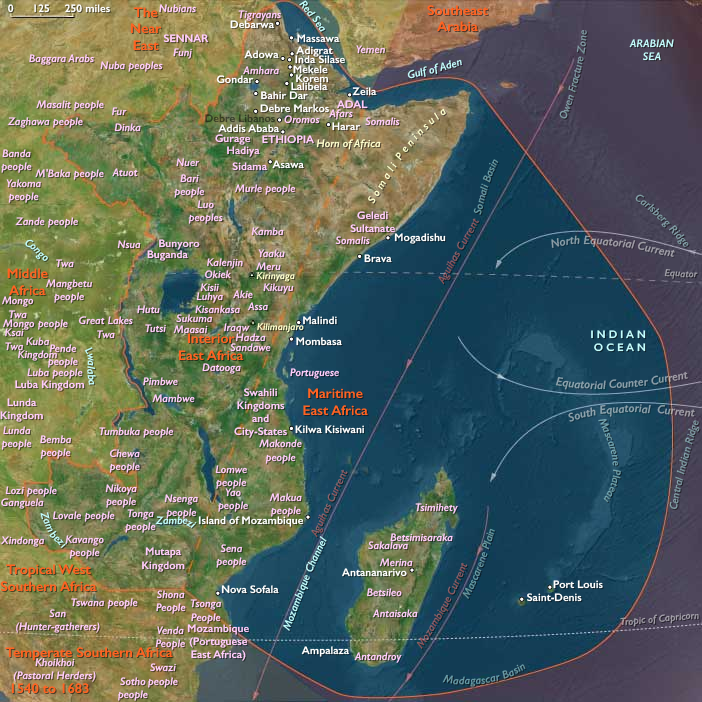
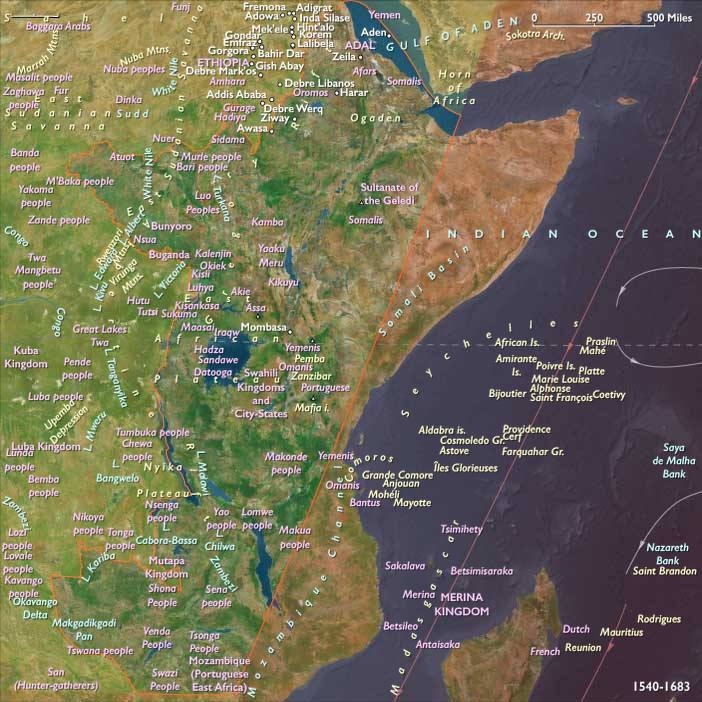
During the reign of Emperor Fasilides (1632–1667), Ethiopia entered a period of restoration and stabilization following the turbulent religious conflicts triggered by his predecessor, Emperor Susenyos. Fasilides decisively expelled the Jesuits and European Catholic missionaries whose presence had previously provoked widespread unrest, firmly reestablishing Ethiopian Orthodox Christianity and reducing European influence in the empire. His policies significantly reshaped the religious and political landscape, reaffirming central imperial authority and fostering a renewed sense of Ethiopian sovereignty and identity.
To secure the Solomonic monarchy against internal challenges, Fasilides reinstated the ancient practice of confining royal family members to remote mountaintops, isolating potential rivals and minimizing dynastic conflicts. Recognizing the symbolic importance of historic religious and cultural sites, he notably undertook the reconstruction of the Cathedral of Axum, which had been devastated by the forces of Ahmad ibn Ibrahim al-Ghazi a century earlier, signaling both religious revival and imperial continuity.
Fasilides also established a new and lasting capital at Gondar, which rapidly developed from a royal encampment into a major political and cultural hub. Under his direction, Gondar became the focal point of an artistic and architectural renaissance, exemplified by grand palaces, elaborately decorated churches, and public structures combining indigenous Ethiopian styles with foreign architectural influences. This "Gondarine" cultural flourishing extended well beyond his reign, influencing Ethiopian art and architecture for over a century.
Yet, despite his substantial achievements, Fasilides was unable to fully reverse the decentralization of power that had taken place during the previous decades of religious strife and Oromo incursions. The nobility, having gained considerable autonomy and economic power, particularly in peripheral regions of the empire, retained substantial independence, limiting the full extent of the emperor's centralized authority. This decentralization set a lasting political precedent, shaping the Ethiopian imperial structure into a complex network of semi-autonomous regional rulers under nominal imperial oversight.
Locations
People
Groups
- Tigray-Tigrinya people
- Somalis
- Aksum (or Axum), Kingdom of
- Sidama people
- Agaw people
- Coptic Orthodox Church of Alexandria
- Oromo people
- Islam
- Papal States (Republic of St. Peter)
- Portuguese people
- Afar people
- Amhara people
- Christians, Roman Catholic
- Christians, Eastern Orthodox
- Franciscans, or Order of St. Francis
- Ethiopia, Solomonid Dynasty of
- Portuguese Empire
- Jesuits, or Order of the Society of Jesus
- Ethiopia, Solomonid Dynasty of
- Ethiopia, Solomonid Dynasty of
- Ethiopia, Solomonid Dynasty of
Topics
- Sub-Saharan Africa, Medieval
- Interaction with Subsaharan Africa, Early European
- Colonization of Asia, Portuguese
Subjects
Regions
Subregions
Related Events
Showing 10 events out of 31368 total
Years: 1658 - 1669
Locations
People
Groups
- Tigray-Tigrinya people
- Somalis
- Aksum (or Axum), Kingdom of
- Sidama people
- Agaw people
- Coptic Orthodox Church of Alexandria
- Oromo people
- Islam
- Papal States (Republic of St. Peter)
- Portuguese people
- Afar people
- Amhara people
- Christians, Roman Catholic
- Christians, Eastern Orthodox
- Franciscans, or Order of St. Francis
- Ethiopia, Solomonid Dynasty of
- Portuguese Empire
- Jesuits, or Order of the Society of Jesus
- Ethiopia, Solomonid Dynasty of
- Ethiopia, Solomonid Dynasty of
- Ethiopia, Solomonid Dynasty of
Topics
- Sub-Saharan Africa, Medieval
- Interaction with Subsaharan Africa, Early European
- Colonization of Asia, Portuguese
Subjects
Regions
Subregions