
Filters:
The First Phase of the Basque Witch …
Years: 1610 - 1610
February
The First Phase of the Basque Witch Trials (1609–1610) and the Auto-da-Fé of 1610
The first phase of the Basque witch trials culminated in 1610 with a major auto-da-fé (act of faith) in Logroño, where 31 individuals were condemned. Of these, 12 or 11 were burned at the stake, including five posthumously, as they had died before the sentencing.
Background: The Basque Witch Panic (1609–1610)
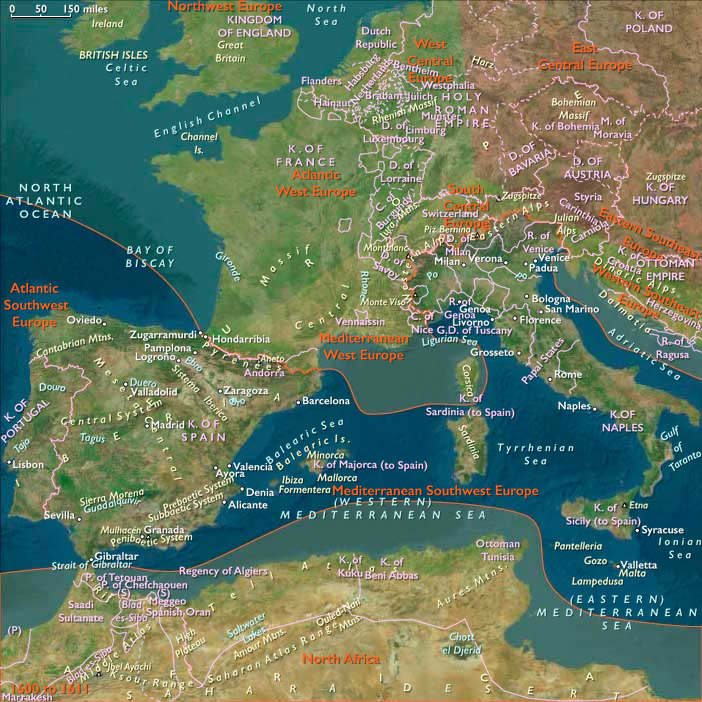
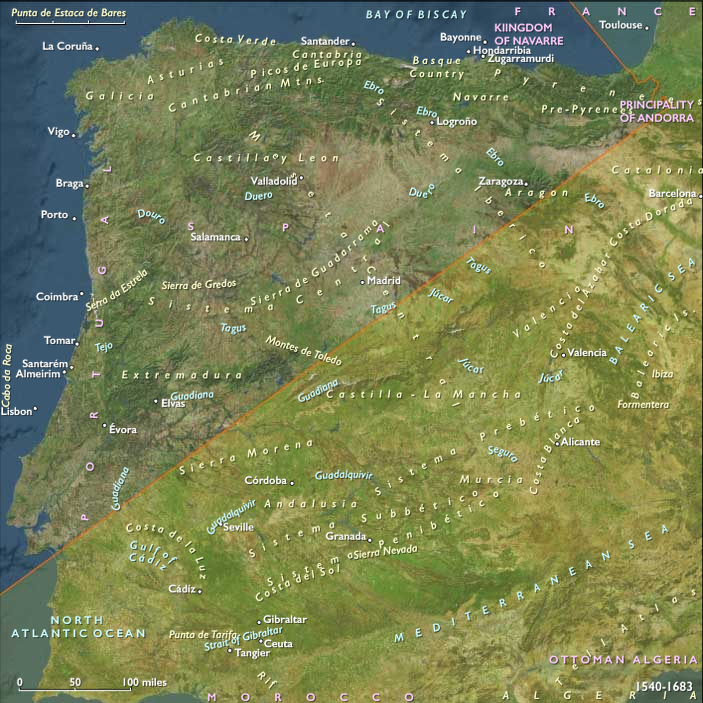
- The trials were triggered by mass hysteria and accusations of witchcraft in the Basque Country, particularly in Zugarramurdi (Navarre).
- The Inquisition of Logroño launched an investigation, arresting hundreds of suspected witches, often based on testimonies from children and neighbors.
- Torture was frequently used to extract confessions, leading to sensational claims of sabbats, flying witches, and pacts with the Devil.
The Auto-da-Fé of 1610 in Logroño
- On November 7–8, 1610, the Inquisition held a public auto-da-fé, where 31 individuals were sentenced:
- 12 or 11 were burned alive.
- Five were burned in effigy, having died in prison before the trial concluded.
- The rest were forced to perform public penance and received lesser sentences.
- The event was one of the most infamous witch trials in Spanish history, reflecting the peak of the witch hysteria in the region.
The Aftermath and Decline of the Witch Trials
- Following the 1610 executions, skepticism within the Inquisition—especially from inquisitor Alonso de Salazar Frías—led to a reevaluation of witchcraft cases.
- By 1614, the Inquisition concluded that most accusations were baseless, effectively ending large-scale witch trials in Spain.
- Unlike in France or Germany, Spain rarely executed accused witches after this period, making the Logroño trials one of the last major witch persecutions in Iberian history.
Conclusion: A Turning Point in Spanish Witch-Hunting
The auto-da-fé of 1610 was the climax of the Basque witch trials, marking one of the last mass executions for witchcraft in Spain. However, the trials also triggered skepticism within the Spanish Inquisition, leading to a more cautious approach toward witchcraft accusations. By 1614, large-scale witch hunts had largely ended in Spain, setting it apart from the harsher persecutions seen elsewhere in Europe.
Locations
Groups
- Basque people
- Christians, Roman Catholic
- Inquisition, Spanish
- Navarre, Lower, Kingdom of
- Spain, Habsburg Kingdom of
Topics
Subjects
Regions
Subregions
Years: 1610 - 1610
February
Locations
Groups
- Basque people
- Christians, Roman Catholic
- Inquisition, Spanish
- Navarre, Lower, Kingdom of
- Spain, Habsburg Kingdom of
Topics
Subjects
Regions
Subregions