
The oil firm Branobel experiences one of …
Years: 1881 - 1881
The oil firm Branobel experiences one of the first oil tanker disasters.
In 1881, the Zoroaster's sister-ship, the Nordenskjöld, explodes in Baku while taking on kerosene.
The pipe carrying the cargo is jerked away from the hold when the ship is hit by a gust of wind.
Kerosene then spills onto the deck and down into the engine room, where mechanics are working in the light of kerosene lanterns.
The ship then explodes, killing half the crew.
Ludvig Nobel responds to the disaster by creating a flexible, leak proof loading pipe that is much more resistant to spills.
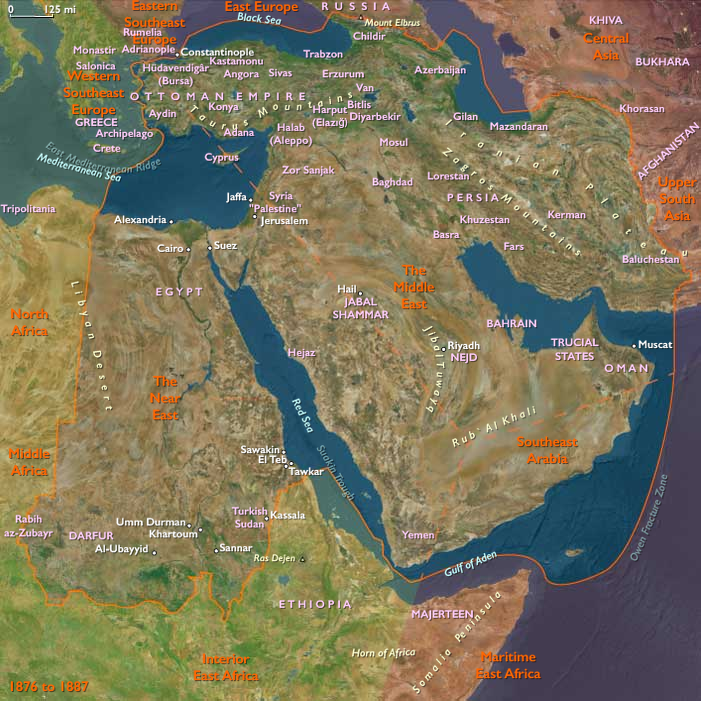
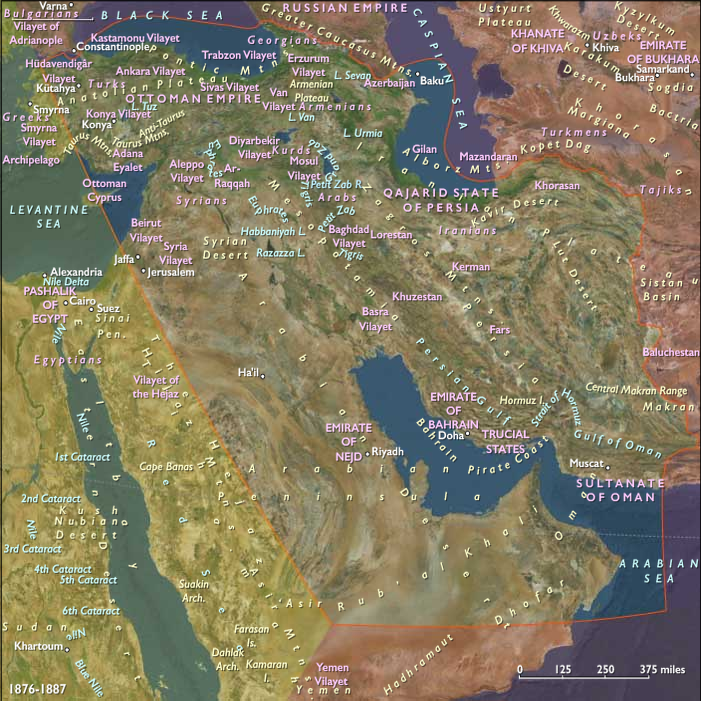
The first oil well had been mechanically drilled in the Bibi-Heybat suburb of Baku in 1846, though a number of hand-dug wells predate it.
Large-scale oil exploration had begun in 1872, when Russian imperial authorities auctioned the parcels of oil-rich land around Baku to private investors.
Within a short period of time Swiss, British, French, Belgian, German, Swedish and American investors have appeared in Baku.
Among them are the firms of the Nobel brothers, together with the family von Börtzell-Szuch (Carl Knut Börtzell, who also owns the Livadia Palace) and the Rothschild family.
An industrial oil belt, better known as Black City, is established near Baku.
Ludvig Nobel, as head of Branobel, had begun to adopt a single-hull design, where the ship's hull forms part of its tank structure.
In November 1880, he had ordered his first single-hulled tanker, the Moses.
Within a year, he had ordered seven more single-hulled tankers: the Mohammed, Tatarin, Bramah, Spinoza, Socrates, Darwin, Koran, Talmud, and Calmuck.
Locations
People
Groups
- Russian Empire
- Rothschild, N. M., and Sons
- Sweden and Norway, Union between the Kingdoms of
- Rothschild, de, Frères
Topics
Commodoties
Subjects
Regions
Subregions
Years: 1881 - 1881
Locations
People
Groups
- Russian Empire
- Rothschild, N. M., and Sons
- Sweden and Norway, Union between the Kingdoms of
- Rothschild, de, Frères
Topics
Commodoties
Subjects
Regions
Subregions