
The first games of the Ludi Romani …
Years: 585BCE - 574BCE
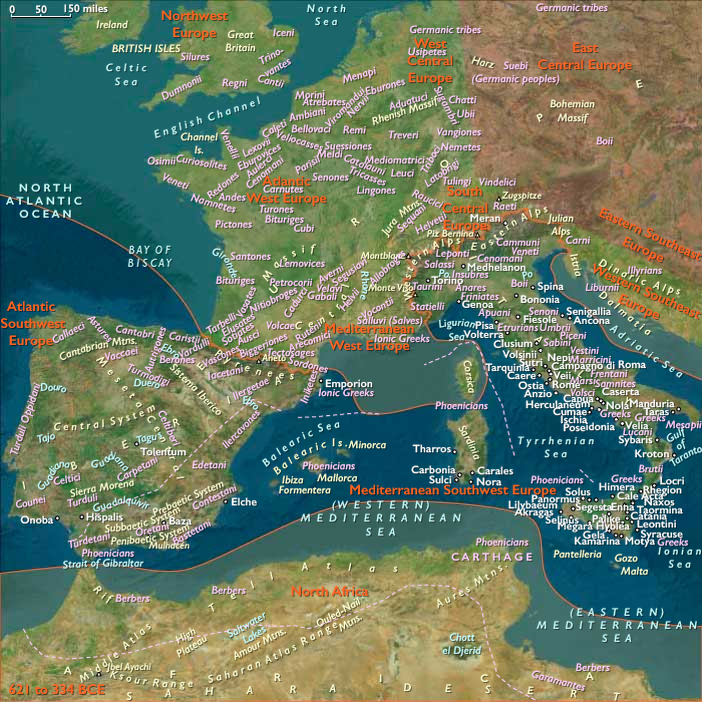
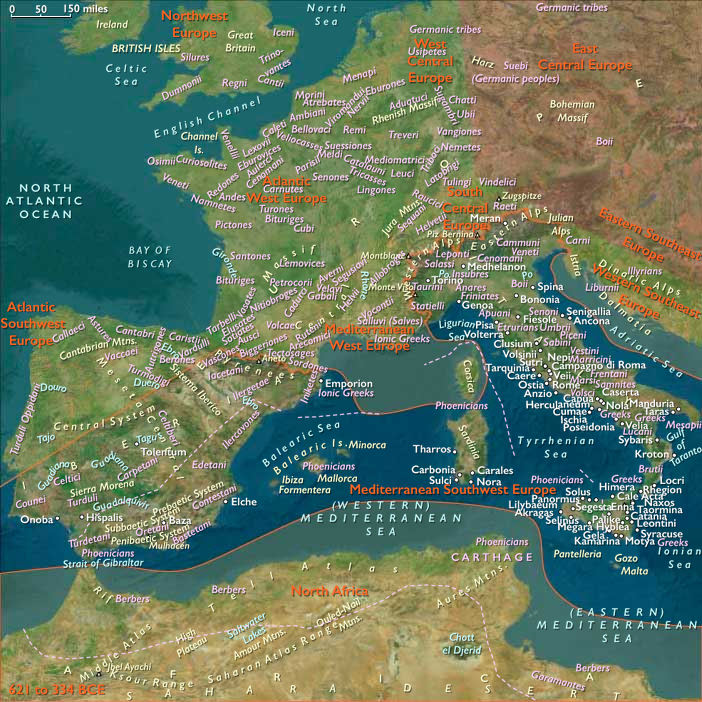
The first games of the Ludi Romani are staged at the location of the Circus Maximus (Latin for greatest circus), a hippodrome and mass entertainment venue situated in the valley between the Aventine and Palatine hills, first utilized for public games and entertainment by Lucius Tarquinius Priscus, the legendary fifth king and first Etruscan ruler of Rome.
Following a great flood, the damp lowlands of Rome are drained by the construction of the Cloaca Maxima (great sewers) to create a site for the Forum Romanum.
This public work, ordered by Priscus, is largely achieved through the use of Etruscan engineers and large amounts of semi-forced labor from the poorer classes of Roman citizens.
As his last great act, Priscus begins the construction of a temple in honor of Jupiter Optimus Maximus on the Capitoline Hill, partially funded by plunder seized from the Latins and Sabines.
Many of the Roman symbols both of war and of civil office date from his reign, and he is the first to have celebrated a Roman triumph, after the Etruscan fashion, wearing a robe of purple and gold, and borne on a chariot drawn by four horses.
His thirty-eight-year reign supposedly ends with his assassination in 579 BCE at the behest of the natural sons of his adoptive father, the late King Ancus Marius.
Thanks to the intelligent foresight of the widowed queen Tanaquil however, the assassins are not chosen, but rather Tarquinius' son-in-law Servius Tullius is elected as his successor.
Servius Tullius is the first king to come to power without the consultation of the plebeians.
After military campaigns against Veii and the Etruscans, he improves the administrative and political organization of Rome.
He undertakes building projects and expands the city to include the Quirinal, Viminal and Esquiline hills.
Favoring the goddess, Fortuna, he builds several temples to her as well as to Diana.
He also builds a palace for himself on the Esquiline.
Locations
People
Groups
Topics
Commodoties
Subjects
- Commerce
- Architecture
- Watercraft
- Engineering
- Environment
- Labor and Service
- Conflict
- Mayhem
- Games and Sports
- Faith
- Government
- Technology
Regions
Subregions
Years: 585BCE - 574BCE
Locations
People
Groups
Topics
Commodoties
Subjects
- Commerce
- Architecture
- Watercraft
- Engineering
- Environment
- Labor and Service
- Conflict
- Mayhem
- Games and Sports
- Faith
- Government
- Technology
Regions
Subregions