
Filters:
The Domestication of Pigs: A Parallel to …
Years: 3933BCE - 3790BCE
The Domestication of Pigs: A Parallel to Cattle Domestication
Pigs were domesticated around the same time as cattle, in the 4th millennium BCE, though some genetic studies suggest a much earlier domestication event. They likely originated from only two wild species, reflecting a relatively limited genetic lineage compared to other domesticated animals.
Origins of Domesticated Pigs
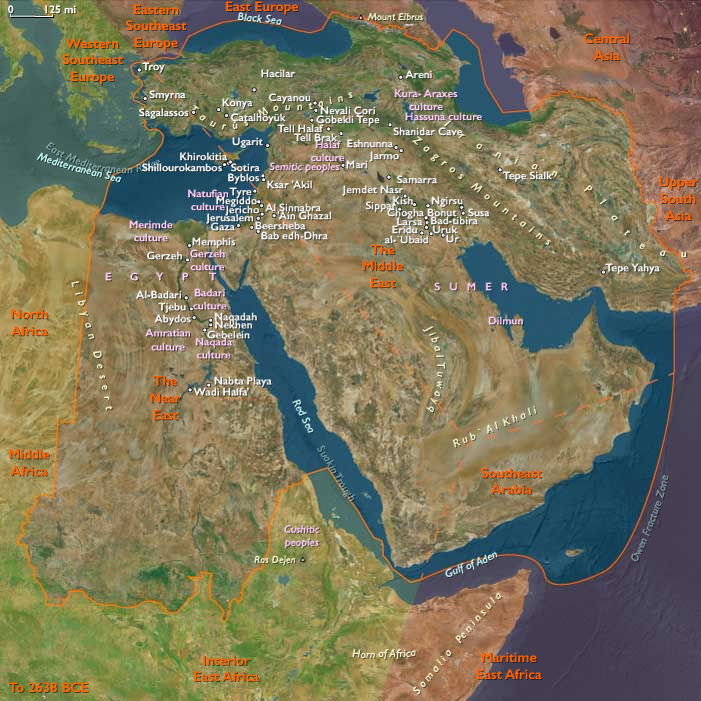
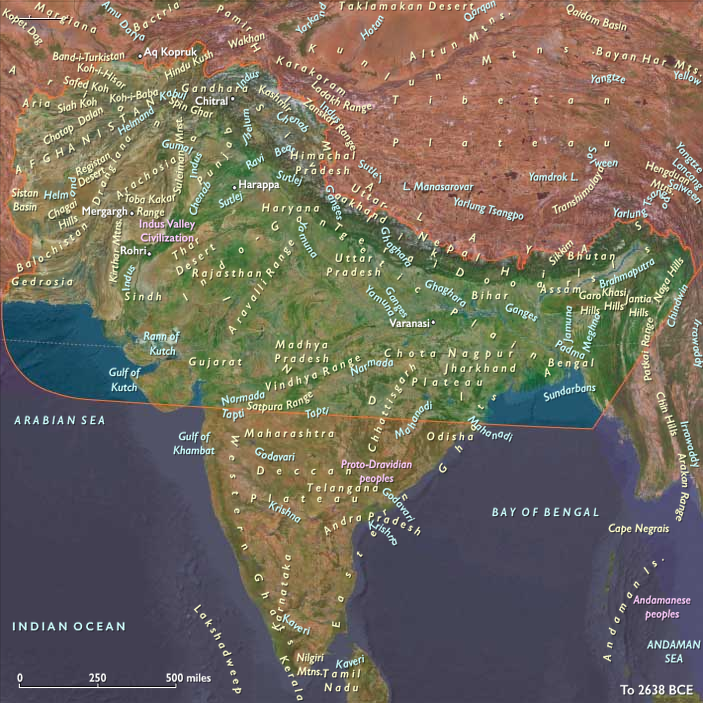
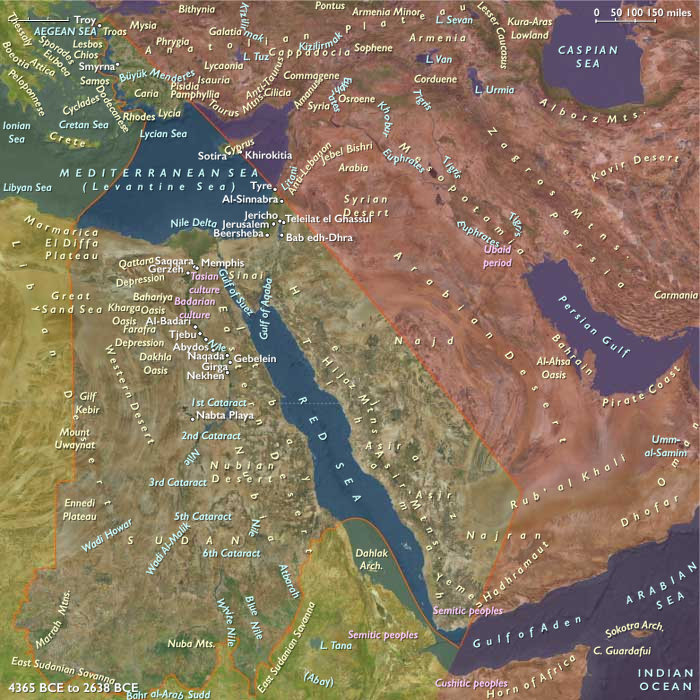
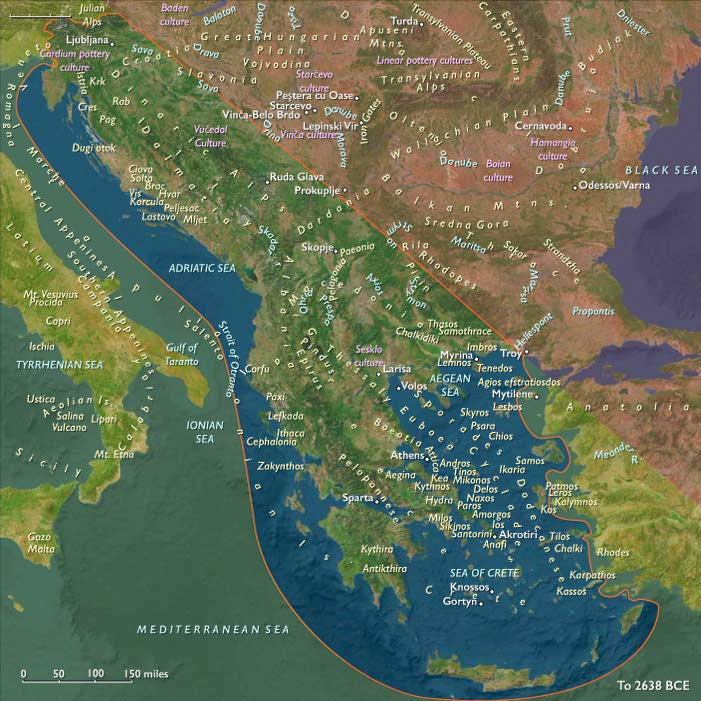
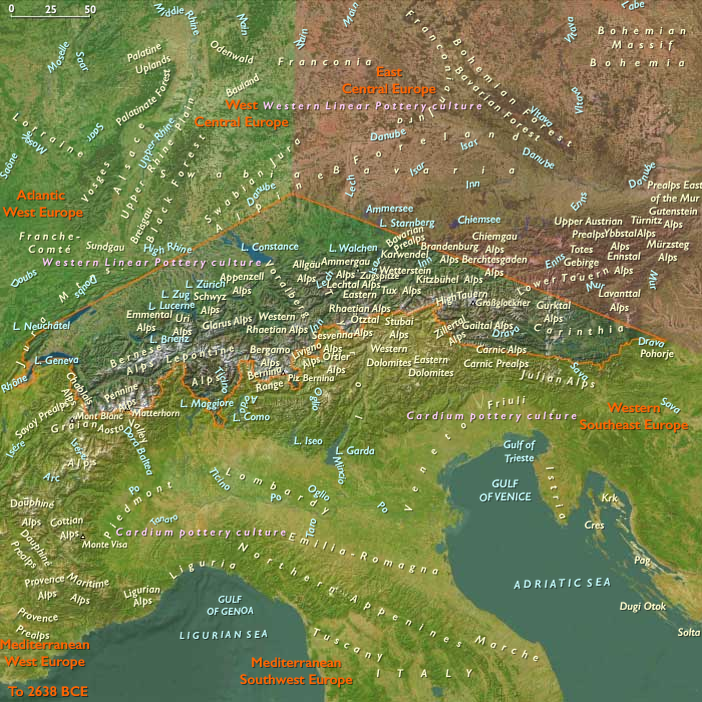
- Near East and Europe – The Eurasian wild boar (Sus scrofa scrofa) was domesticated in the Fertile Crescent, later spreading into Anatolia and Europe.
- East Asia – The Asian wild boar (Sus scrofa vittatus) was independently domesticated in China and Southeast Asia, leading to genetically distinct pig breeds.
Evidence for Earlier Domestication
- A 1994 study suggested that pigs may have been domesticated much earlier than previously believed, with evidence pointing to pre-Neolithic interactions between humans and wild boars.
- Recent genetic analyses suggest that pig domestication may have begun as early as 9000 BCE in some regions, coinciding with the earliest Neolithic farming cultures.
Impact of Pig Domestication
- Pigs became a crucial livestock species, providing:
- Meat as a high-calorie food source
- Skins and bones for tools and materials
- Unlike cattle and sheep, pigs were more suited to settled agricultural life, thriving on human food waste and requiring less grazing land.
- Over time, domesticated pigs spread through trade and migration, leading to the emergence of regional pig breeds adapted to different environments.
The domestication of pigs and cattle marked a fundamental shift in early agricultural societies, supporting food surpluses, permanent settlements, and economic specialization in Neolithic cultures across Eurasia.
Topics
Commodoties
Subjects
Regions
Subregions
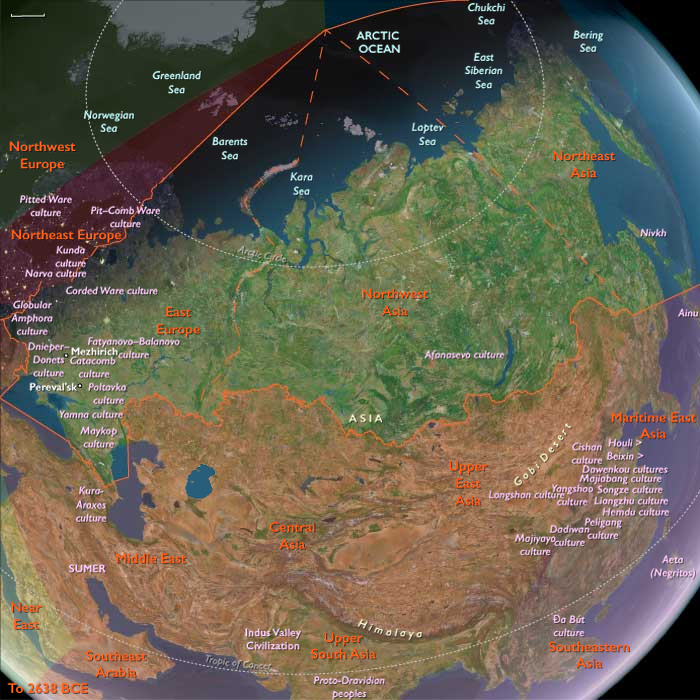
- East Europe
- Northeast Europe
- East Central Europe
- Middle East
- Upper South Asia
- Near East
- Western Southeast Europe
- South Central Europe
- Mediterranean West Europe
- Atlantic West Europe
- West Central Europe

Years: 3933BCE - 3790BCE
Topics
Commodoties
Subjects
Regions
Subregions
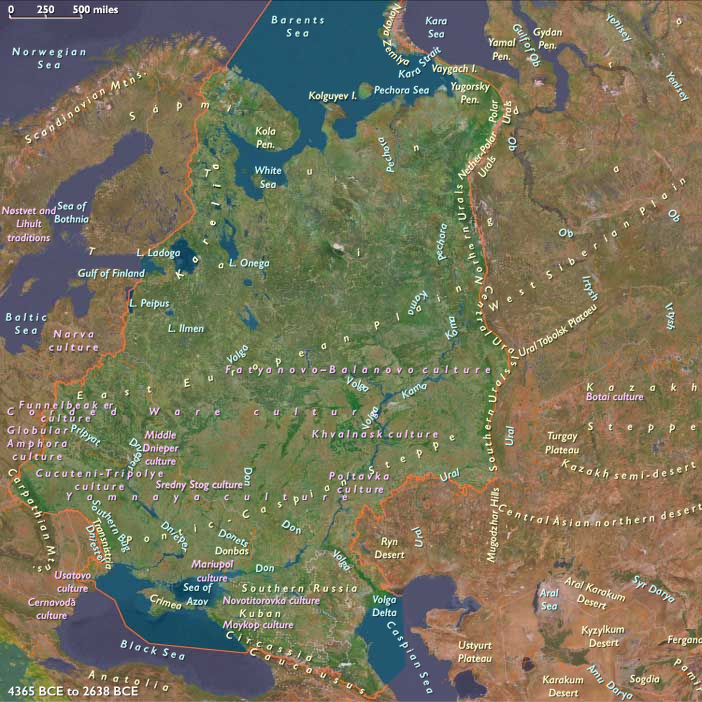
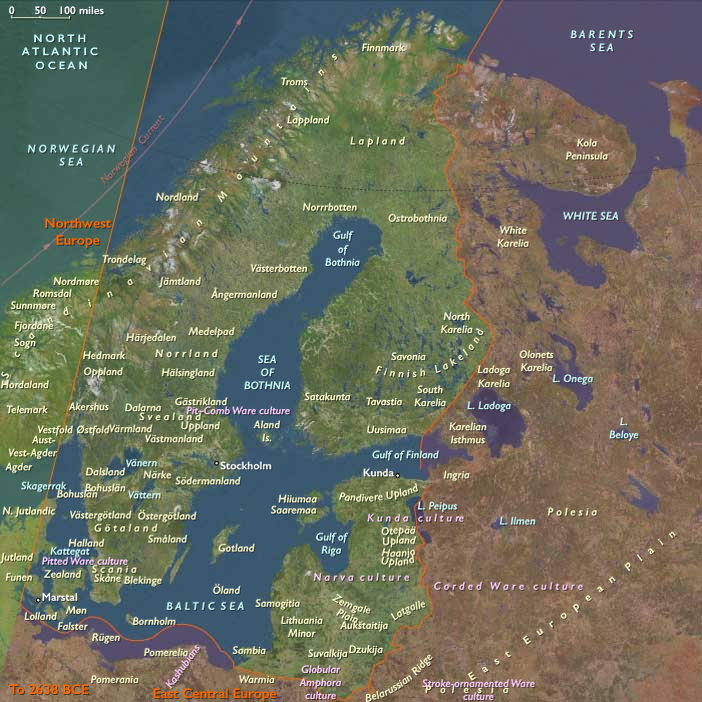
- East Europe
- Northeast Europe
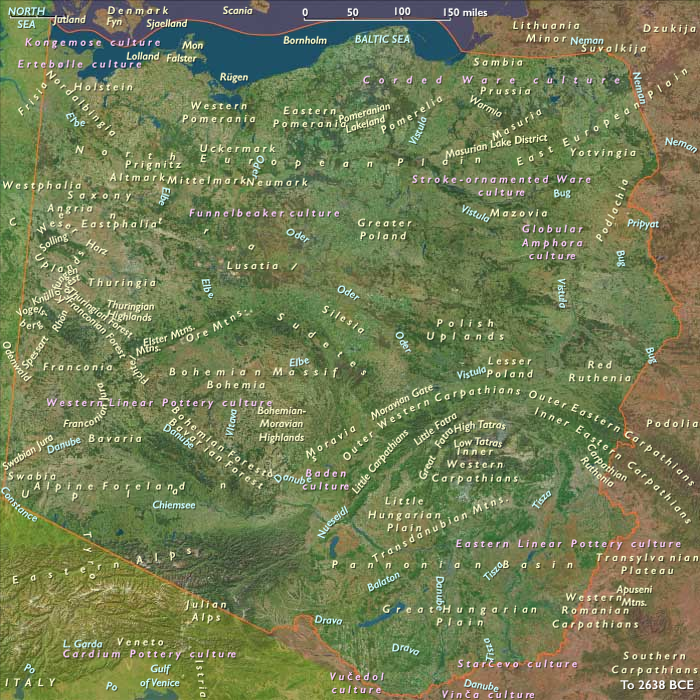
- East Central Europe
- Middle East
- Upper South Asia
- Near East
- Western Southeast Europe
- South Central Europe
- Mediterranean West Europe
- Atlantic West Europe
- West Central Europe