
The Massacres of Jewish Communities During the …
Years: 1096 - 1107
The Massacres of Jewish Communities During the First Crusade (1096)
The First Crusade (1096–1099) brought with it one of the first large-scale outbreaks of anti-Jewish violence in medieval Europe. As bands of Crusaders moved toward the Holy Land, irregular groups known as the "People’s Crusade" began their campaign not against Muslims in the East, but against Jewish communities in the Rhineland and elsewhere in northwestern Europe. This widespread persecution led to mass killings, forced conversions, and the flight of Jewish survivors to the more tolerant Slavic lands in the East.
The Breakdown of Jewish-Christian Relations
- Prior to 1096, there was a tenuous coexistence between Jewish communities and their Christian neighbors in parts of northwestern Europe.
- However, as the fervor of the Crusades intensified, many Crusaders saw non-Christians within Europe as enemies of the faith, turning their violence toward local Jewish populations.
- Some Crusaders sought money to fund their journey by targeting Jewish communities for plunder and extortion.
The Pogroms of 1096: The Rhineland Massacres
- The People’s Crusade, a loosely organized force of peasants, knights, and minor nobles, took a brutal detour through the Rhineland, attacking Jewish settlements in major cities.
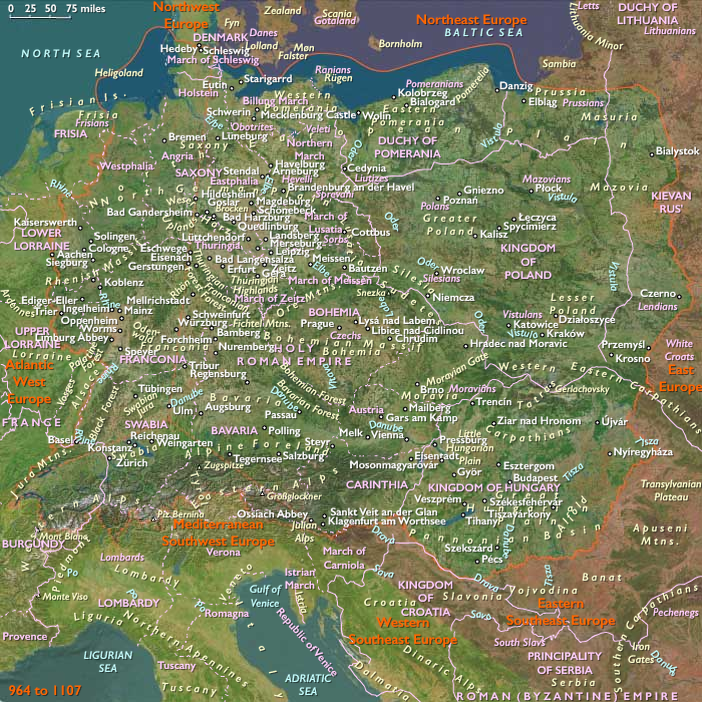
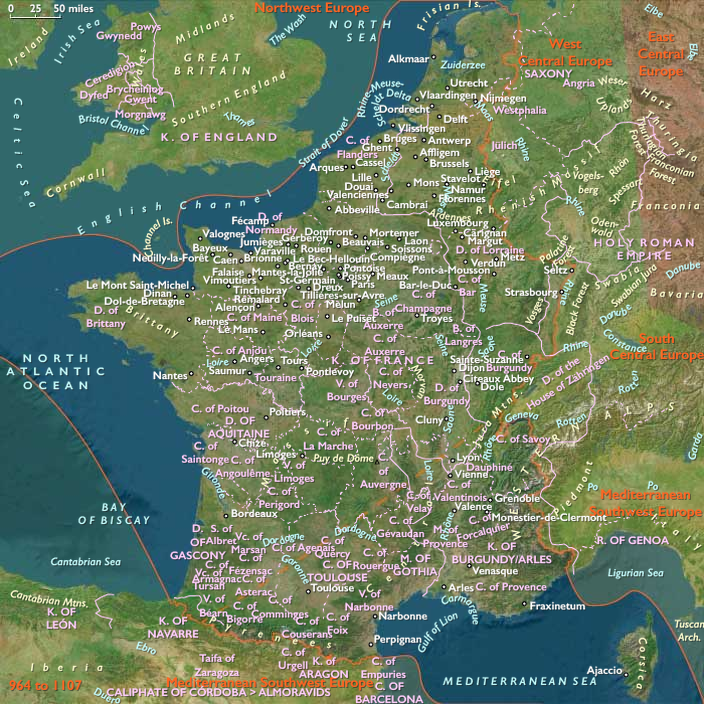
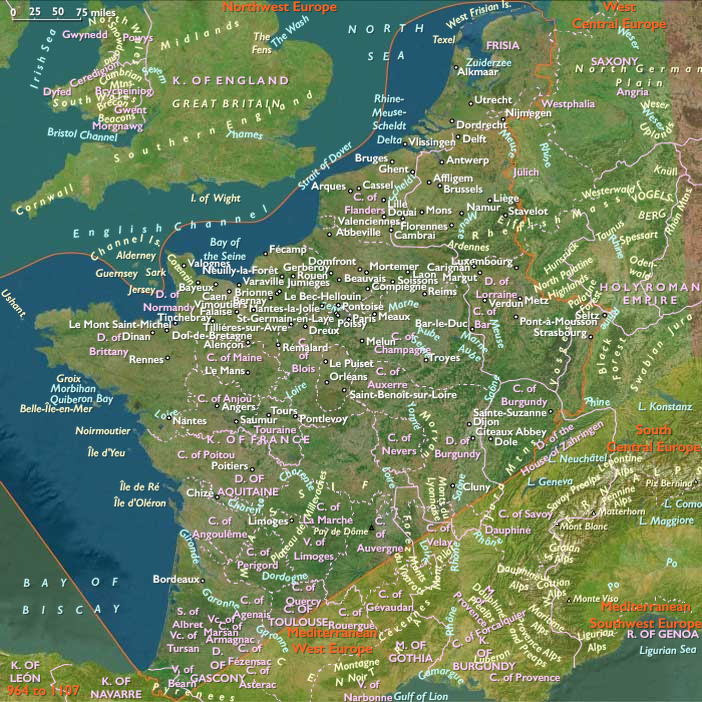
- The worst atrocities occurred in Worms, Mainz, Speyer, and Cologne, where entire Jewish populations were massacred.
- Crusaders killed indiscriminately, murdering men, women, and children, often in horrific ways.
- Many Jewish families committed mass suicide rather than fall into the hands of the Crusaders.
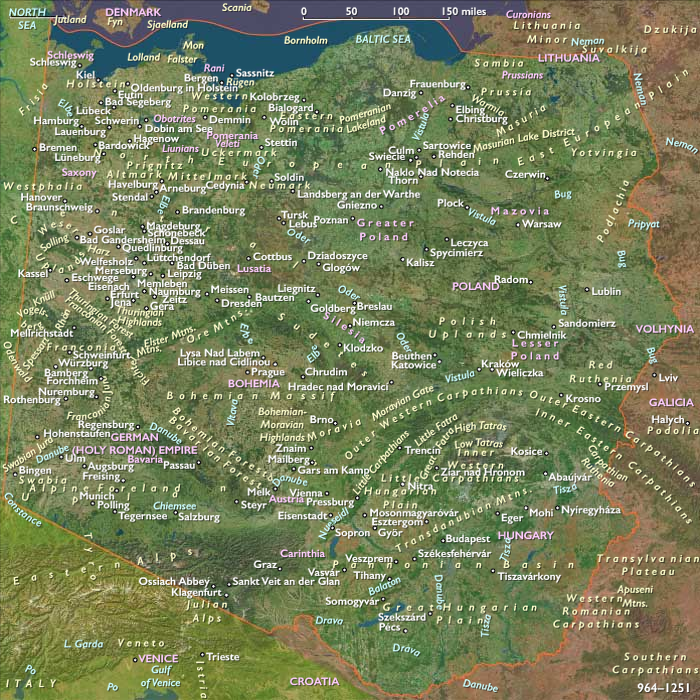
- Some Jewish survivors fled eastward, seeking refuge in the more tolerant Slavic lands, particularly Poland and Kievan Rus’.
Emperor Henry IV’s Response
- Emperor Henry IV denied any involvement in forced conversions carried out by the Crusaders.
- He offered Jews who had been forcibly baptized the opportunity to return to Judaism, though many had already lost their homes and communities.
The Scale of the Atrocities
- Approximately 5,000 Jews perished in Germany and northern France during April, May, and June of 1096.
- This represented over one-quarter of the total Jewish population in these regions.
- The massacres of 1096 set a precedent for future waves of anti-Jewish violence, particularly during later Crusades.
Consequences and Legacy
- The Rhineland massacres of 1096 were a turning point in Jewish-Christian relations in medieval Europe, marking the first large-scale, organized persecutions of Jewish communities.
- Jewish survivors increasingly sought refuge in Eastern Europe, where Jewish communities flourished for centuries under more tolerant Slavic rulers.
- The events of 1096 foreshadowed future anti-Jewish pogroms in medieval Europe, demonstrating how religious movements like the Crusades could be exploited to justify ethnic violence.
The massacres of 1096 were a dark chapter in the history of the First Crusade, illustrating how religious fanaticism and political instability combined to unleash unprecedented violence against Jewish communities in medieval Europe.
People
Groups
- Jews
- Germans
- German, or Ottonian (Roman) Empire
- French people (Latins)
- France, (Capetian) Kingdom of
- Christians, Roman Catholic
Topics
Subjects
Regions
Subregions
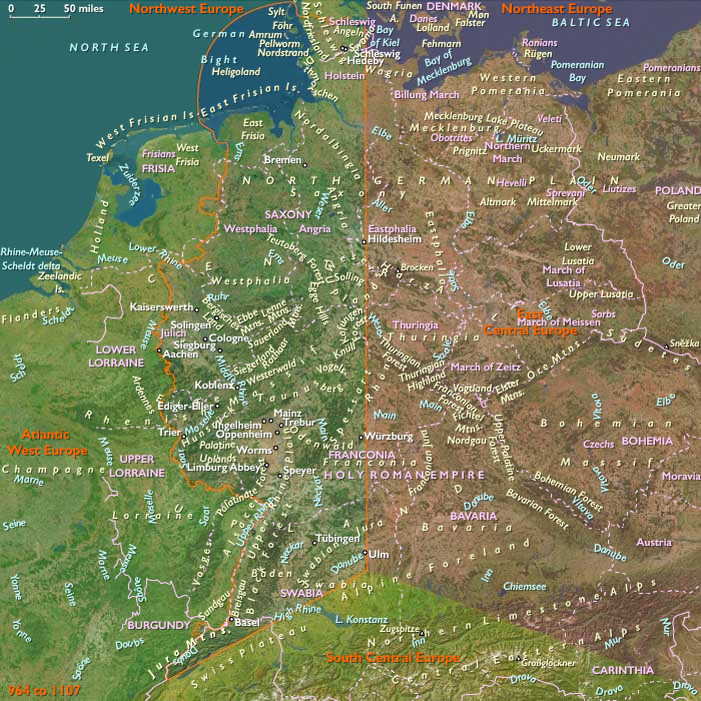
Years: 1096 - 1107
People
Groups
- Jews
- Germans
- German, or Ottonian (Roman) Empire
- French people (Latins)
- France, (Capetian) Kingdom of
- Christians, Roman Catholic
Topics
Subjects
Regions
Subregions