
The Latin Romans, in a revolt led …
Years: 513BCE - 502BCE
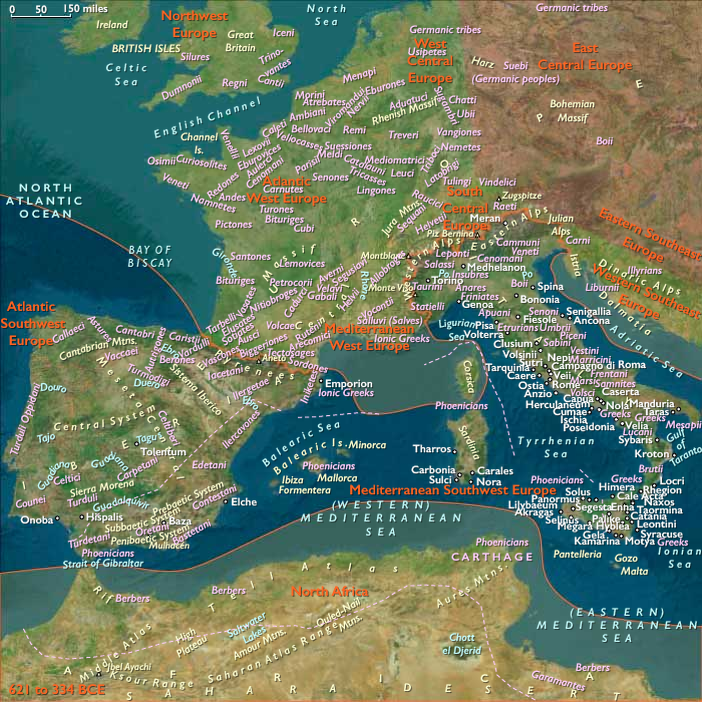
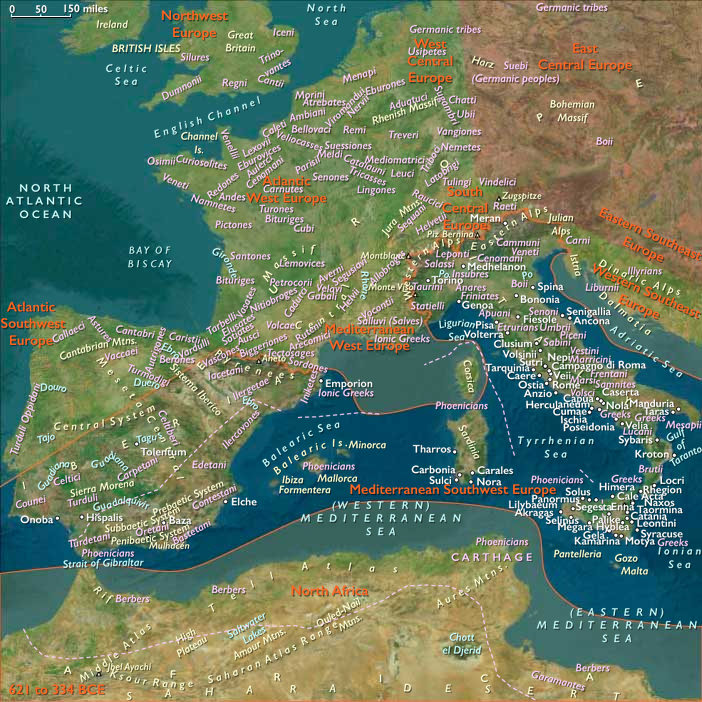
The Latin Romans, in a revolt led by the Senate, an advisory body to the monarch, expel Tarquinius Superbus, from Rome in 510. (According to tradition, Tarquinius Superbus’s son Sextus Tarquinius brings down the dynasty by his rape of Lucretia, a virtuous and beautiful Roman matron. The act supposedly turns the Romans against the Etruscan rulers; Lucretia makes her husband and father vow to avenge her dishonor before she commits suicide.)
The Senate decrees that Rome should have no more kings.
In place of the deposed monarchy, the Senate creates two principal magistrates (later called consuls), equal in power and holding supreme authority in all civil and military matters.
Chosen from among the patricians and elected by the comitia centuriata for one year, they cannot be reelected for ten years.
Thus, in 509, the Roman Republic is born.
The Romans base their new republic on a considerable amount of customary law, which originates in family customs, handed down from one generation to another and in judgments (leges regiae) of chieftains or kings.
The law is oral, not written, and in the keeping of the most ancient patrician families (gentes), thus placing the common people (plebeians) at a disadvantage in disputes.
Locations
People
Groups
Topics
Subjects
Regions
Subregions
Years: 513BCE - 502BCE
Locations
People
Groups
Topics
Subjects
Regions
Subregions