
The failure of the conspiracy in Rome …
Years: 62BCE - 62BCE
The failure of the conspiracy in Rome is a massive blow to Catiline.
Many men desert his army upon hearing of the death of Lentulus and the others, reducing the size from about ten thousand to a mere three thousand.
Catiline and his ill-equipped army, in vain attempts to avoid a battle, begin to march towards Gaul, then back towards Rome several times.
Inevitably, Catiline is forced to fight in January 62 BCE when Quintus Caecilius Metellus Celer with three legions in the north blocks his escape.
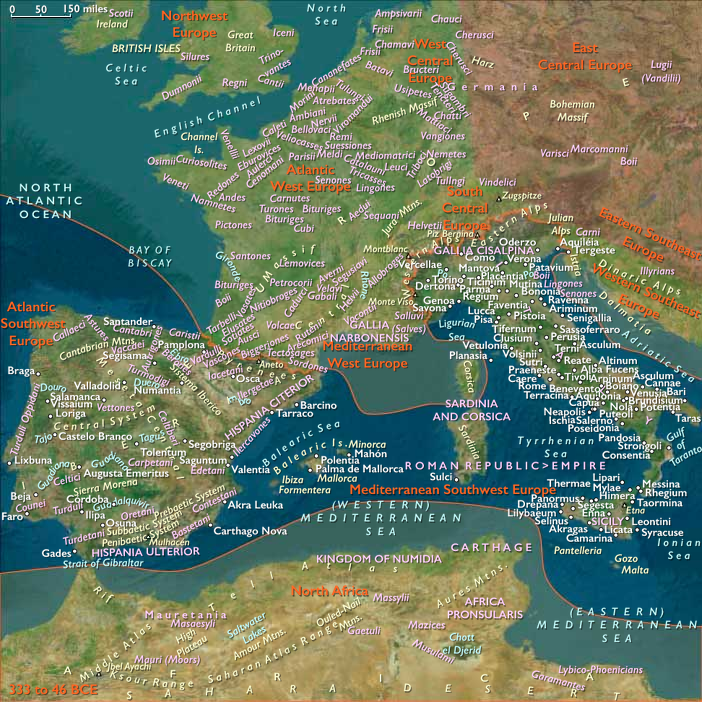
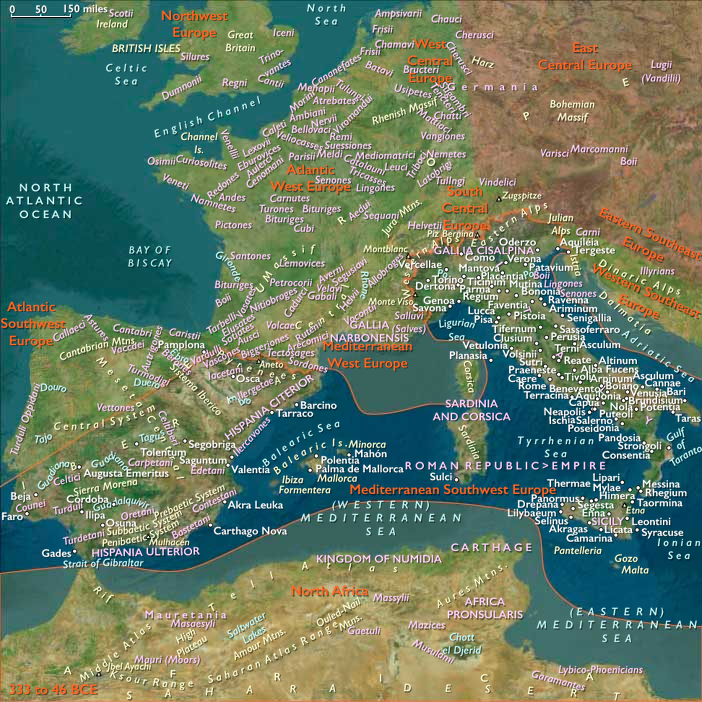
He chooses to engage Antonius Hybrida’s army near Pistoria (now Pistoia), hoping that he will lose the battle and dishearten the other Republican armies.
Catiline also hopes that perhaps he will have an easier time battling Antonius, whom he assumes will fight less determinedly, as he was once allied with Catiline.
Catiline may have still believed that Antonius Hybrida was conspiring with him, which may have been true as Antonius Hybrida will claim to have been ill on the day of the battle.
Catiline himself bravely fights as a soldier on the front lines of the battle and, once he sees that there is no hope of victory, throws himself into the thick of the fray.
When the corpses are counted, all Catiline’s soldiers are found with frontal wounds, and his corpse is found far in front of his own lines.
After Catiline’s death, many of the poor still regard him with respect and do not view him as the traitor and villain that Cicero claims he is.
The aristocratic element of Rome certainly views him in a much darker light, but many Romans still view his character with a degree of respect.
Well after Catiline's death and the end of the threat of the conspiracy, even Cicero will reluctantly admit that Catiline was an enigmatic man who possessed both the greatest of virtues and the most terrible of vices.
Locations
People
- Cato the Younger
- Cicero
- Gaius Antonius Hybrida
- Julius Caesar
- Lucius Aurelius Cotta
- Lucius Sergius Catalina
- Marcus Licinius Crassus
- Quintus Caecilius Metellus Celer
Groups
Topics
Commodoties
Subjects
Regions
Subregions
Related Events
Showing 10 events out of 62596 total
Years: 62BCE - 62BCE
Locations
People
- Cato the Younger
- Cicero
- Gaius Antonius Hybrida
- Julius Caesar
- Lucius Aurelius Cotta
- Lucius Sergius Catalina
- Marcus Licinius Crassus
- Quintus Caecilius Metellus Celer
Groups
Topics
Commodoties
Subjects
Regions
Subregions