
Filters:
Evolution as a Branching Process: The Case …
Years: 11277BCE - 9550BCE
Evolution as a Branching Process: The Case of Mammoths, Mastodons, and Early Human Hunting
The evolution of species does not follow a simple linear progression but rather a complex branching pattern, with different lineages adapting uniquely to their respective environments. For example:
- Mammoths (Mammuthus spp.) and mastodons (Mammut spp.) were not less evolved than their modern relatives, the elephants.
- Instead, each species evolved distinct adaptations—mammoths for cold, open steppe environments, mastodons for forested regions, and elephants for tropical and subtropical habitats.
Early Human Predation on Megafauna
- Fossil evidence suggests that Homo erectus was consuming mammoth meat as early as 1.8 million years ago.
- This indicates an early reliance on large mammals for sustenance, showcasing the hunting or scavenging skills of early hominins.
- The ability to process and consume large prey likely contributed to:
- Nutritional advancements, supporting brain expansion in early humans.
- Social cooperation, as large-game hunting required group coordination.
- Tool advancements, with stone tools used to butcher megafauna efficiently.
The hunting and interaction with megafauna by early humans played a crucial role in human evolution, shaping the development of hunting strategies, tool use, and social behaviors that would define later hominin species.
Topics
- Paleolithic
- Pleistocene Epoch
- Last glacial period
- Lithic Stage (Americas)
- The Upper Paleolithic
- Allerød Oscillation
- Late Glacial Maximum
- Younger Dryas
- Preboreal Period
Commodoties
Subjects
Regions
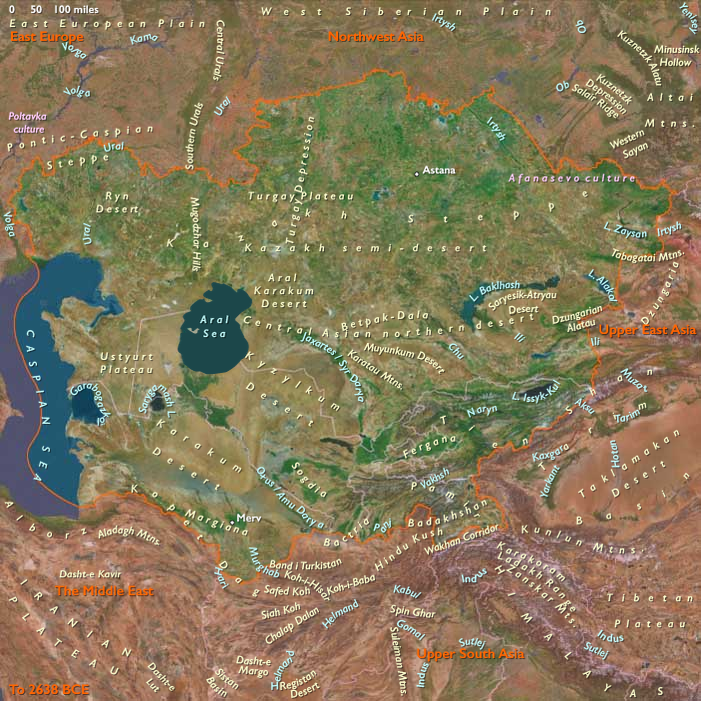
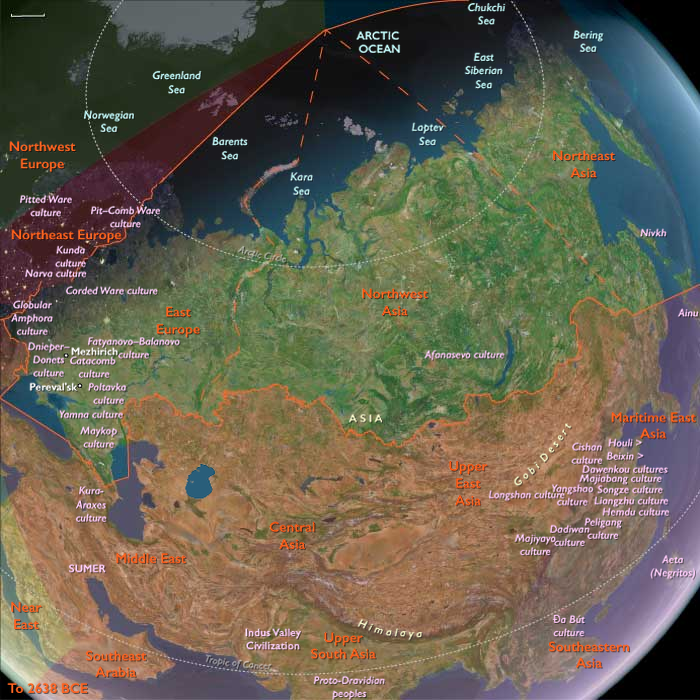
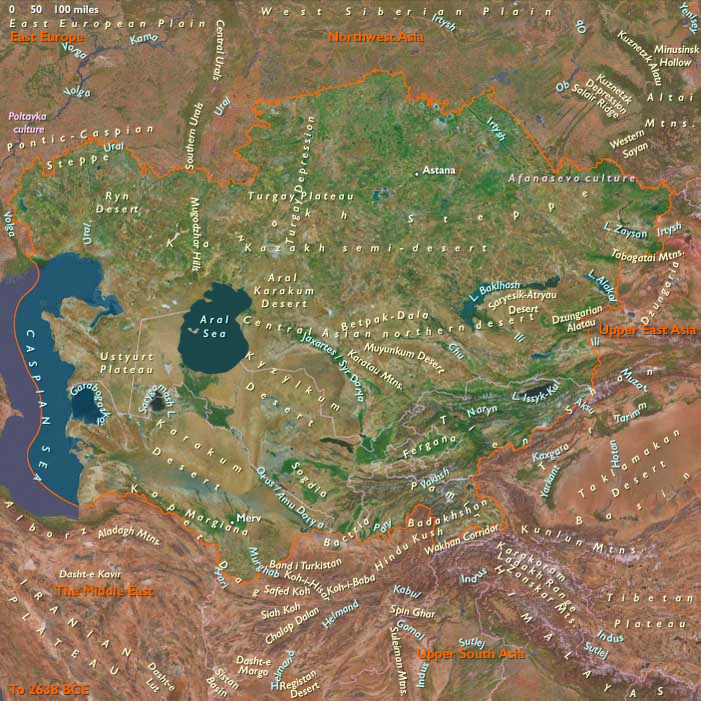
- Central Asia
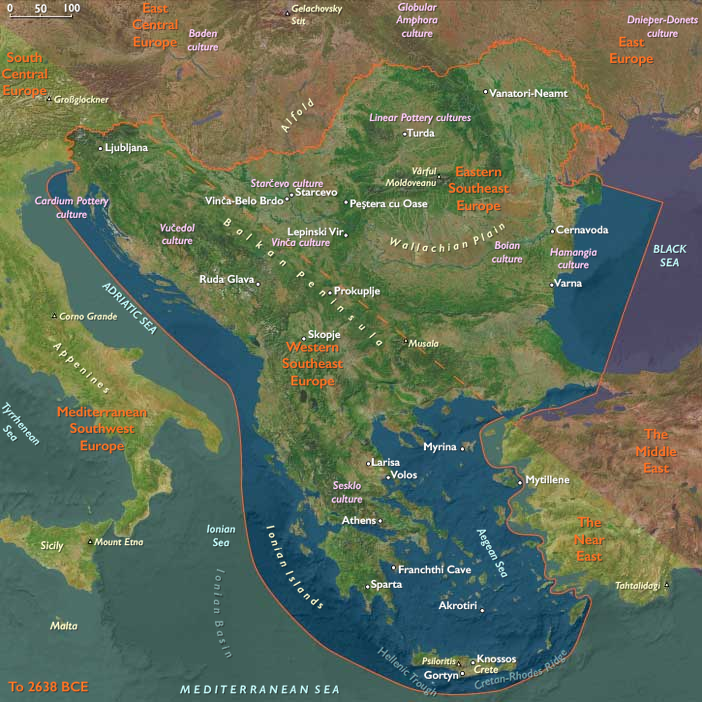
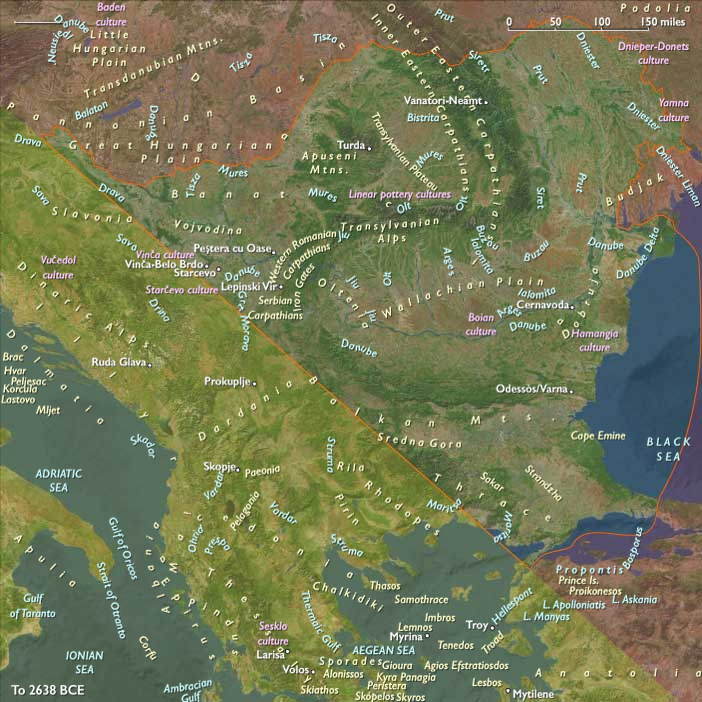
- Southeast Europe
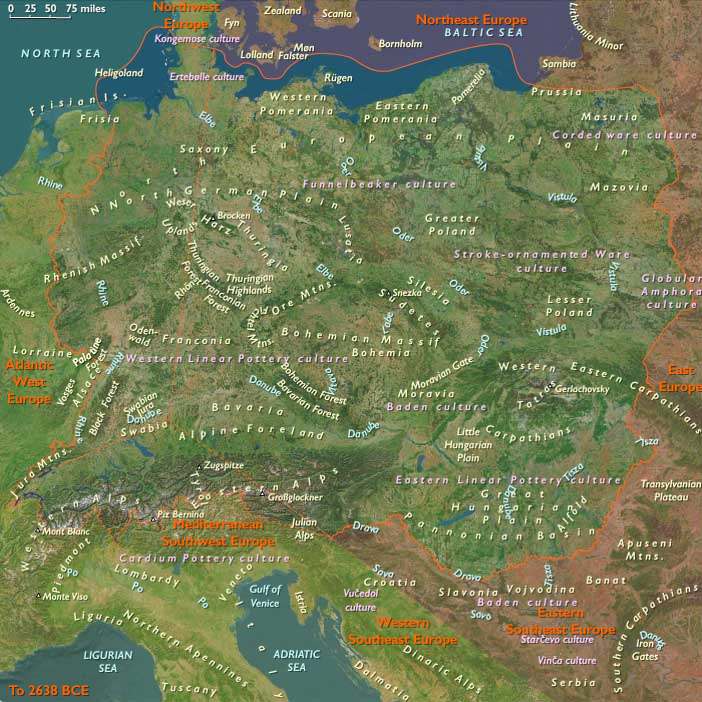
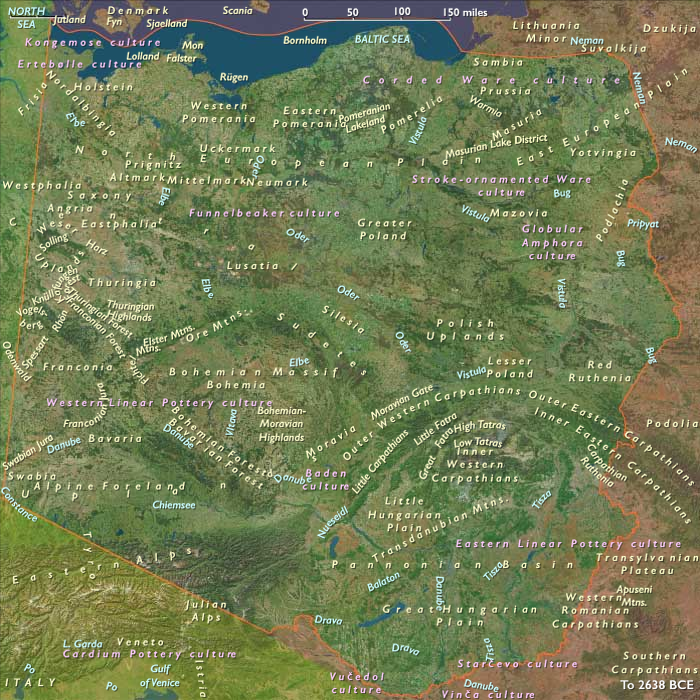
- Central Europe
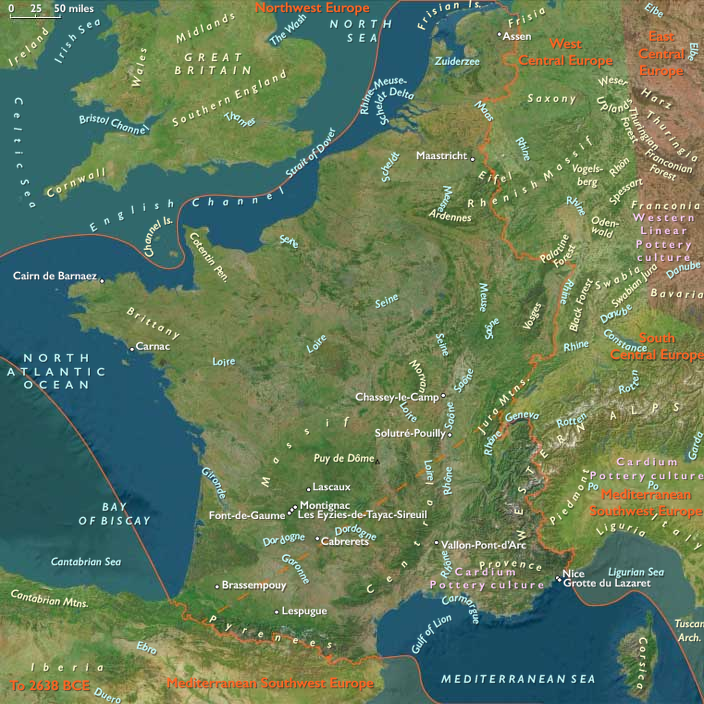
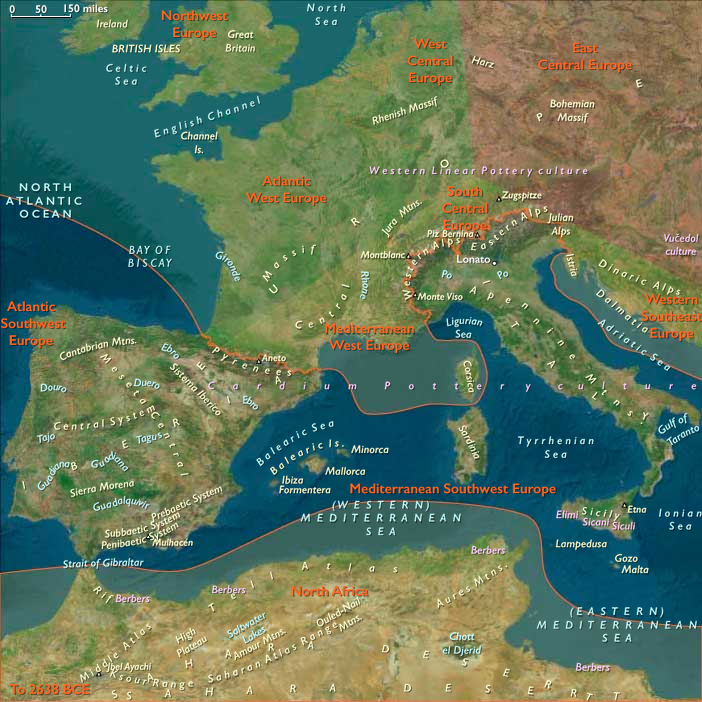
- West Europe
- North Europe
- Northeastern Eurasia
- Southwest Europe
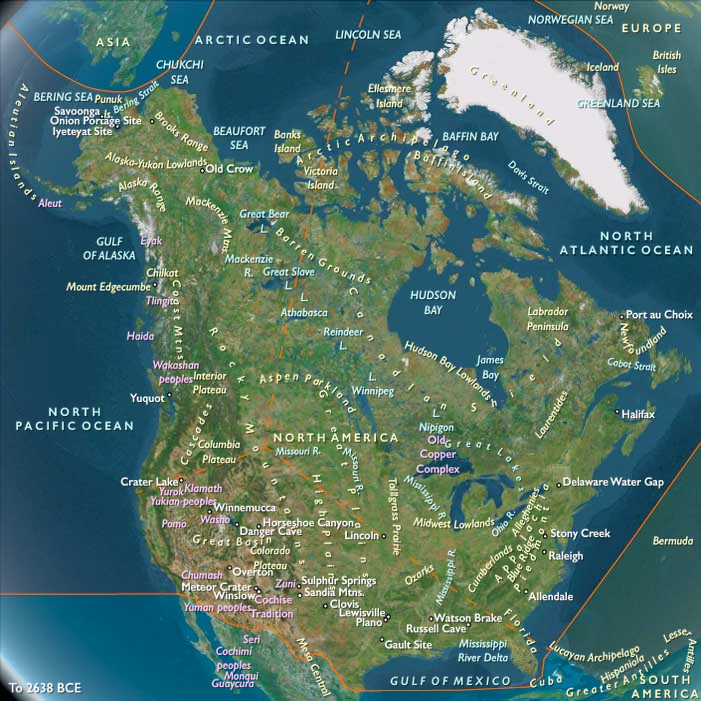
- Northern North America

Subregions
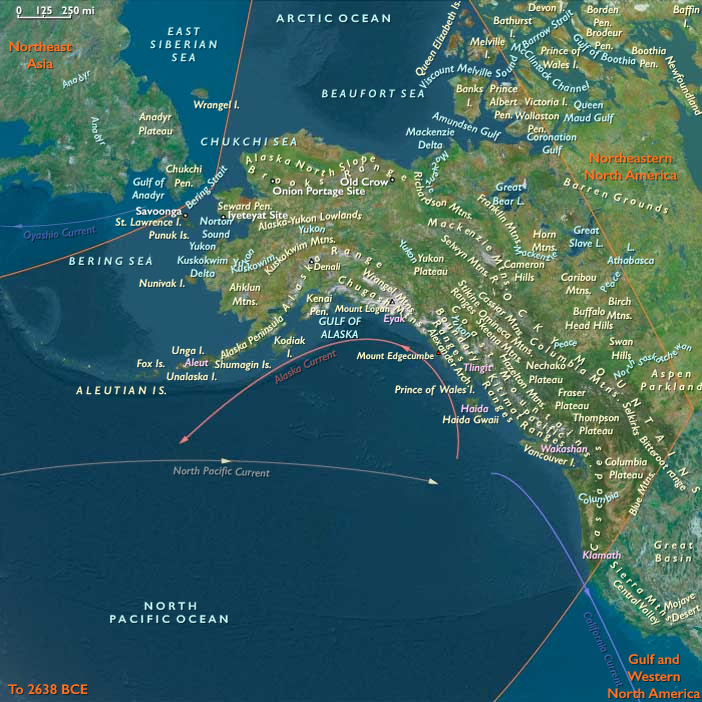
- Northwestern North America
- Central Asia
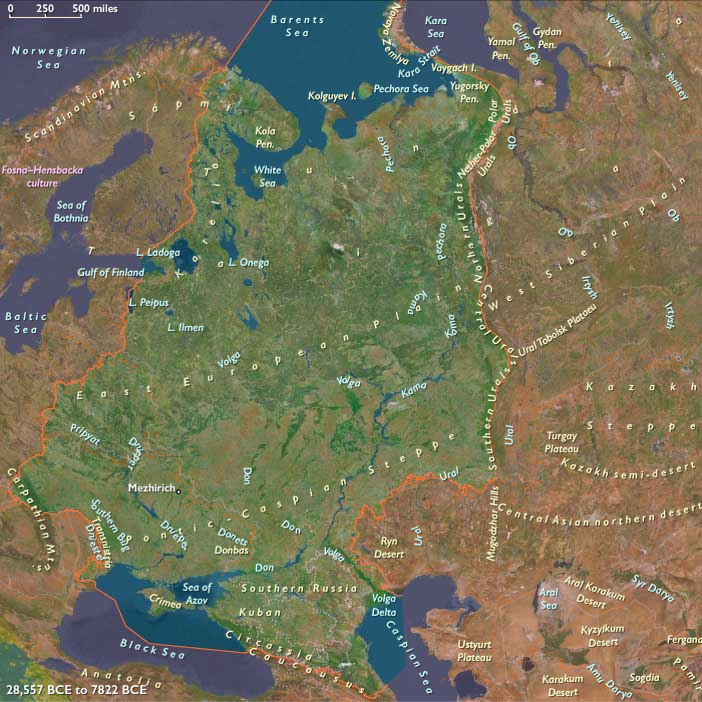
- East Europe
- East Central Europe
- Eastern Southeast Europe
- Middle East
- Mediterranean Southwest Europe
- Atlantic Southwest Europe
- Atlantic West Europe
- Northwest Europe

Years: 11277BCE - 9550BCE
Topics
- Paleolithic
- Pleistocene Epoch
- Last glacial period
- Lithic Stage (Americas)
- The Upper Paleolithic
- Allerød Oscillation
- Late Glacial Maximum
- Younger Dryas
- Preboreal Period
Commodoties
Subjects
Regions
- Central Asia
- Southeast Europe
- Central Europe
- West Europe
- North Europe
- Northeastern Eurasia
- Southwest Europe
- Northern North America
Subregions
- Northwestern North America
- Central Asia
- East Europe
- East Central Europe
- Eastern Southeast Europe
- Middle East
- Mediterranean Southwest Europe
- Atlantic Southwest Europe
- Atlantic West Europe
- Northwest Europe