
The European Economic Depression and …
Years: 1847 - 1847
The European Economic Depression and Agricultural Crises (1845–1848) Deepen
By 1847, Europe remained mired in economic depression and agricultural collapse for a third consecutive year, exacerbating food shortages, unemployment, and political unrest. The cumulative effects of failed harvests, industrial decline, and financial instability pushed societies to the brink, intensifying revolutionary pressures that would erupt in 1848.
The Agricultural and Industrial Crisis Worsens (1847)
-
Persistent Crop Failures and Starvation
- The potato blight (Phytophthora infestans) continued to devastate harvests, worsening famine conditions, particularly in Ireland, Scotland, and parts of Germany.
- Grain production remained insufficient, leading to record-high food prices and escalating urban and rural distress.
- Mass migration increased, as populations fled hunger-stricken regions for cities or emigrated abroad.
-
Industrial Collapse and Unemployment
- Factories continued to close, particularly in Britain, Belgium, and Germany, as demand for manufactured goods remained weak.
- Wage cuts and mass layoffs fueled resentment among urban workers, increasing radicalism in industrial centers.
-
Financial Panic and Banking Failures
- A wave of banking collapses swept through Europe, further destabilizing economies.
- The financial crisis restricted credit availability, worsening investment declines and deepening economic stagnation.
Intensifying Social and Political Consequences
-
Widespread Hunger and Revolts
- Food riots and looting erupted across France, Italy, and the German states, as authorities struggled to control growing unrest.
- Governments' failure to provide relief eroded confidence in ruling elites.
-
Mounting Pressure for Political Reform
- Calls for constitutional government, expanded suffrage, and social protections grew louder.
- The worsening economic and social crisis radicalized both urban workers and sections of the middle class, accelerating political mobilization.
The Approaching Revolutions of 1848
By 1847, the prolonged economic downturn and food shortages had pushed Europe to the edge of revolt. The inability of governments to respond effectively to the suffering of their populations further weakened monarchies and conservative regimes. As economic desperation turned to political agitation, the stage was set for the Revolutions of 1848, which would soon sweep across the continent.
Topics
Commodoties
Subjects
Regions
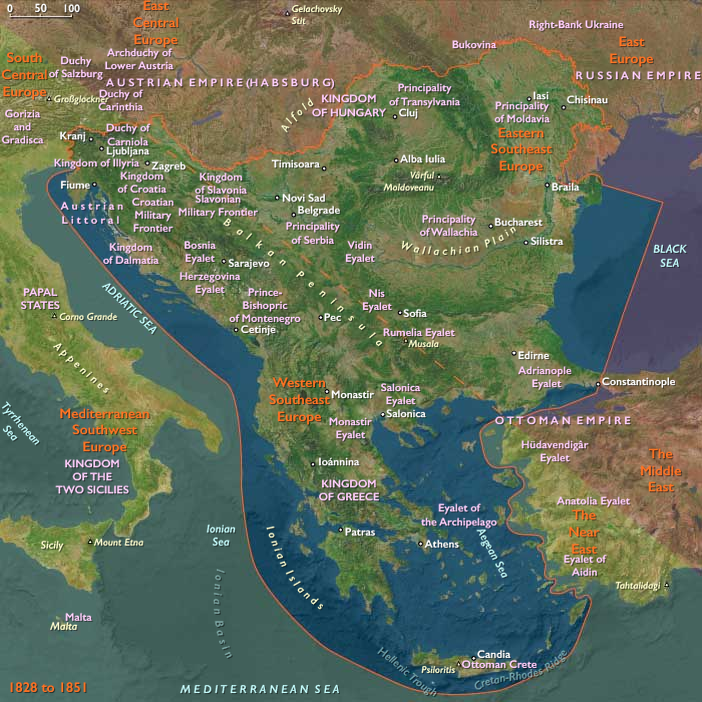
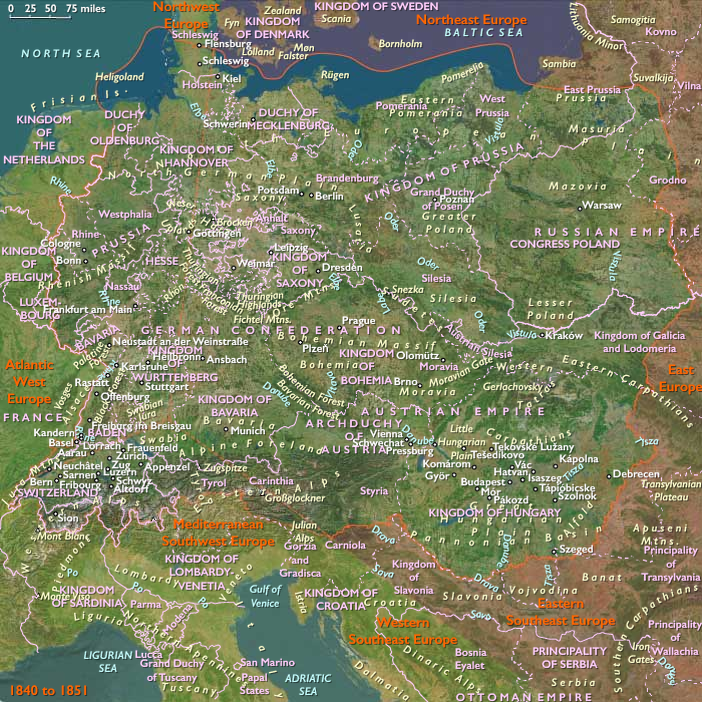
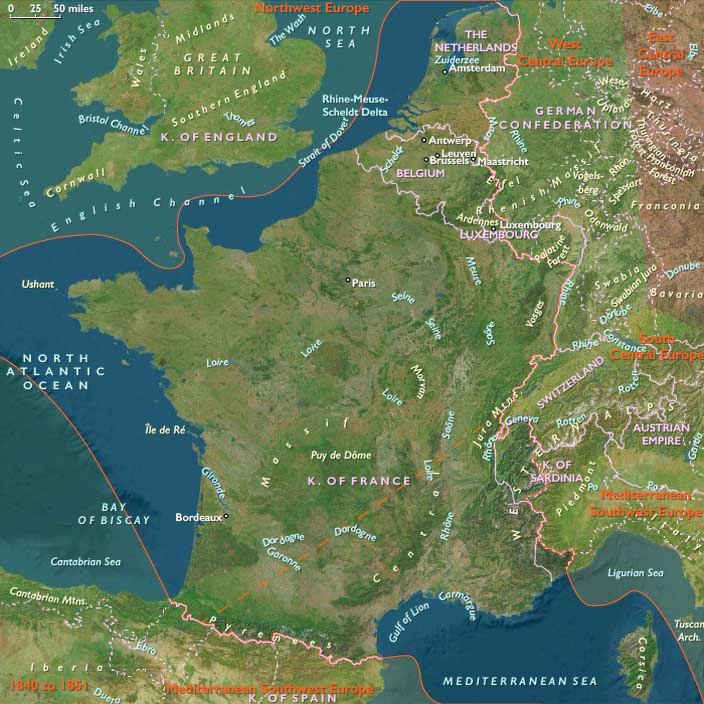
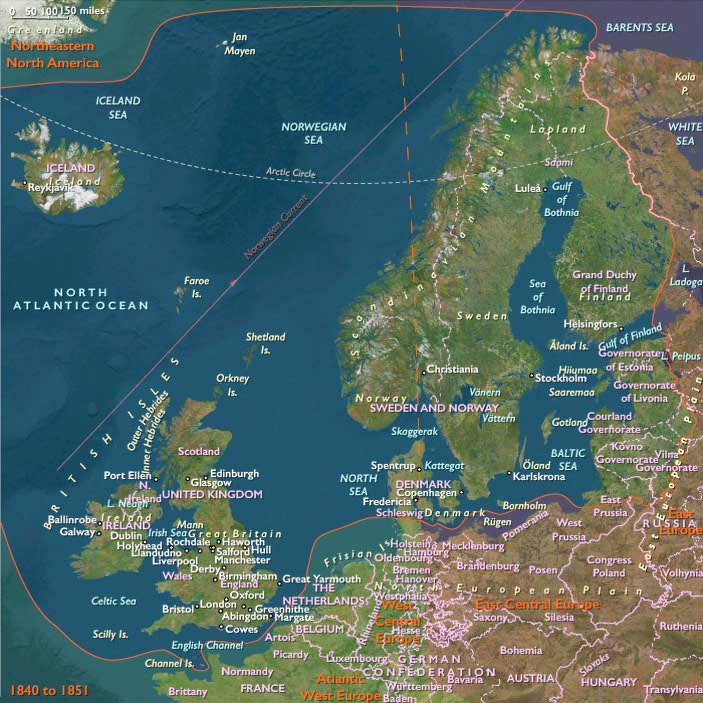

Subregions
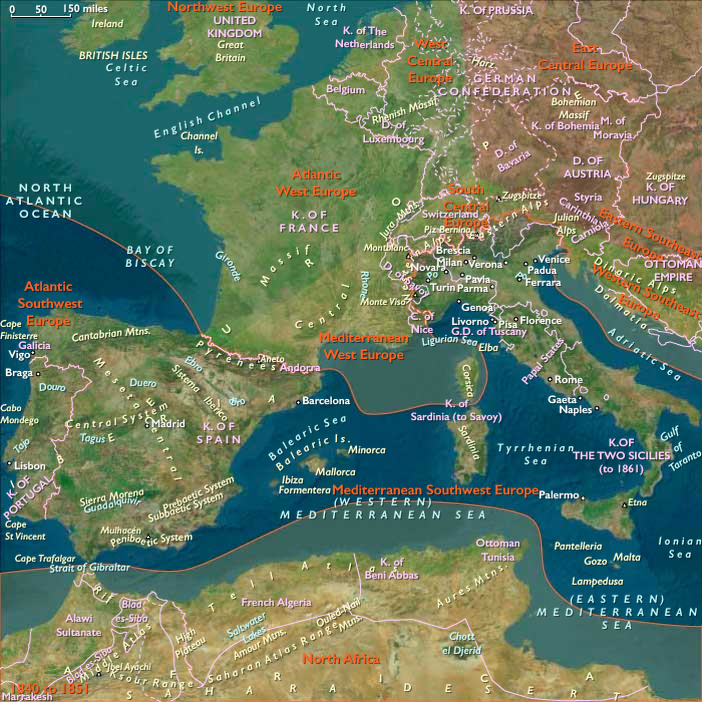
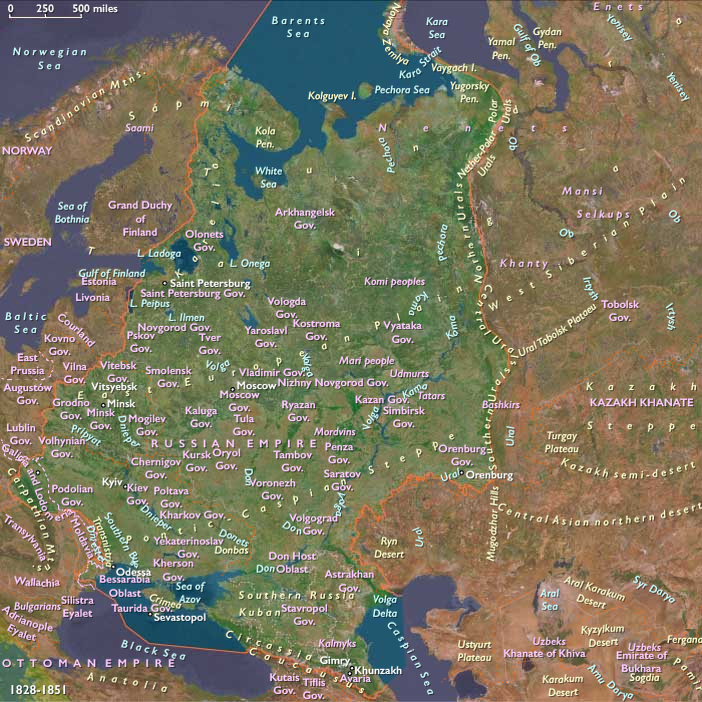
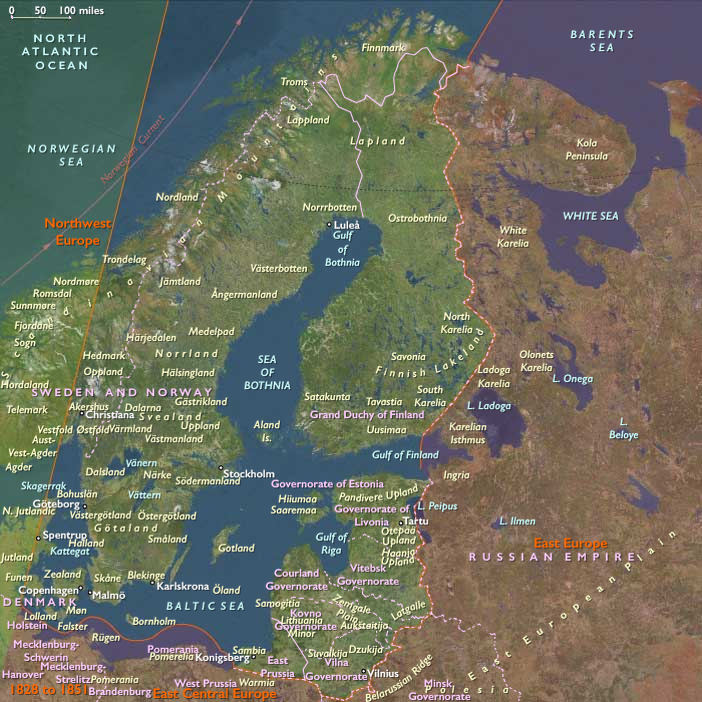
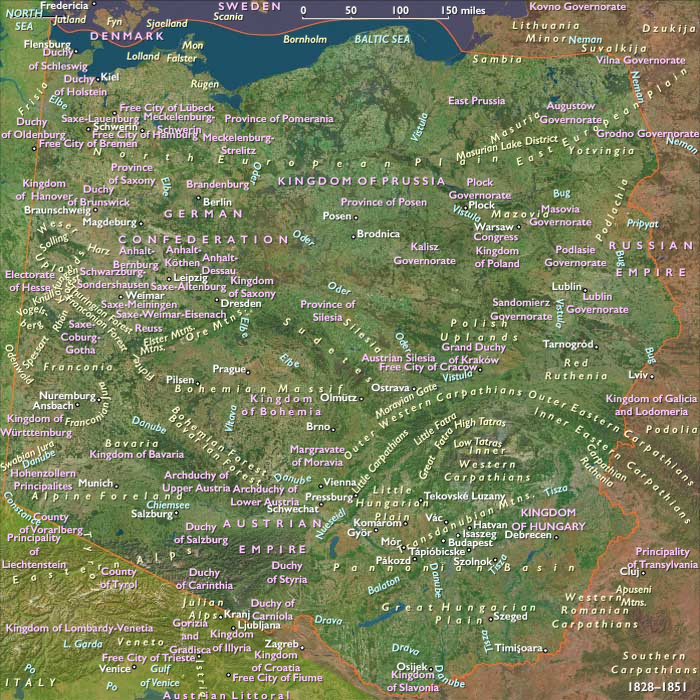
- East Europe
- Northeast Europe
- East Central Europe
- Eastern Southeast Europe
- Western Southeast Europe
- South Central Europe
- Mediterranean Southwest Europe
- Atlantic Southwest Europe
- Atlantic West Europe
- West Central Europe
- Northwest Europe
Related Events
Showing 10 events out of 10 total
Years: 1847 - 1847
Topics
Commodoties
Subjects
Regions
Subregions
- East Europe
- Northeast Europe
- East Central Europe
- Eastern Southeast Europe
- Western Southeast Europe
- South Central Europe
- Mediterranean Southwest Europe
- Atlantic Southwest Europe
- Atlantic West Europe
- West Central Europe
- Northwest Europe