
Filters:
The Rise of Bronze Metallurgy and the …
Years: 2637BCE - 910BCE
The Rise of Bronze Metallurgy and the Beginning of the Bronze Age (c. 2637 BCE)
The Bronze Age marks a transformative period in human technological and social development, characterized by the widespread use of bronze, an alloy of copper and tin typically mixed in a 10:1 ratio. This shift led to major advancements in toolmaking, weaponry, and ornamentation, gradually replacing stone tools and setting the stage for urbanization and state formation.
The Traditional Dating of the Bronze Age
- The beginning of the Bronze Age is traditionally dated to 2637 BCE, corresponding to the first year of the Chinese calendar.
- However, regional variations in bronze metallurgy suggest that bronze production emerged independently in different parts of the world at different times.
Key Developments During the Bronze Age
-
Metallurgical Innovation:
- The discovery of copper-tin alloying allowed for the creation of stronger, more durable tools and weapons.
- Bronze had a lower melting point than pure copper, making it easier to cast into complex shapes.
-
Widespread Use in Tools, Weapons, and Ornaments:
- Bronze swords, axes, and spearheads revolutionized warfare and hunting.
- Plows and agricultural tools improved farming efficiency, boosting food production.
- Jewelry and ceremonial artifacts became symbols of status and wealth.
-
Urbanization and the Growth of Early States:
- The development of metallurgy spurred trade networks, as tin and copper had to be sourced from different regions.
- Societies became more hierarchical, with metal production controlled by ruling elites and specialized artisans.
- The emergence of writing systems (e.g., Sumerian cuneiform, Egyptian hieroglyphs) coincided with the growth of early civilizations in Mesopotamia, Egypt, the Indus Valley, and China.
The Transition to the Iron Age
- The Bronze Age lasted for over seventeen centuries, until the rise of iron metallurgy, which gradually replaced bronze in toolmaking and warfare.
- Iron was more abundant than tin, making it a more sustainable and widely available material.
- The Iron Age ushered in new technological and military developments, further advancing human civilization.
The Bronze Age was a crucial turning point in prehistory, fostering technological progress, social complexity, and economic expansion, shaping the foundations of many early civilizations that would influence the course of human history.
Topics
- Early Bronze Age III (Near and Middle East)
- Early Bronze Age IV (Near and Middle East)
- Bronze Age China
- Middle Bronze Age I (Near and Middle East)
- Middle Bronze Age II A (Near and Middle East)
- Middle Bronze Age II B (Near and Middle East)
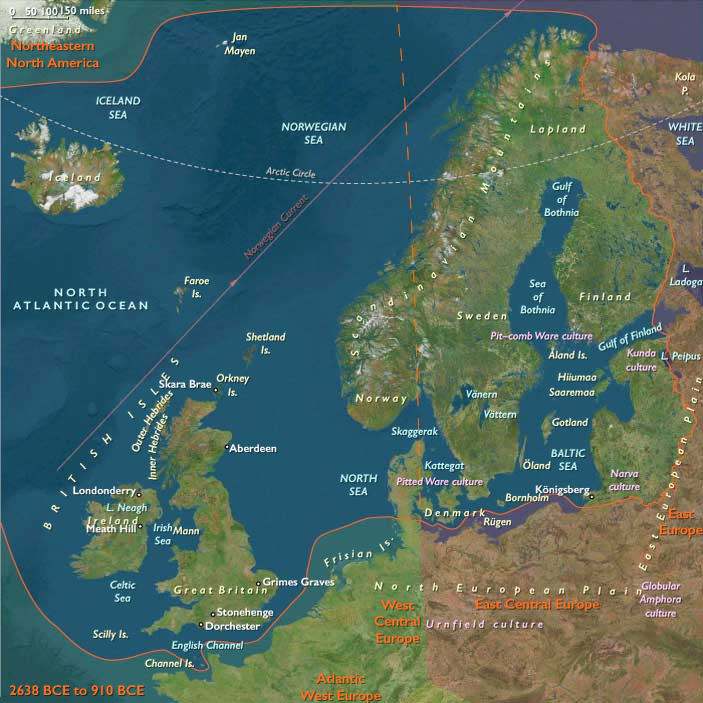
- Nordic Bronze Age
- Middle Bronze Age II C (Near and Middle East)
- Late Bronze Age I and II A (Near and Middle East)
- Atlantic Bronze Age
Commodoties
Subjects
Regions
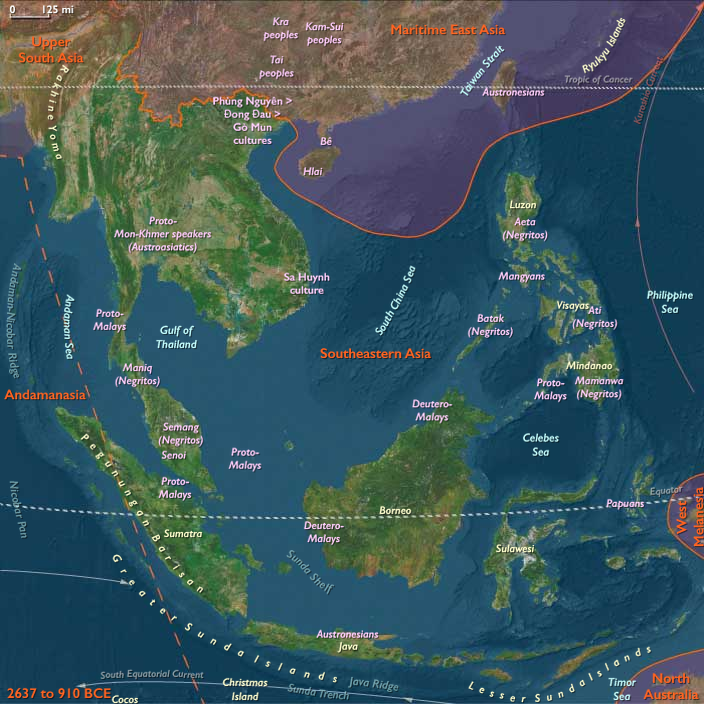
- Southeast Asia
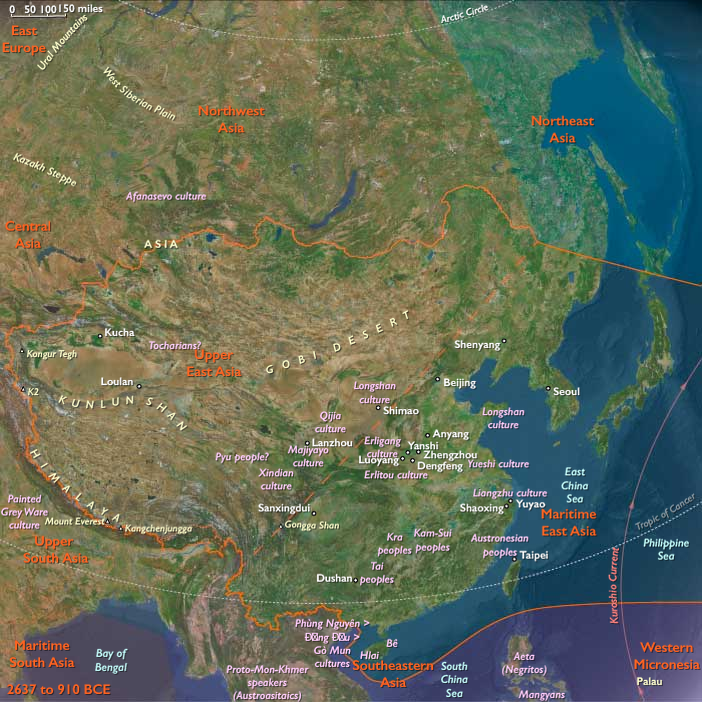
- East Asia
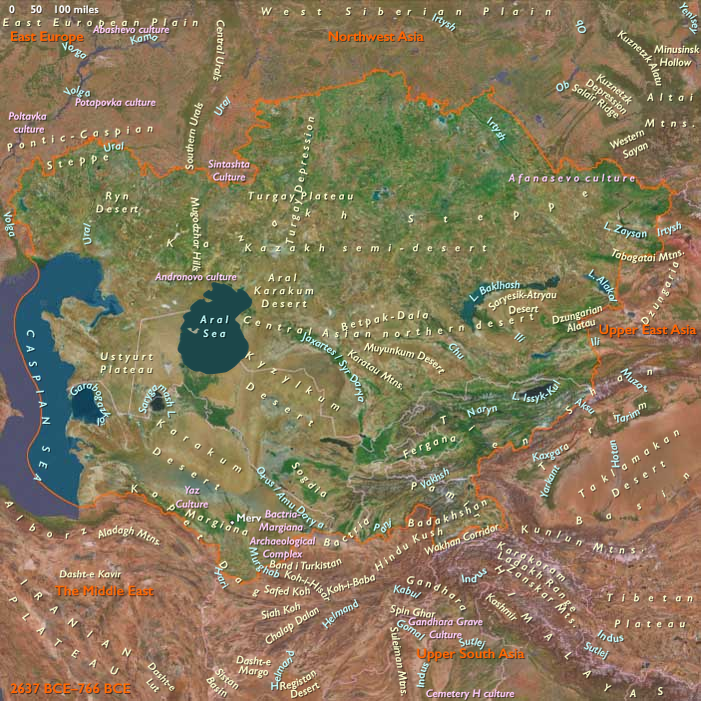
- Central Asia
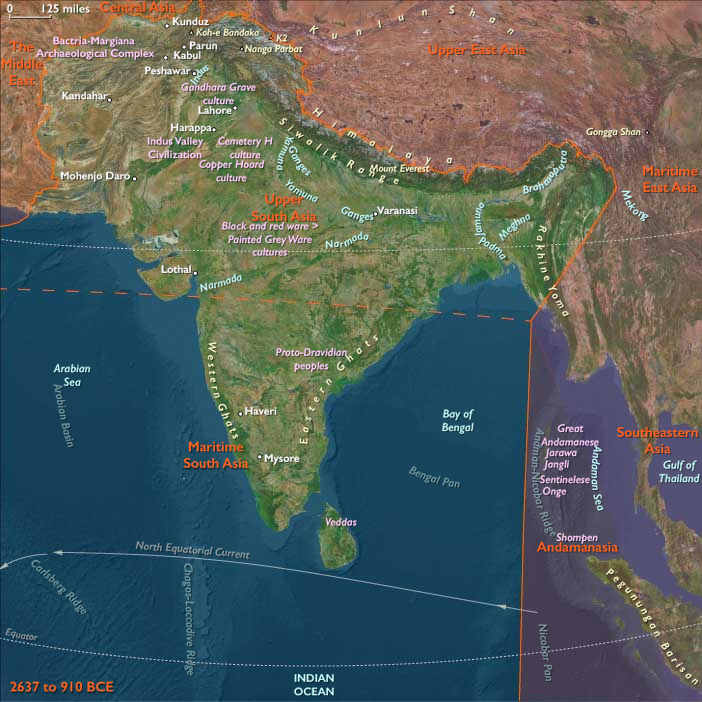
- South Asia
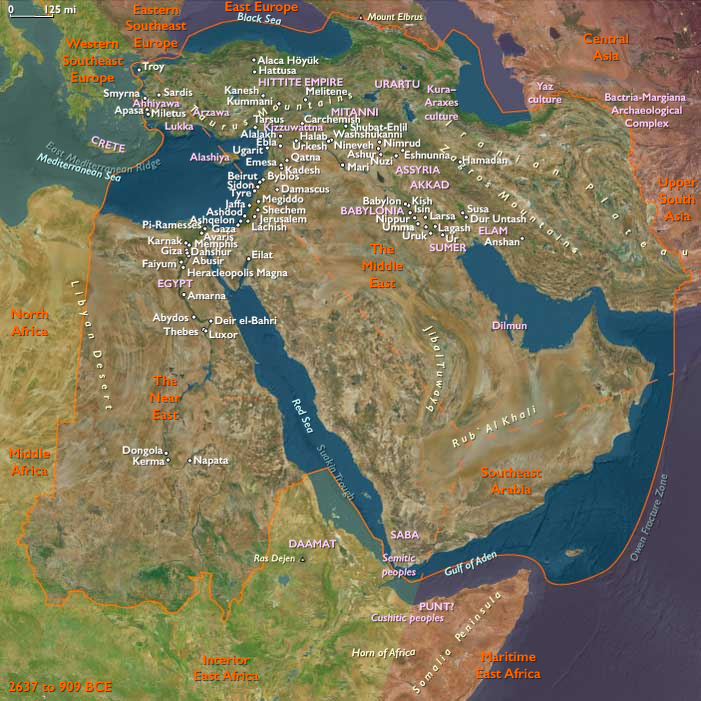
- The Near and Middle East
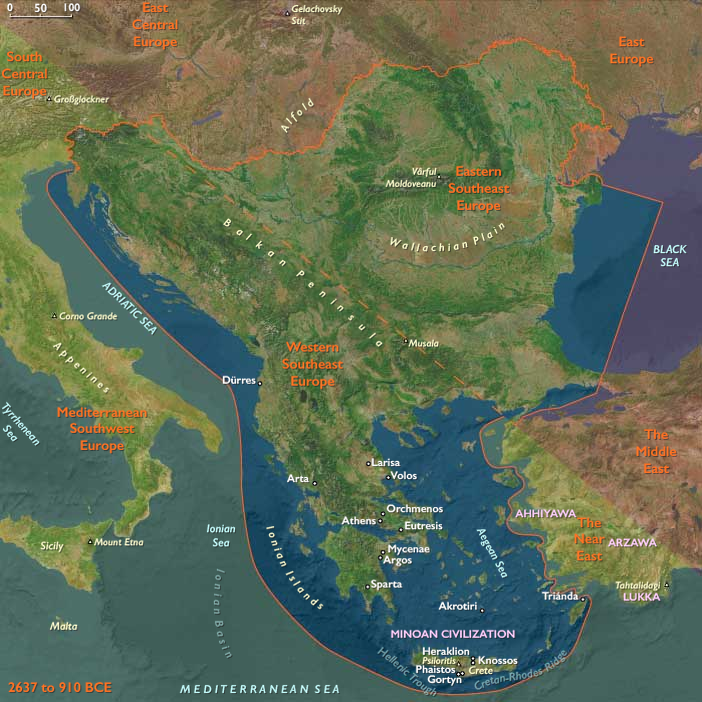
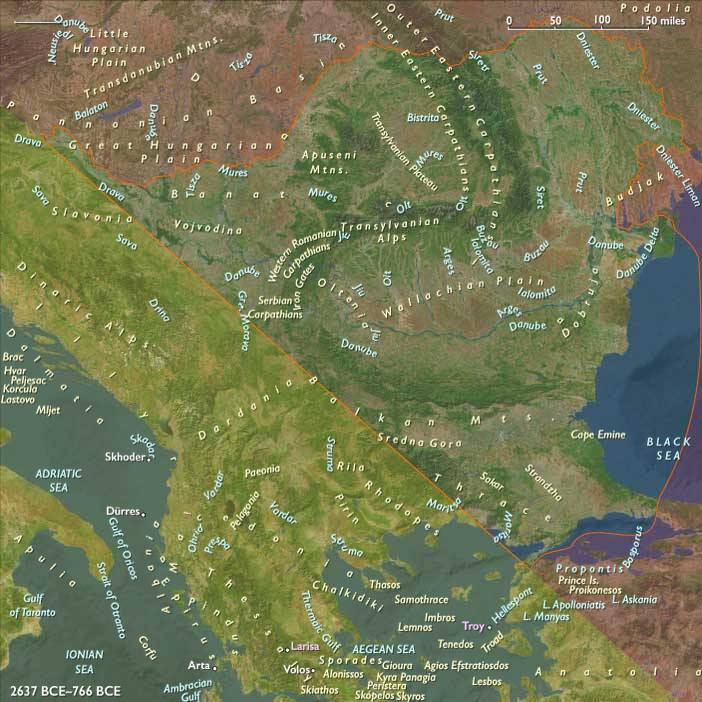
- Southeast Europe
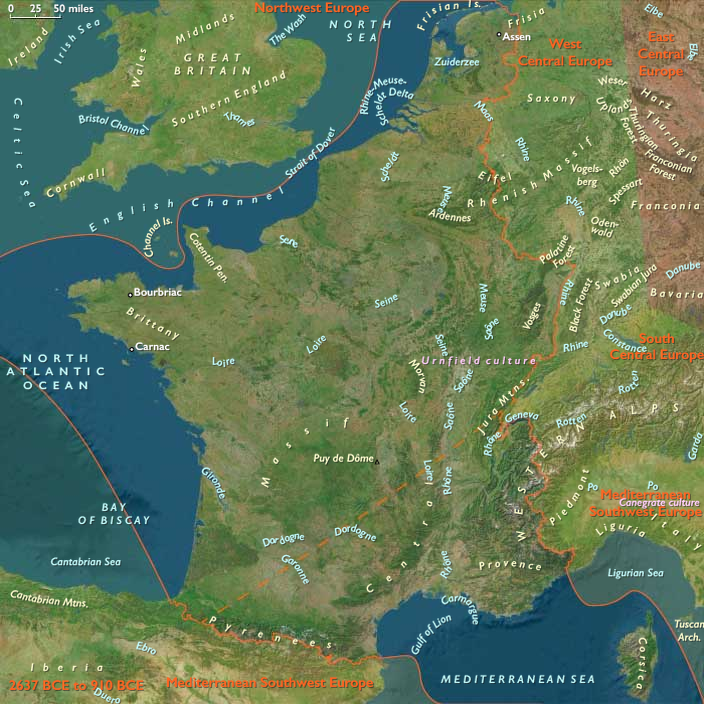
- West Europe
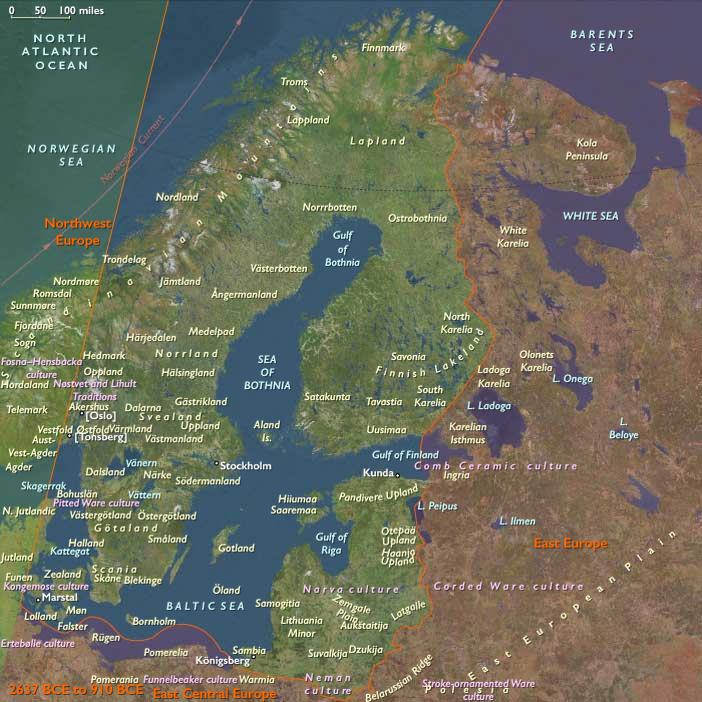
- North Europe
- North Africa
- Southwest Europe
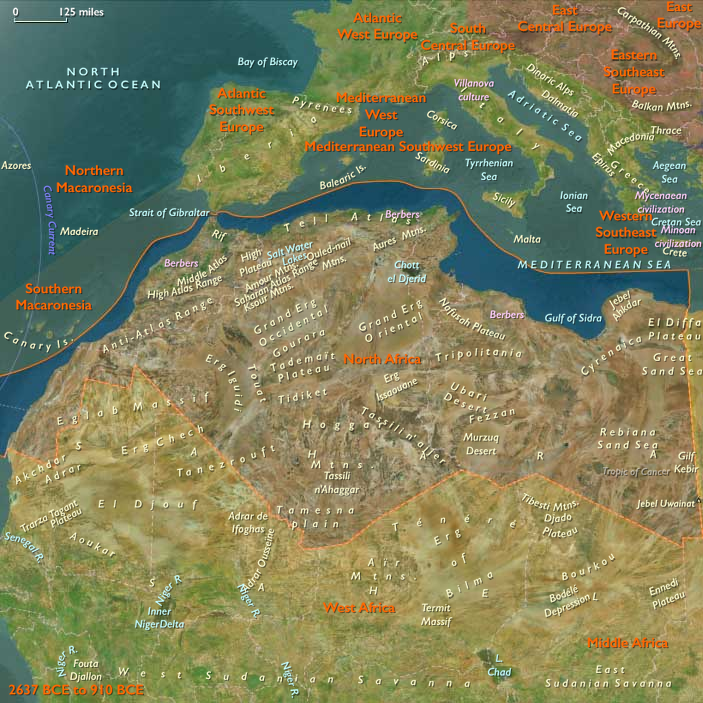
Subregions
- Northeast Europe
- Eastern Southeast Europe
- Middle East
- Upper South Asia
- Near East
- Western Southeast Europe
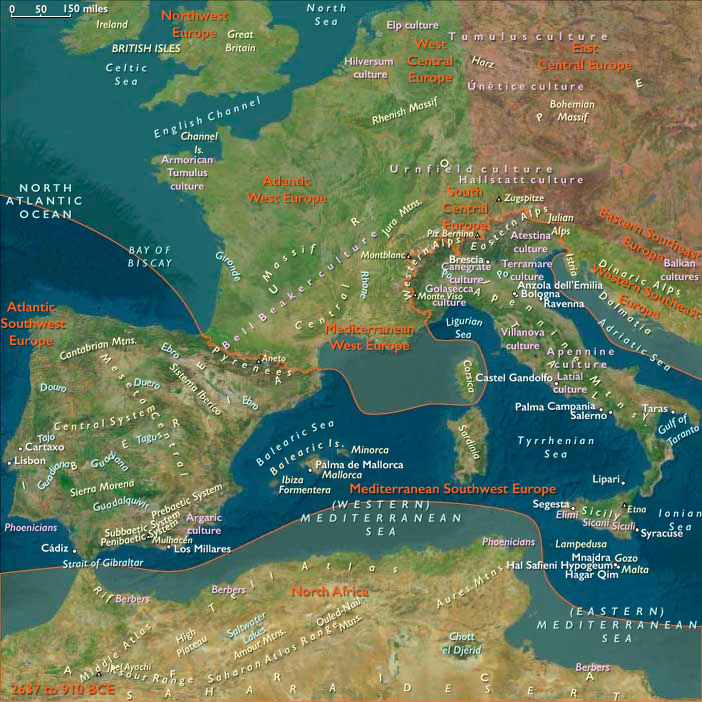
- Mediterranean West Europe
- Mediterranean Southwest Europe
- North Africa
- Atlantic Southwest Europe
- Atlantic West Europe
- Northwest Europe
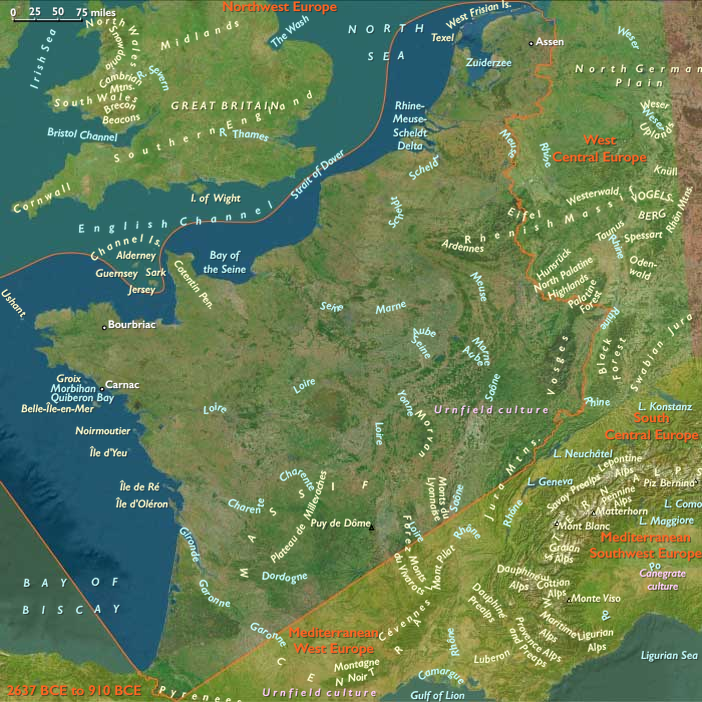
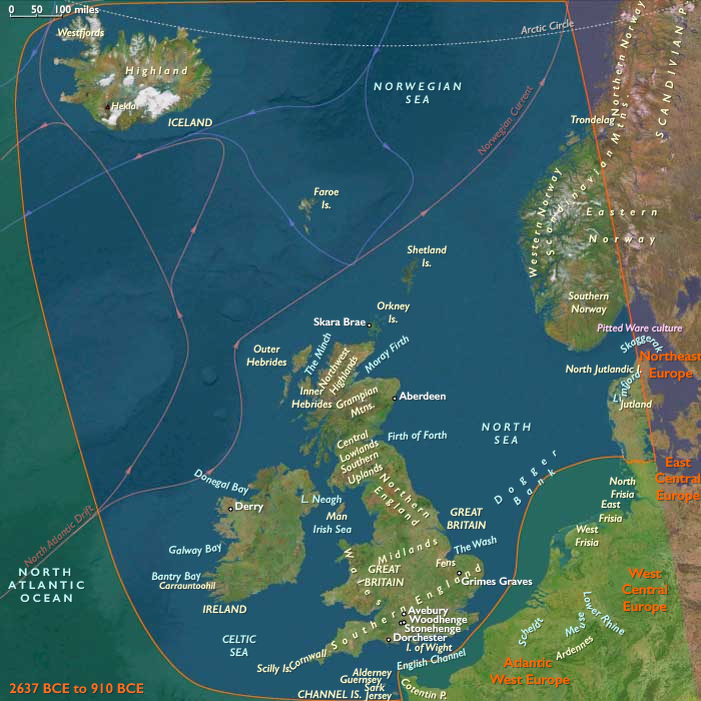
Years: 2637BCE - 910BCE
Topics
- Early Bronze Age III (Near and Middle East)
- Early Bronze Age IV (Near and Middle East)
- Bronze Age China
- Middle Bronze Age I (Near and Middle East)
- Middle Bronze Age II A (Near and Middle East)
- Middle Bronze Age II B (Near and Middle East)
- Nordic Bronze Age
- Middle Bronze Age II C (Near and Middle East)
- Late Bronze Age I and II A (Near and Middle East)
- Atlantic Bronze Age
Commodoties
Subjects
Regions
- Southeast Asia
- East Asia
- Central Asia
- South Asia
- The Near and Middle East
- Southeast Europe
- West Europe
- North Europe
- North Africa
- Southwest Europe
Subregions
- Northeast Europe
- Eastern Southeast Europe
- Middle East
- Upper South Asia
- Near East
- Western Southeast Europe
- Mediterranean West Europe
- Mediterranean Southwest Europe
- North Africa
- Atlantic Southwest Europe
- Atlantic West Europe
- Northwest Europe