
Filters:
The 1383–1385 Crisis: Portugal's Struggle for Independence …
Years: 1384 - 1384
The 1383–1385 Crisis: Portugal's Struggle for Independence
By the late 14th century, Europe was in a state of crisis, plagued by the Hundred Years' War, the Black Death, and widespread famine. In Portugal, the situation was no different—following the death of King Ferdinand I in October 1383, the kingdom faced a dynastic and national crisis that threatened its independence from Castile.
The Treaty of Salvaterra de Magos and Portuguese Discontent (1383)
- In April 1383, King Ferdinand I had signed the Treaty of Salvaterra de Magos with John I of Castile, ensuring that:
- Princess Beatrice, Ferdinand’s only child, would marry John I of Castile.
- The Portuguese Crown would pass to their descendants, effectively setting the stage for a dynastic union with Castile.
- The treaty excluded the Portuguese nobility and merchants from negotiations, enraging the population and fueling fears that Portugal would be absorbed into Castile.
- With no undisputed heir, Portugal entered an interregnum (1383–1385), with no recognized monarch.
The Assassination of Count Andeiro and the Rise of João of Aviz (December 1383)
- The first open act of rebellion occurred in December 1383, when João, Grand Master of the Order of Aviz(illegitimate son of Peter I of Portugal), led the assassination of Count João Fernandes Andeiro, a pro-Castilian noble.
- The merchants of Lisbon, outraged by Castilian influence, named João of Aviz "Rector and Defender of the Realm", making him the leader of the anti-Castilian resistance.
John I of Castile’s Invasion and the Portuguese Response (1384)
- John I of Castile refused to abandon his claim to the Portuguese throne and moved to secure power by forcing Queen Leonor Teles to abdicate.
- In April 1384, he launched a punitive expedition into Alentejo.
- His Castilian forces were met at the Battle of Atoleiros (April 1384) by a smaller Portuguese army led by Nuno Álvares Pereira, a brilliant general and loyal supporter of João of Aviz.
- Using English defensive tactics, Pereira’s well-positioned infantry repelled Castilian cavalry charges, reportedly without a single Portuguese casualty.
The Beginning of the Fight for Independence
- Though a tactical success, the Battle of Atoleiros did not end Castilian ambitions.
- John I of Castile prepared for a larger invasion, culminating in the siege of Lisbon (1384) and later, the Battle of Aljubarrota (1385), which would determine Portugal’s fate as an independent nation.
The 1383–1385 Crisis was more than just a succession dispute—it became a national struggle for Portugal’s sovereignty, ultimately leading to the rise of the House of Aviz and the consolidation of Portuguese independence.
Locations
People
- John I of Castile
- John I of Portugal
- John of Gaunt
- John, Duke of Valencia de Campos
- Philippa of Lancaster
- Richard II of England
Groups
- England, (Plantagenet, Angevin) Kingdom of
- Castile, Crown of
- France, (Valois) Kingdom of
- Portugal, Kingdom of
Topics
- Hundred Years' War
- Portuguese-Castilian Wars of 1369-88
- Hundred Years' War: Caroline phase
- 1383–1385 Portuguese interregnum
Commodoties
Subjects
Regions
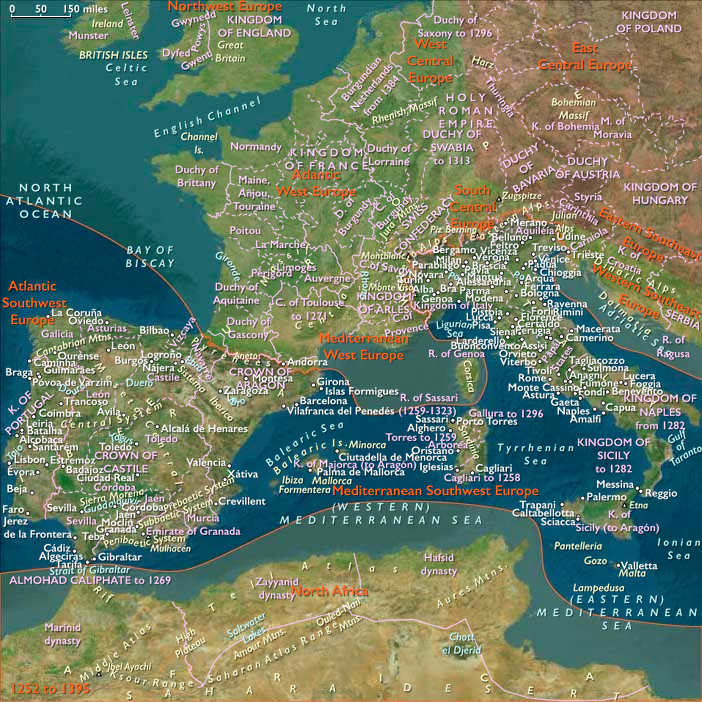
Subregions
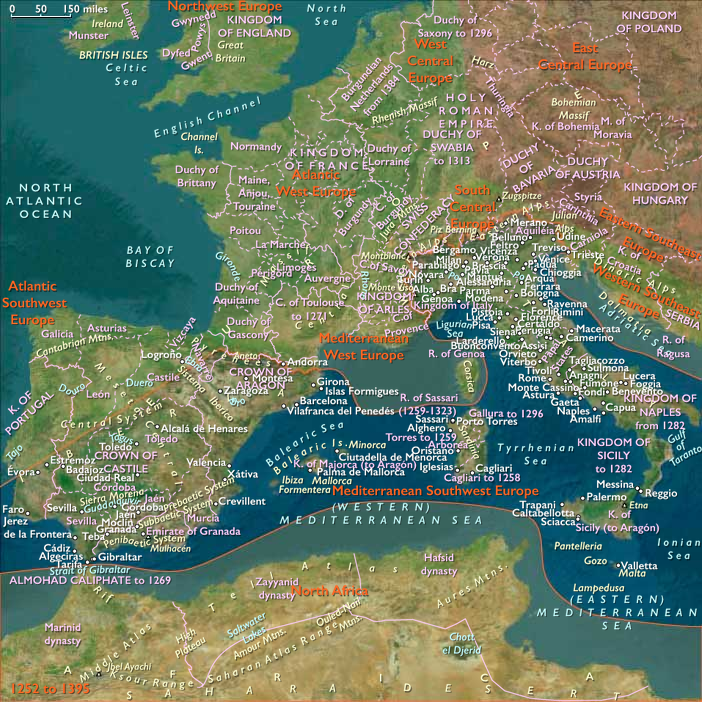
Related Events
Showing 1 events out of 1 total
Years: 1384 - 1384
Locations
People
- John I of Castile
- John I of Portugal
- John of Gaunt
- John, Duke of Valencia de Campos
- Philippa of Lancaster
- Richard II of England
Groups
- England, (Plantagenet, Angevin) Kingdom of
- Castile, Crown of
- France, (Valois) Kingdom of
- Portugal, Kingdom of
Topics
- Hundred Years' War
- Portuguese-Castilian Wars of 1369-88
- Hundred Years' War: Caroline phase
- 1383–1385 Portuguese interregnum
Commodoties
Subjects
Regions
Subregions