
The Emperor's bloody persecution of the Manichaeans …
Years: 692 - 692
The Emperor's bloody persecution of the Manichaeans and suppression of popular traditions of non-Orthodox origin has meanwhile caused dissension within the Church.
In 692, Justinian convenes the so-called Quinisext Council at Constantinople to to issue disciplinary decrees related to the second and third councils of Constantinople (held in 553 and 680-681).
Also called the Council in Trullo (after the palace hall in Constantinople where it meets), the Council expands and clarifies the rulings of the Fifth and Sixth ecumenical councils (hence the name Quinisext), but by highlighting differences between the Eastern and Western observances (such as the marriage of priests and the Roman practice of fasting on Saturdays), the council compromises imperial relations with the Roman Church.
The two ecumenical councils had dealt only with doctrinal matters.
The Quinisext Council, which officially accepts as normative the decretal letters of twelve Fathers of the Church, prepares 102 canons, many of which are directed against Western Church customs and legislation.
In collections called “Nomocanons,” the council also includes, with canons of councils, imperial laws having to do with church affairs.
The Western Church and the Pope are not represented at the council.
Justinian, however, wants the Pope as well as the Eastern bishops to sign the canons.
The emperor orders Pope Sergius I arrested, but the militias of Rome and Ravenna rebel and take the Pope's side.
The Quinisext Council lays the foundation for Orthodox Canon Law, but the canons will never be fully accepted by the Western Church.
Locations
People
Groups
- Arab people
- Manicheanism
- Slavs, South
- Christianity, Chalcedonian
- Rome, Duchy of
- Ravenna, Exarchate of
- Roman Empire, Eastern: Heraclian dynasty
- Armeniac Theme
- Armenia, Ostikanate of
- Umayyad Caliphate (Damascus)
- Bulgarian Empire (First)
Topics
- Migration Period
- Migration Period Pessimum
- Byzantine Papacy
- Arab-Byzantine Wars
- Azraqi Khariji Revolt against the Umayyad Caliphate
- Sebastopolis, Battle of
- Byzantine-Muslim War of 692-718
Commodoties
Subjects
- Commerce
- Environment
- Labor and Service
- Conflict
- Mayhem
- Faith
- Government
- Custom and Law
- Technology
- Movements
Regions
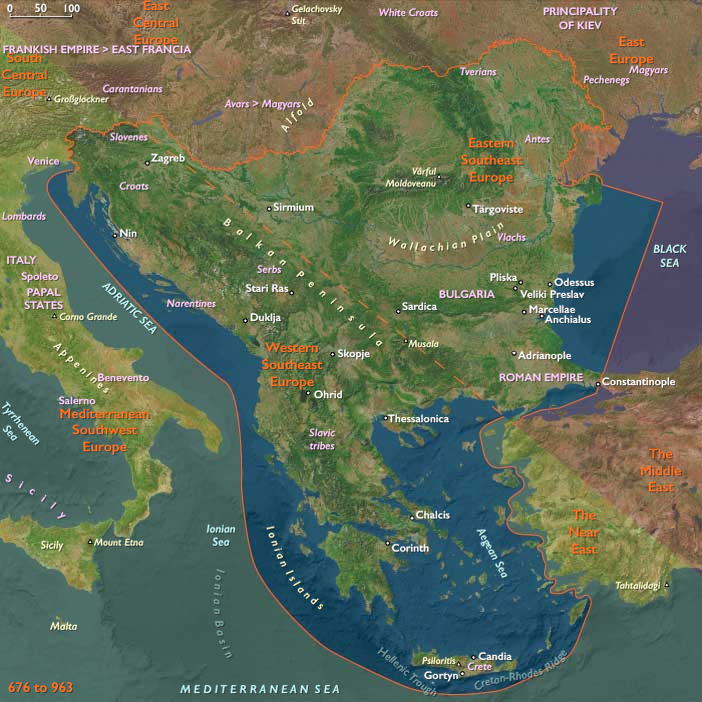
Subregions
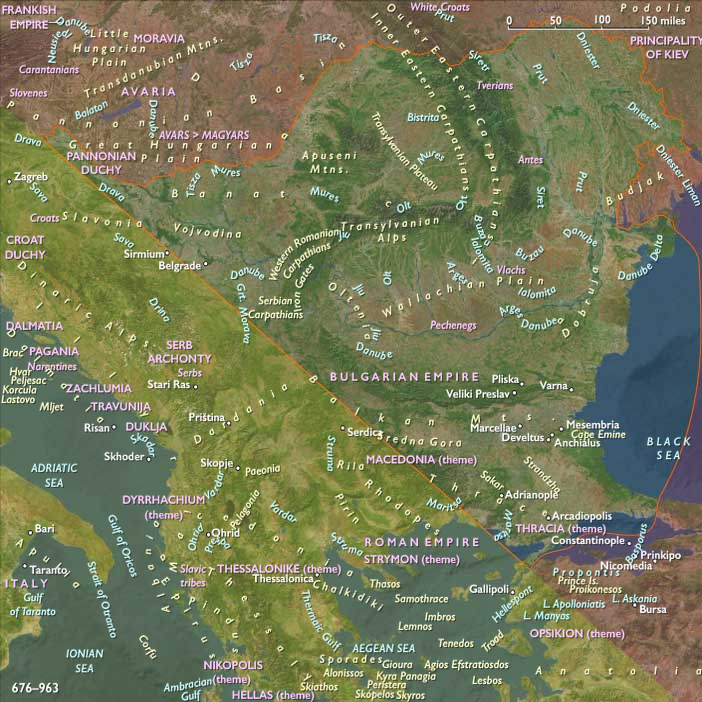
Related Events
Showing 10 events out of 55932 total
Years: 692 - 692
Locations
People
Groups
- Arab people
- Manicheanism
- Slavs, South
- Christianity, Chalcedonian
- Rome, Duchy of
- Ravenna, Exarchate of
- Roman Empire, Eastern: Heraclian dynasty
- Armeniac Theme
- Armenia, Ostikanate of
- Umayyad Caliphate (Damascus)
- Bulgarian Empire (First)
Topics
- Migration Period
- Migration Period Pessimum
- Byzantine Papacy
- Arab-Byzantine Wars
- Azraqi Khariji Revolt against the Umayyad Caliphate
- Sebastopolis, Battle of
- Byzantine-Muslim War of 692-718
Commodoties
Subjects
- Commerce
- Environment
- Labor and Service
- Conflict
- Mayhem
- Faith
- Government
- Custom and Law
- Technology
- Movements
Regions
Subregions