
Filters:
The Uncertain Transition …
Years: 1840 - 1851
Groups
- Abyssinia (also called "Mecca and Medina"), Ottoman eyalet of
- Russian Empire
- United States of America (US, USA) (Washington DC)
- Britain (United Kingdom of Great Britain and Ireland)
- France, constitutional monarchy of
Topics
Subjects
Regions
- South Asia
- The Near and Middle East
- Southeast Europe
- Central Europe
- West Europe
- North Europe
- Northeastern Eurasia
- North Africa
- Southwest Europe
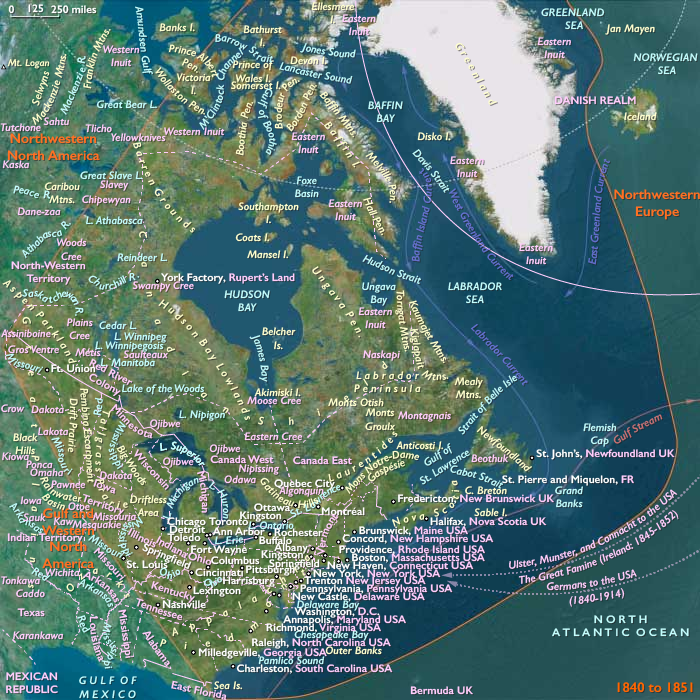
- Northern North America
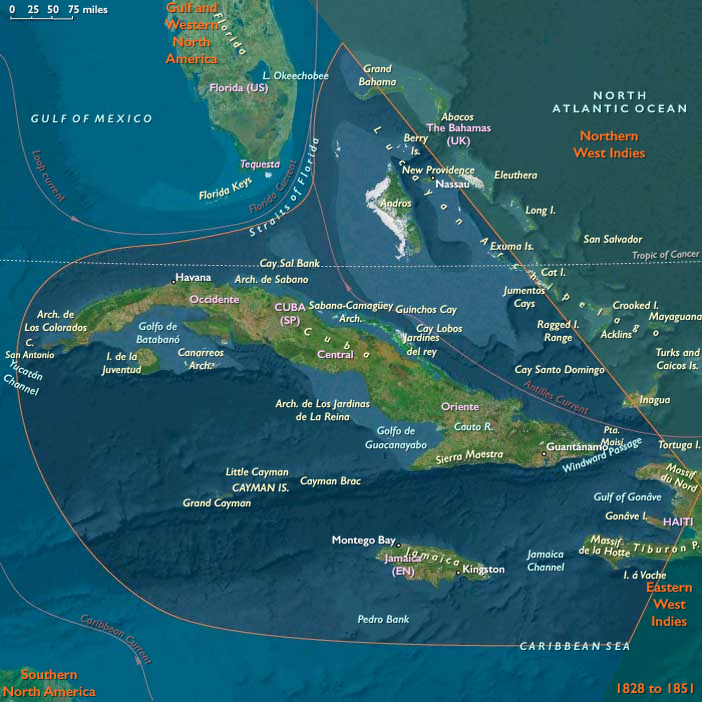
- West Indies
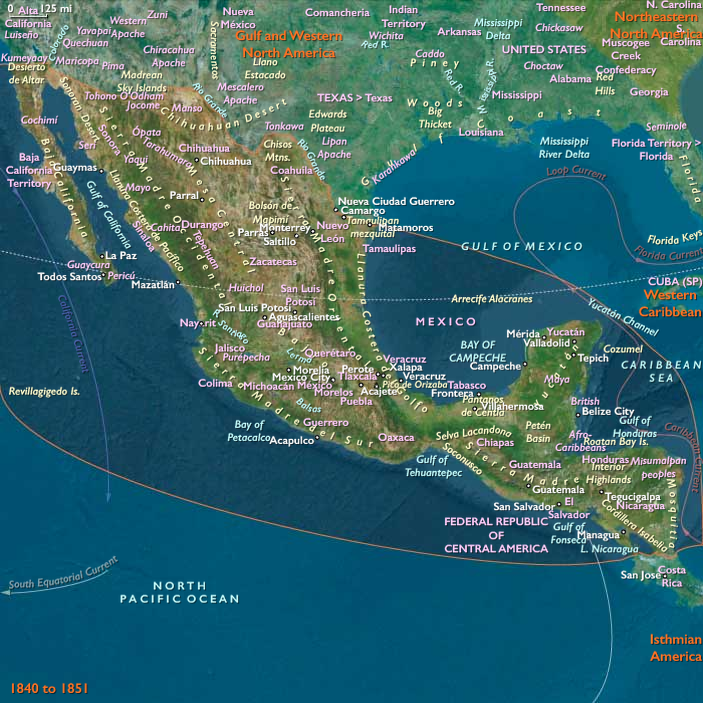
- Middle America
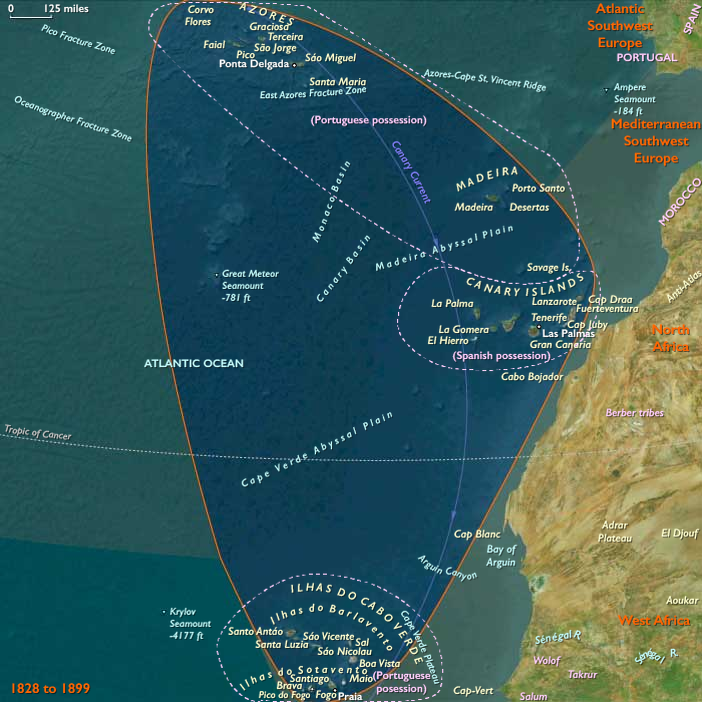
- Macaronesia
Subregions
- Northeast Europe
- East Central Europe
- Eastern Southeast Europe
- Middle East
- Upper South Asia
- Near East
- Western Southeast Europe
- South Central Europe
- Mediterranean West Europe
- North Africa
- Southern Macaronesia
- Northern Macaronesia
- Atlantic Southwest Europe
- Atlantic West Europe
- West Central Europe
- Northwest Europe
- Northeastern North America
- Western West Indies
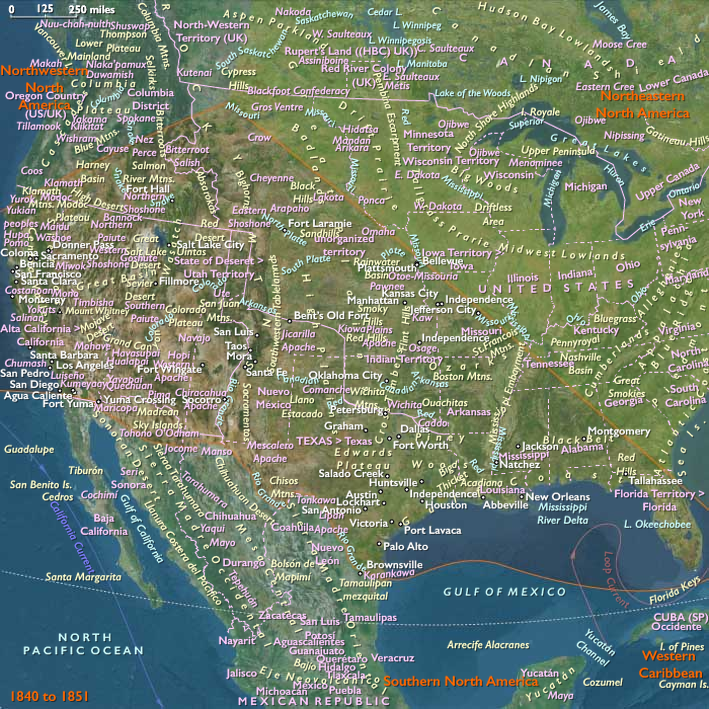
- Southern North America
- Gulf and Western North America

Years: 1840 - 1851
Groups
- Abyssinia (also called "Mecca and Medina"), Ottoman eyalet of
- Russian Empire
- United States of America (US, USA) (Washington DC)
- Britain (United Kingdom of Great Britain and Ireland)
- France, constitutional monarchy of
Topics
Subjects
Regions
- South Asia
- The Near and Middle East
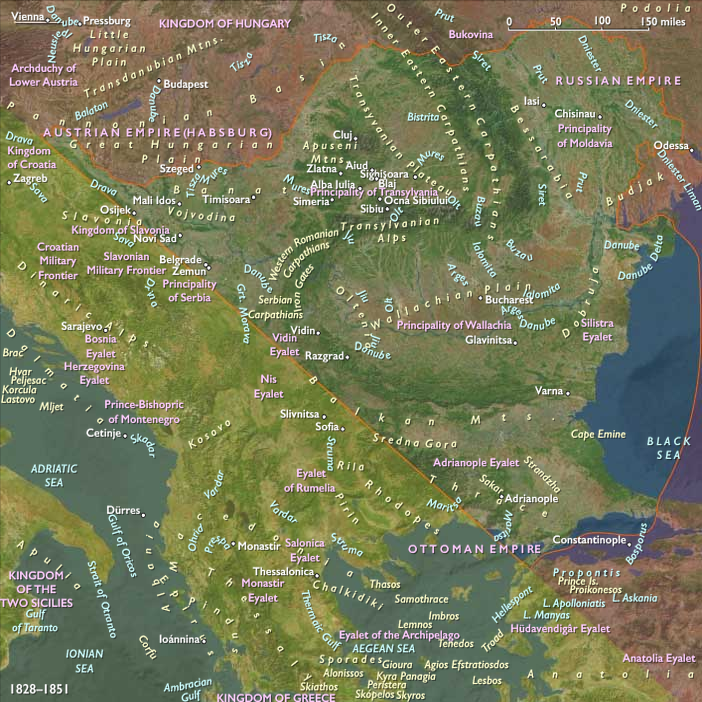
- Southeast Europe
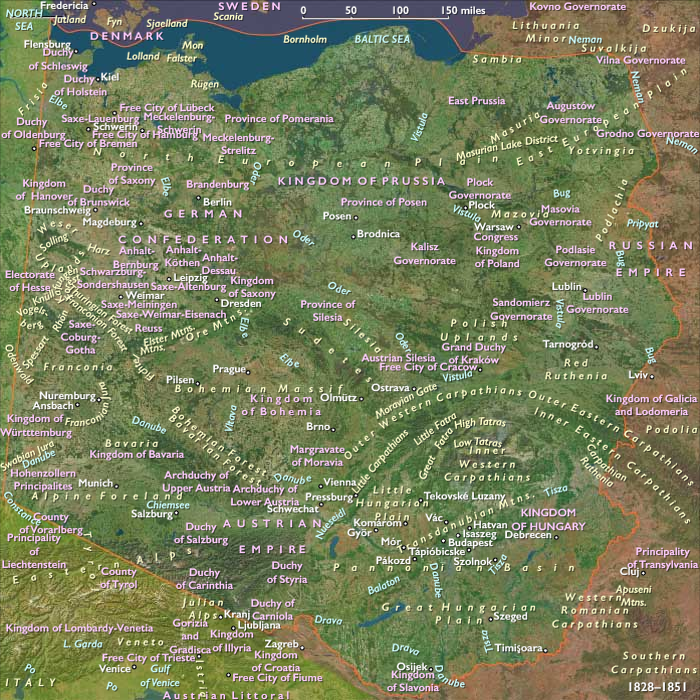
- Central Europe
- West Europe
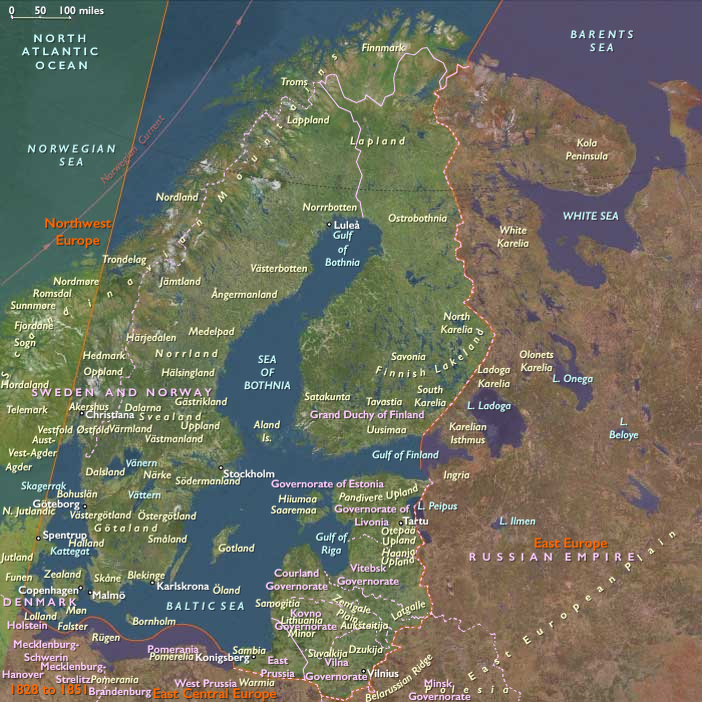
- North Europe
- Northeastern Eurasia
- North Africa
- Southwest Europe
- Northern North America
- West Indies
- Middle America
- Macaronesia
Subregions
- Northeast Europe
- East Central Europe
- Eastern Southeast Europe
- Middle East
- Upper South Asia
- Near East
- Western Southeast Europe
- South Central Europe
- Mediterranean West Europe
- North Africa
- Southern Macaronesia
- Northern Macaronesia
- Atlantic Southwest Europe
- Atlantic West Europe
- West Central Europe
- Northwest Europe
- Northeastern North America
- Western West Indies
- Southern North America
- Gulf and Western North America