
The Aftermath of the 8.2-Kiloyear Event and …
Years: 6093BCE - 4366BCE
The Aftermath of the 8.2-Kiloyear Event and the Return to the Atlantic Period (c. 6000 BCE)
As the effects of the 8.2-kiloyear event subsided, climatic conditions in Europe gradually stabilized, returning to those of the Atlantic Period—the warmest and most humid phase of the Holocene. This shift brought warmer temperatures, expanded forests, and increased biodiversity, creating more favorable conditions for early human societies.
Rising Sea Levels and Environmental Transformations
Meanwhile, the global rise in sea levels continued, reshaping coastlines and altering human settlement patterns:
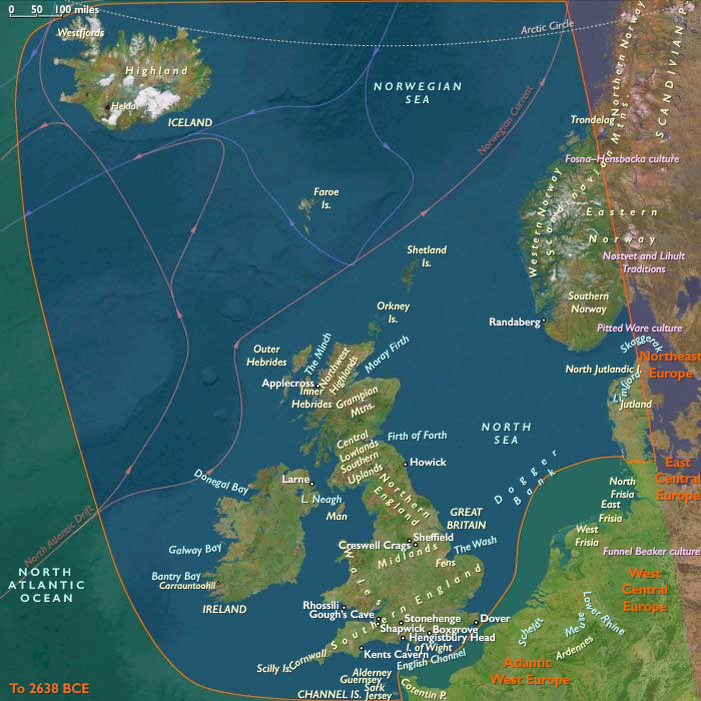
- By 6000 BCE, sea levels had nearly reached their present height, flooding low-lying areas and creating new maritime and riverine environments.
- Formerly habitable regions became submerged, contributing to massive inland flooding in parts of Europe, Asia, and the Americas.
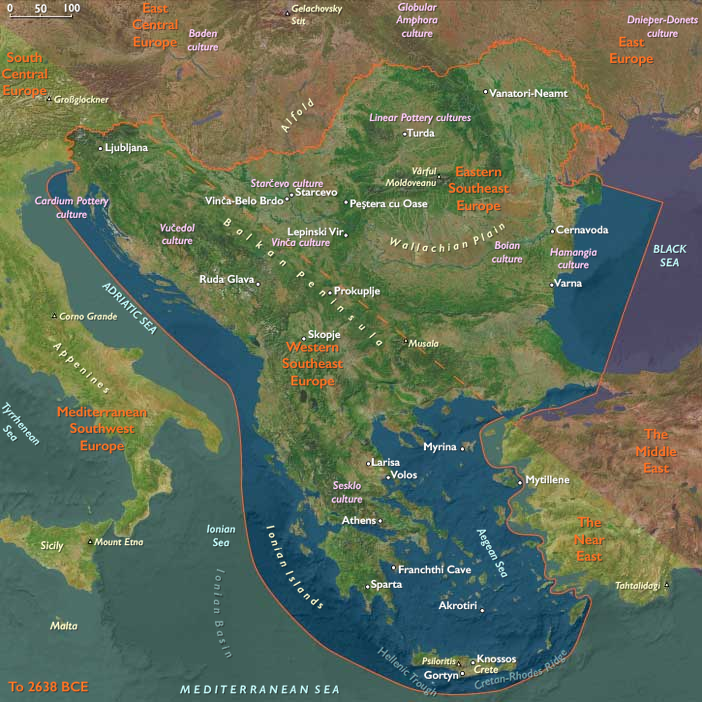
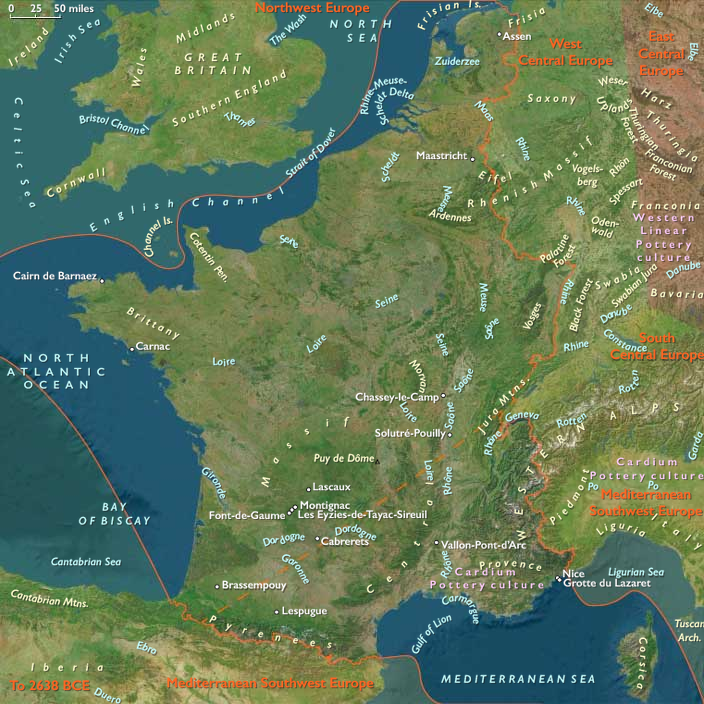
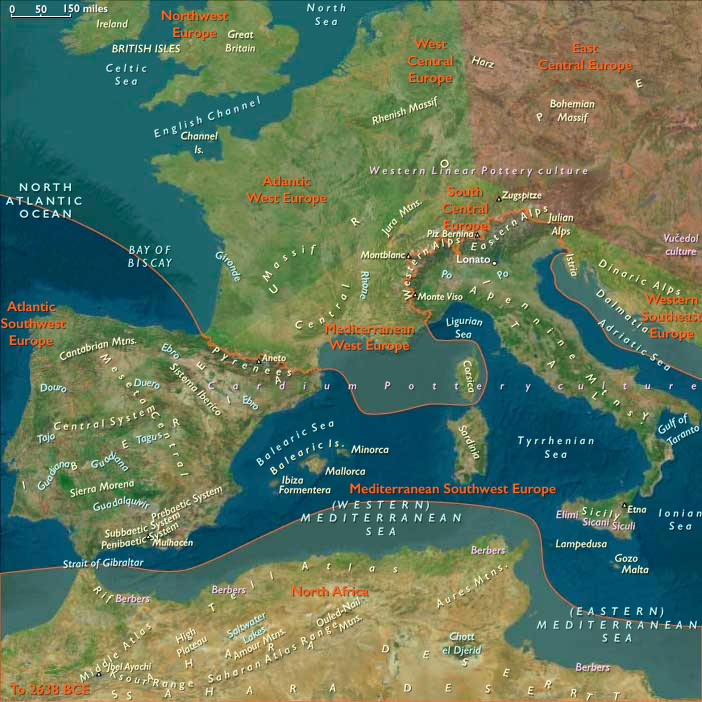
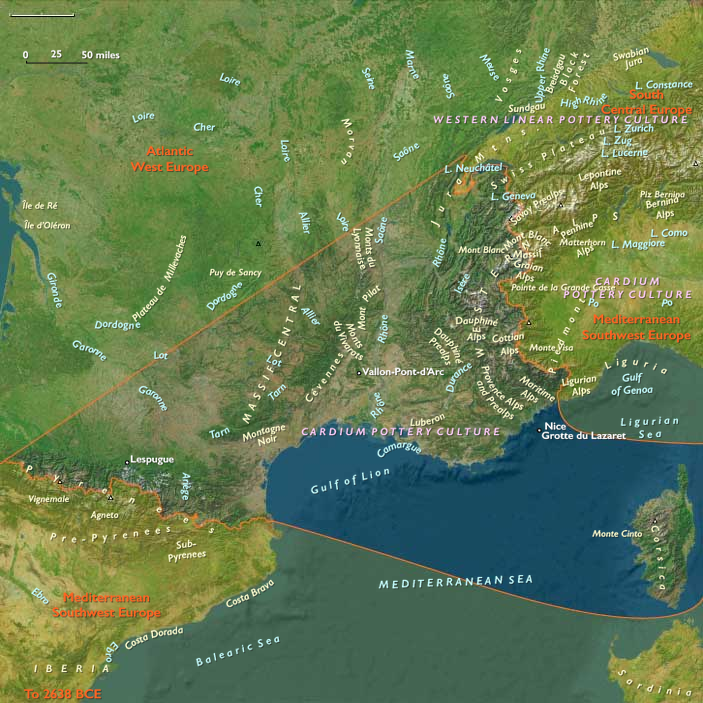
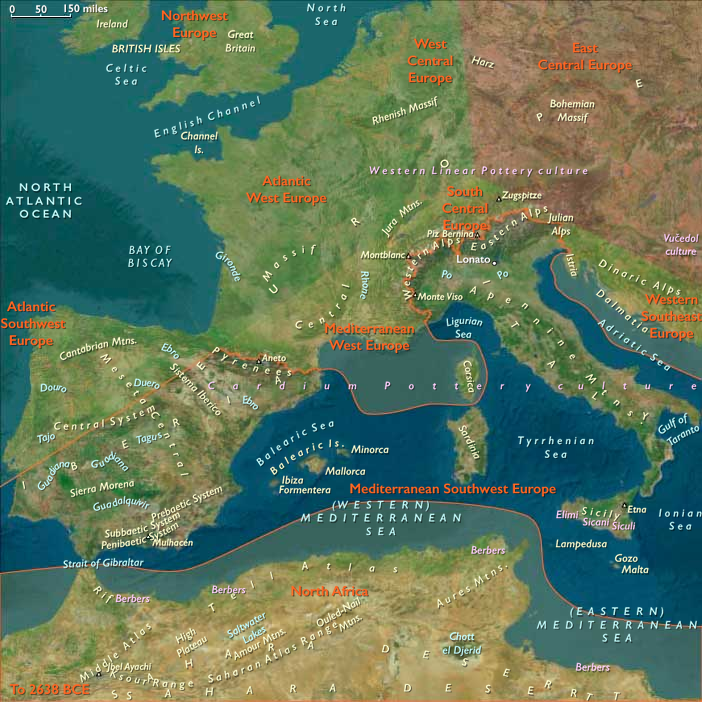
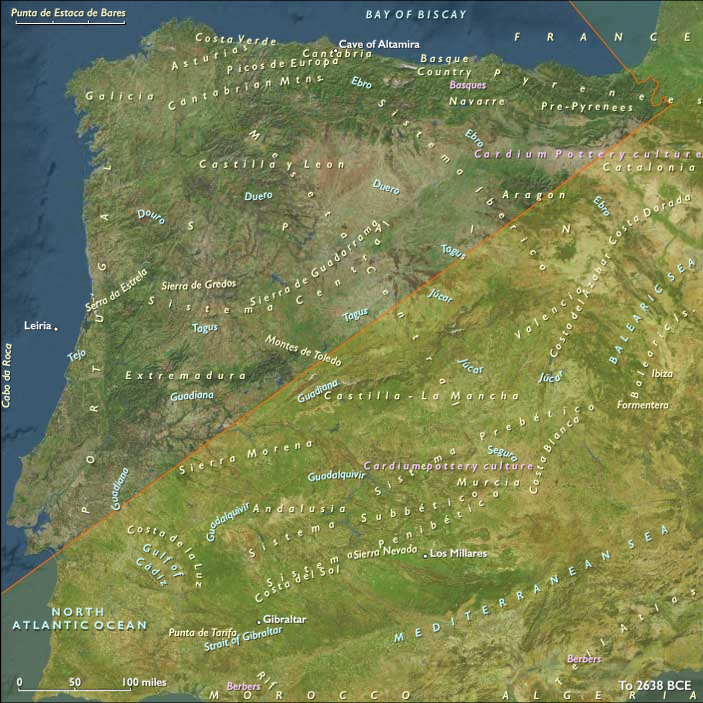
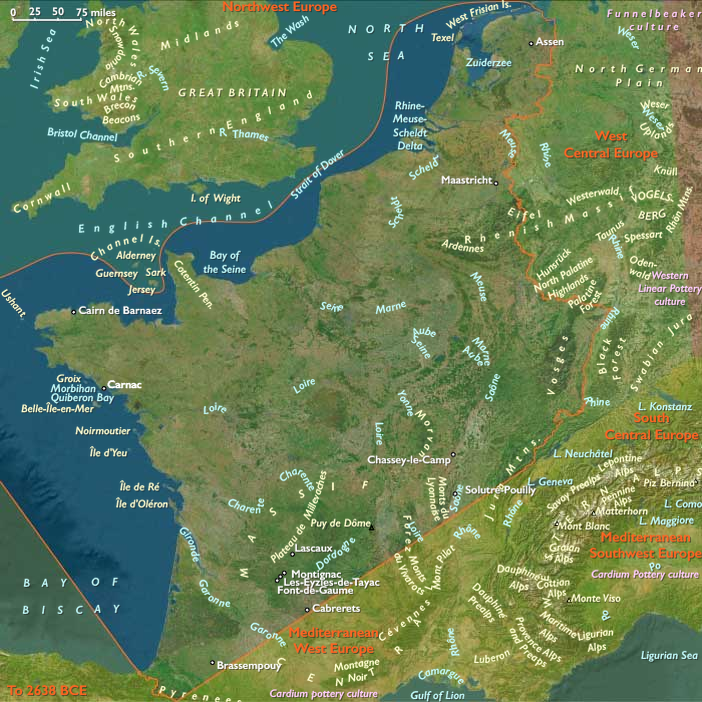
- The flooding of the Persian Gulf and the North Sea basin created modern coastal landscapes, such as the English Channel and the Black Sea's transformation into a larger body of water.
Impact on Human Development
As landscapes evolved, human societies adapted by developing regionally distinct cultures:
- In Europe, denser forests and temperate conditions encouraged permanent settlements, agriculture, and early trade networks.
- In Mesopotamia and the Nile Valley, rising waters contributed to fertile floodplains, paving the way for early irrigation-based civilizations.
- In coastal regions, new marine ecosystems promoted fishing and seafaring traditions, fostering maritime trade and cultural exchanges.
This post-glacial stabilization marked a turning point in human history, as regional differentiation in environmental conditions led to the emergence of diverse social, economic, and technological advancements across the globe.
Topics
- Neolithic Revolution
- Mesolithic Europe
- Neolithic Europe
- Aurolithic Epoch, or “Gold” Ages
- Atlantic Period during the Neolithic Subpluvial
- Chalcolithic Epoch, or Copper Ages
- Older Peron Transgression during the Neolithic Subpluvial
Subjects
Regions
Subregions
- East Europe
- Northeast Europe
- Eastern Southeast Europe
- Western Southeast Europe
- Mediterranean West Europe
- Mediterranean Southwest Europe
- Atlantic Southwest Europe
- Atlantic West Europe
- Northwest Europe
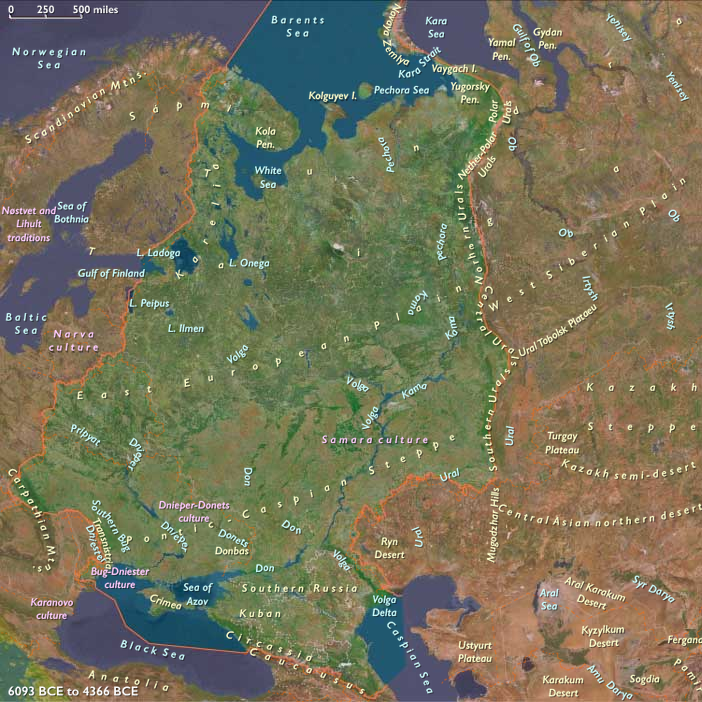
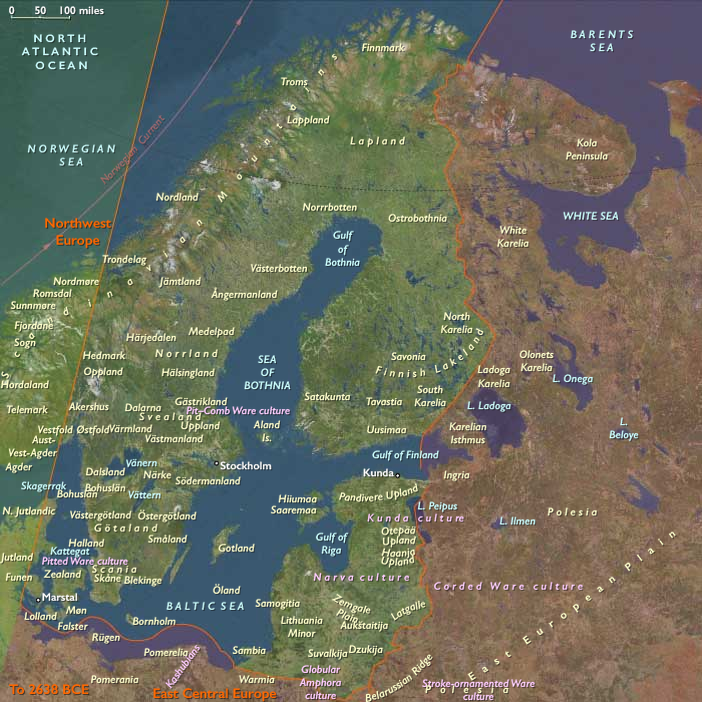
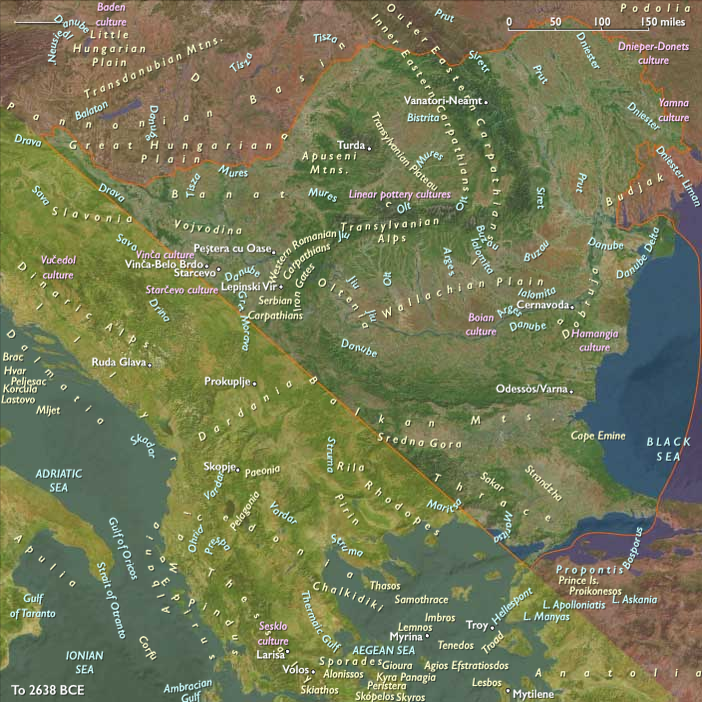
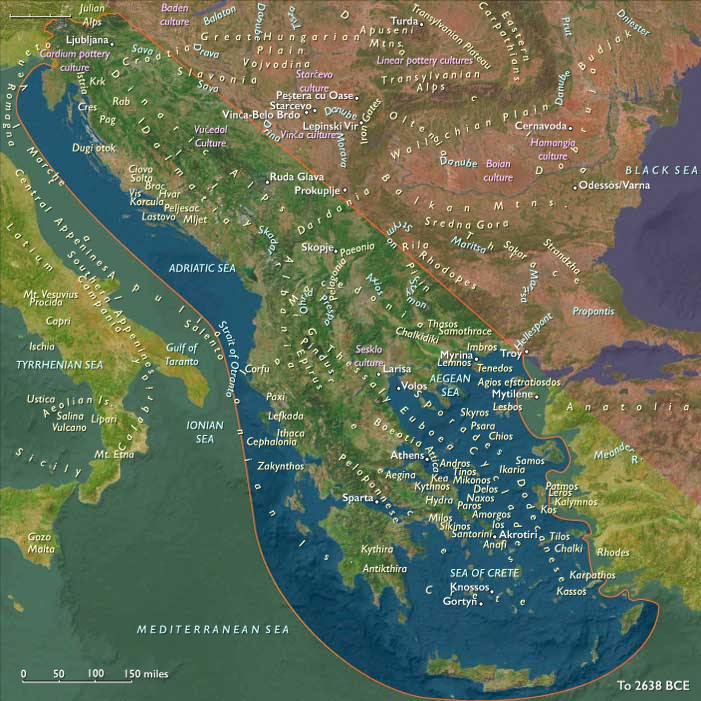
Years: 6093BCE - 4366BCE
Topics
- Neolithic Revolution
- Mesolithic Europe
- Neolithic Europe
- Aurolithic Epoch, or “Gold” Ages
- Atlantic Period during the Neolithic Subpluvial
- Chalcolithic Epoch, or Copper Ages
- Older Peron Transgression during the Neolithic Subpluvial
Subjects
Regions
Subregions
- East Europe
- Northeast Europe
- Eastern Southeast Europe
- Western Southeast Europe
- Mediterranean West Europe
- Mediterranean Southwest Europe
- Atlantic Southwest Europe
- Atlantic West Europe
- Northwest Europe