
The eastward-moving Spanish colonists arrive in the …
Years: 1591 - 1591
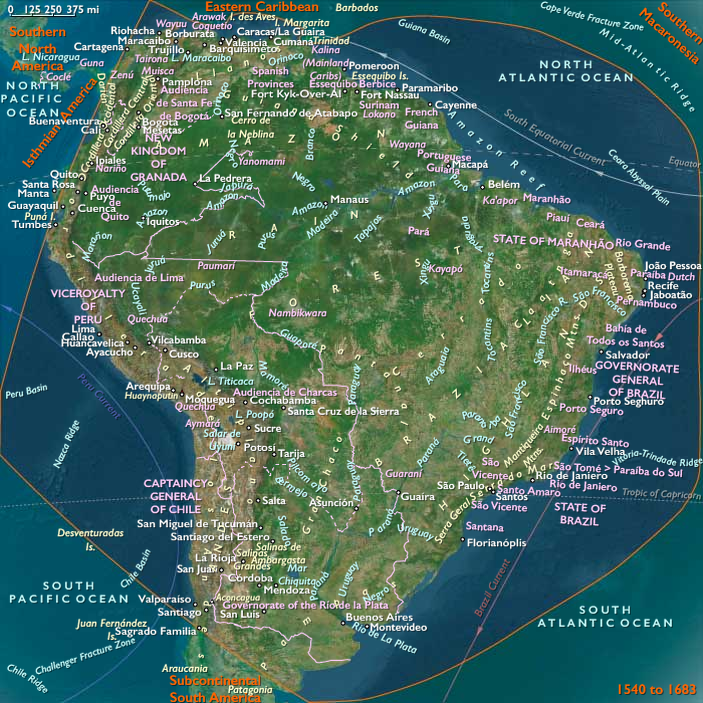
The eastward-moving Spanish colonists arrive in the La Rioja region to find the Diaguita culture, one of the most advanced Pre-Columbian cultures in Argentina.
The Diaguita culture had developed between the eighth and sixteenth centuries in what are now the provinces of Salta, Catamarca, La Rioja and Tucumán in northwestern Argentina, and in the Atacama and Coquimbo regions of northern Chile.
They have sophisticated architectural and agricultural techniques, including irrigation, and are known for their ceramic art.
They prefer the colors white, red and black.
They mostly do not build large settlements, but are sedentary farmers raising maize, pumpkins and beans, and herd animals such as llamas.
They reflect the Andean culture they shared with the Inca.
They worship the Sun, thunder and lightning.
Around the time of the Easter celebrations of 1591, approximately nine thousand of the estimated eleven thousand indigenous people living in the surrounding area attack the stronghold of La Padercitas in La Rioja as a protest to the poor treatment they receive from the Spanish settlers.During this time the Spanish settlers look to San Francisco Solano, in present Buenos Aires province, to reestablish the peace.
Juan Ramírez de Velazco, Governor of the Territories of Tucumán of the Viceroyalty of Peru, on May 20, 1591, establishes the city presently known as La Rioja as Todos los Santos de la Nueva Rioja in 1591 in homage to the region of La Rioja in Spain.
La Rioja is today the capital city of the Argentine province of La Rioja, located on the east of the province.
Locations
Groups
Topics
Commodoties
Subjects
Regions
Subregions
Years: 1591 - 1591
Locations
Groups
Topics
Commodoties
Subjects
Regions
Subregions