
The earliest period of Māori settlement is …
Years: 1288 - 1299
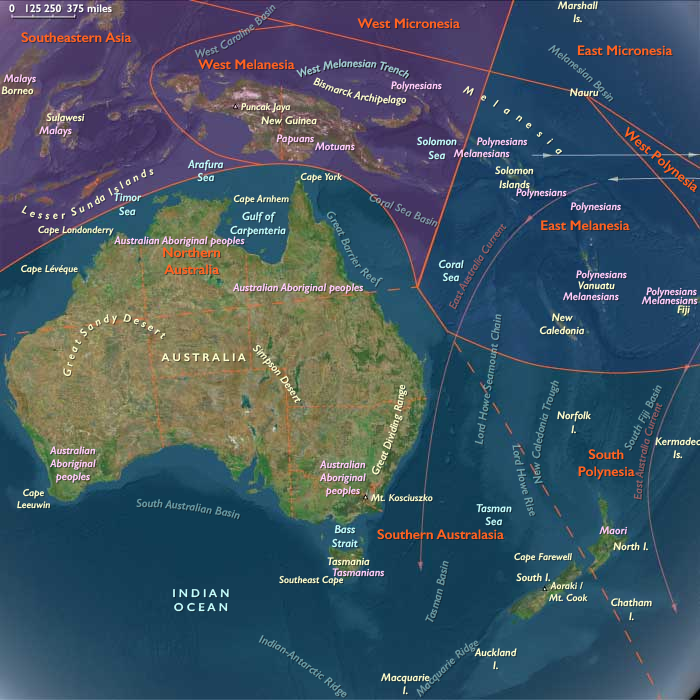
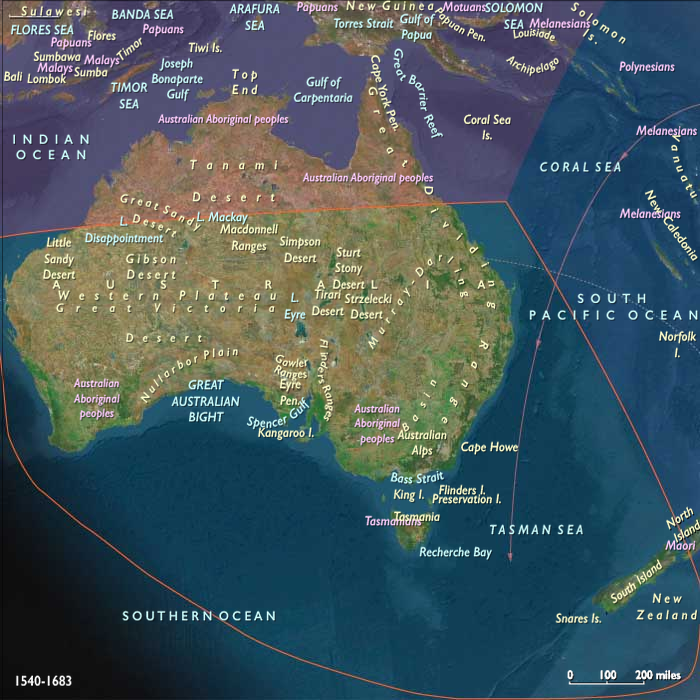
The earliest period of Māori settlement is known as the "Archaic", "Moahunter" or "Colonisation" period.
The eastern Polynesian ancestors of the Māori arrived in a forested land with abundant birdlife, including several now extinct moa species weighing from twenty to two hundred and fifty kilograms (forty to five hundred and fifty pounds).
Other species, also now extinct, included a swan, a goose and the giant Haast's Eagle, which preyed upon the moa.
Marine mammals, in particular seals, thronged the coasts, with coastal colonies much further north than today.
At the Waitaki river mouth, huge numbers of Moa bones estimated at twenty-nine thousand to ninety thousand birds have been located.
Further South, at the Shag River mouth at least six thousand moa were slaughtered over a relatively short period.
Archaeology has shown that the Otago Region was the node of Māori cultural development during this time, and the majority of archaic settlements were on or within ten kilometers (six miles) of the coast, though it was common to establish small temporary camps far inland.
Settlements ranged in size from forty people (e.g., Palliser Bay in Wellington) to three hundred to four hundred people, with forty buildings (e.g., Shag River (Waihemo)).
The best known and most extensively studied Archaic site is at Wairau Bar in the South Island.
The site is similar to eastern Polynesian nucleated villages.
Radio carbon dating shows it was occupied from about 1288 to 1300.
Due to tectonic forces, some of the Wairau Bar site is now underwater.
Work on the Wairau Bar skeletons in 2010 showed that life expectancy was very short.
The oldest skeleton being thirty-nine and most people dying in their twenties.
Most of the adults showed signs of dietary or infection stress.
Anaemia and arthritis were common.
Infections such as tuberculosis may have been present as the symptoms were present in several skeletons.
On average the adults were taller than other South Pacific people at 175 centimeters for males and 161 centimeters for females.
Locations
Groups
Topics
Commodoties
Subjects
Regions
Subregions
Years: 1288 - 1299
Locations
Groups
Topics
Commodoties
Subjects
Regions
Subregions