
The Treaty of Rouen and the Renewal …
Years: 1517 - 1517
August
The Treaty of Rouen and the Renewal of the Franco-Scottish "Auld Alliance" (August 26, 1517)
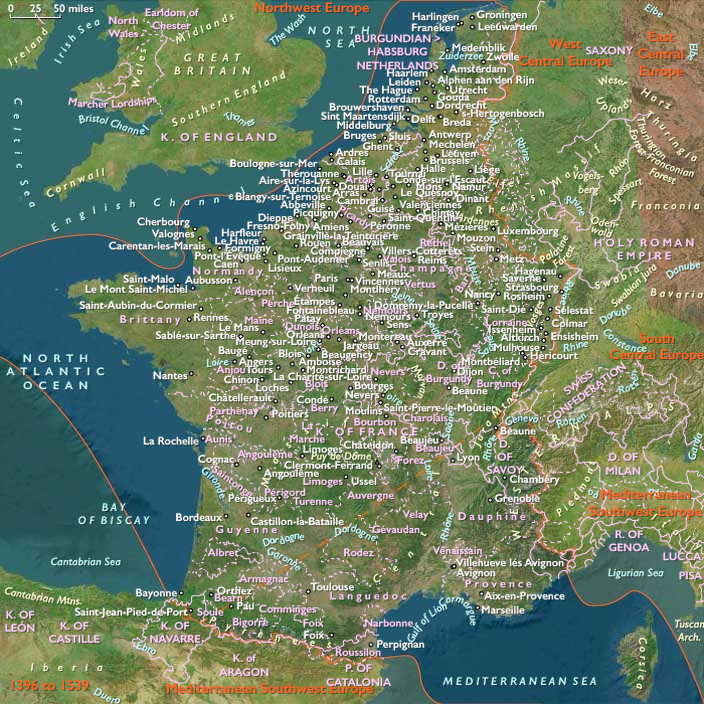
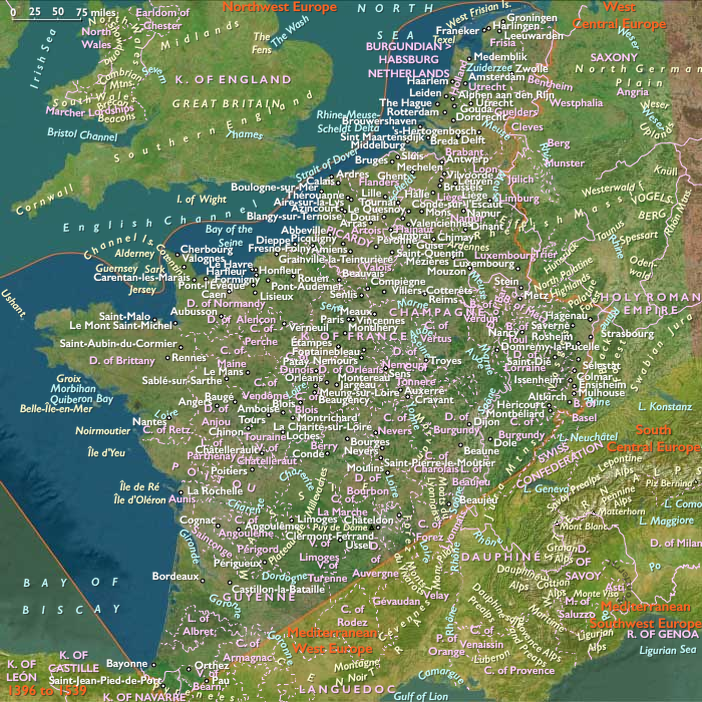
Between 1517 and 1520, John Stewart, Duke of Albany, Scotland's regent, resided predominantly in France, managing Scotland’s affairs remotely through trusted lieutenants, most notably Antoine d'Arces, sieur de la Bastie. This arrangement was a strategic consequence of Albany's strong personal and political ties to France, and it shaped Scotland’s political trajectory during the regency period.
Context and Key Figures
John Stewart, Duke of Albany, had assumed the Scottish regency during the minority of King James V, following the death of James IV at Flodden in 1513. Albany, a cousin to the young king, had close familial and political connections to France, reflecting the long-standing alliance between the two kingdoms, popularly known as the "Auld Alliance."His frequent absences from Scotland and residence in France underscored the enduring political and diplomatic influence France wielded over Scottish affairs.
In Albany’s absence, governance on the ground was conducted through a network of deputies, prominently led by the French-born Antoine d'Arces, Sieur de la Bastie, whose role underlined the heavy French influence in Scotland’s internal politics at the time.
The Treaty of Rouen (August 1517)
On August 26, 1517, Albany formalized these Franco-Scottish ties through the Treaty of Rouen, signed with Charles IV, Duke of Alençon, a senior figure in the French royal family. This treaty effectively renewed the traditional alliance between France and Scotland, which had been a cornerstone of both nations’ foreign policies for centuries, primarily directed against England’s geopolitical influence.
A significant clause within the treaty was France’s promise of a royal bride for the young James V, further strengthening dynastic connections between the kingdoms and securing ongoing French influence in Scotland.
The Scottish poet and diplomat, Gavin Douglas, Bishop of Dunkeld, played a critical role in negotiating the treaty, underscoring Scotland’s recognition of the importance of literary and cultural diplomacy alongside military and political alliances.
Political and Diplomatic Implications
The Treaty of Rouen reiterated the strategic alignment of Scotland with France, bolstering Scottish security against potential English aggression while simultaneously serving French interests in maintaining a strong diplomatic foothold on England’s northern border. However, Albany’s frequent absences and reliance on deputies such as la Bastie eventually exposed vulnerabilities within the Scottish regency government, complicating internal stability.
Long-Term Consequences and Legacy
Albany’s sojourn in France and the subsequent Treaty of Rouen had substantial long-term implications. The enduring strength of the Auld Alliance kept Scotland closely tied to French political, cultural, and military spheres, shaping the kingdom’s international relationships through much of the sixteenth century. At the same time, it highlighted the challenges faced by a regency government conducted from afar, eventually contributing to tensions within Scottish nobility and influencing domestic politics.
Ultimately, the treaty demonstrated the complexity of Scotland’s geopolitical position in early modern Europe, balancing internal governance with external alliances, a delicate equilibrium significantly impacted by Albany’s decisions during this period.
Locations
People
- Archibald Douglas
- Charles IV of Alençon
- Gavin Douglas
- James V, King of Scots
- John Stewart, Duke of Albany
- Margaret Tudor
Groups
- Christians, Roman Catholic
- France, (Valois) Kingdom of
- Scotland, Kingdom of
- England, (Tudor) Kingdom of
Topics
Subjects
Regions
Subregions
Related Events
Showing 10 events out of 38928 total
Years: 1517 - 1517
August
Locations
People
- Archibald Douglas
- Charles IV of Alençon
- Gavin Douglas
- James V, King of Scots
- John Stewart, Duke of Albany
- Margaret Tudor
Groups
- Christians, Roman Catholic
- France, (Valois) Kingdom of
- Scotland, Kingdom of
- England, (Tudor) Kingdom of
Topics
Subjects
Regions
Subregions