
Filters:
The Siege of Pamplona Begins (October 24, …
Years: 1512 - 1512
October
The Siege of Pamplona Begins (October 24, 1512)
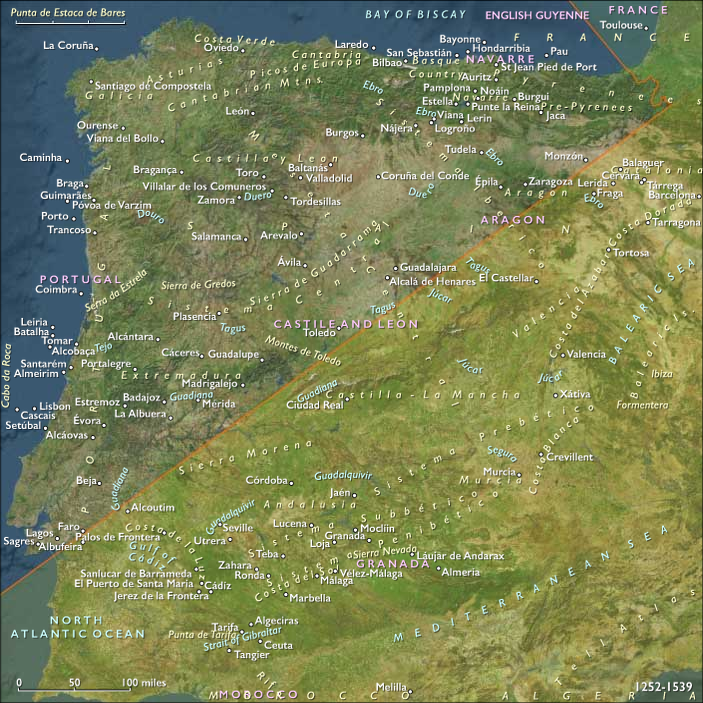
By October 24, 1512, the Duke of Alba, Ferdinand II of Aragon’s commander, arrived in Pamplona as the Navarrese-French counteroffensive advanced. Following him, loyalist forces of King John III of Navarre laid siege to the city, aiming to retake the Navarrese capital from Castilian occupation.
The Context: The Navarrese Counteroffensive Gains Ground
- After their victory at Ainhize on October 19, 1512, the Navarrese army, led by John III and supported by French forces, launched a multi-pronged invasion into occupied Navarre.
- Meanwhile, local uprisings erupted in Estella-Lizarra and the Monjardín fortress, further challenging Castilian control.
- Facing the real possibility of losing Pamplona, the Duke of Alba hastily withdrew his forces to the city, reinforcing its defenses before the arrival of Navarrese siege forces.
The Siege of Pamplona
- The Navarrese loyalists, numbering thousands, surrounded the city, cutting off supply routes and blocking reinforcements.
- The Castilian garrison, led by the Duke of Alba, prepared for a prolonged defense, knowing that Pamplona was key to maintaining control over Navarre.
- Both sides understood that whoever held Pamplona would ultimately dictate the fate of the kingdom.
Strategic Importance of Pamplona
- As Navarre’s capital, Pamplona was the administrative and military center of the kingdom.
- If John III and his allies retook the city, it would reverse Castilian annexation and restore Navarre’s independence.
- If Ferdinand II’s forces held out, they could secure permanent control over Upper Navarre.
The Siege’s Impact on the War
- The siege put enormous pressure on Castilian forces, forcing Ferdinand to consider further reinforcements.
- It marked the most serious challenge to Castilian rule since the initial invasion in July 1512.
- Navarrese resistance was far from broken, proving that John III and his supporters were still capable of reclaiming their homeland.
Conclusion: A Critical Moment in the Navarrese Struggle
The Siege of Pamplona in October 1512 was the climax of Navarre’s resistance against Castilian conquest. With the Duke of Alba defending the city and Navarrese forces determined to reclaim it, the battle for Navarre’s sovereignty reached its decisive phase. The outcome of the siege would determine whether Navarre remained independent or fell permanently under Castilian rule.
Locations
People
- Alonso de Aragón
- Catherine of Navarre
- Fadrique Álvarez de Toledo
- Ferdinand II of Aragon
- Gaston of Foix
- Germaine of Foix
- Henry VIII of England
- John III of Navarre
- Louis I d'Orléans
- Louis XII of France
- Pope Julius II
Groups
- Papal States (Republic of St. Peter)
- Navarre, Kingdom of
- Christians, Roman Catholic
- Béarn, Viscountcy of
- Aragón, Kingdom of
- Aragon, Crown of
- Castile, Crown of
- Foix, County of
- France, (Valois) Kingdom of
- Holy Roman Empire
- England, (Tudor) Kingdom of
- Landsknechts
Topics
Commodoties
Subjects
Regions

Subregions
Years: 1512 - 1512
October
Locations
People
- Alonso de Aragón
- Catherine of Navarre
- Fadrique Álvarez de Toledo
- Ferdinand II of Aragon
- Gaston of Foix
- Germaine of Foix
- Henry VIII of England
- John III of Navarre
- Louis I d'Orléans
- Louis XII of France
- Pope Julius II
Groups
- Papal States (Republic of St. Peter)
- Navarre, Kingdom of
- Christians, Roman Catholic
- Béarn, Viscountcy of
- Aragón, Kingdom of
- Aragon, Crown of
- Castile, Crown of
- Foix, County of
- France, (Valois) Kingdom of
- Holy Roman Empire
- England, (Tudor) Kingdom of
- Landsknechts
Topics
Commodoties
Subjects
Regions
Subregions