
The Breton Crisis and the Battle of …
Years: 1488 - 1488
The Breton Crisis and the Battle of Saint-Aubin-du-Cormier (1488)
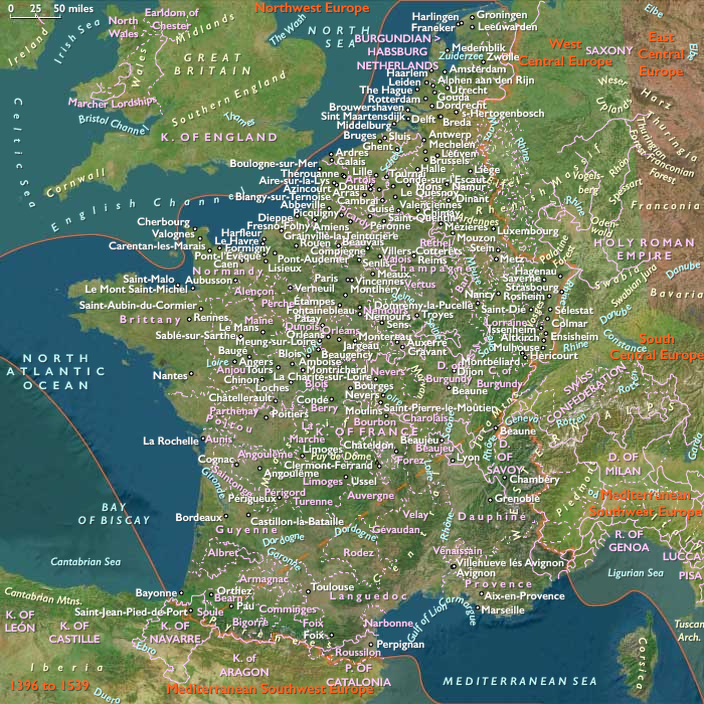
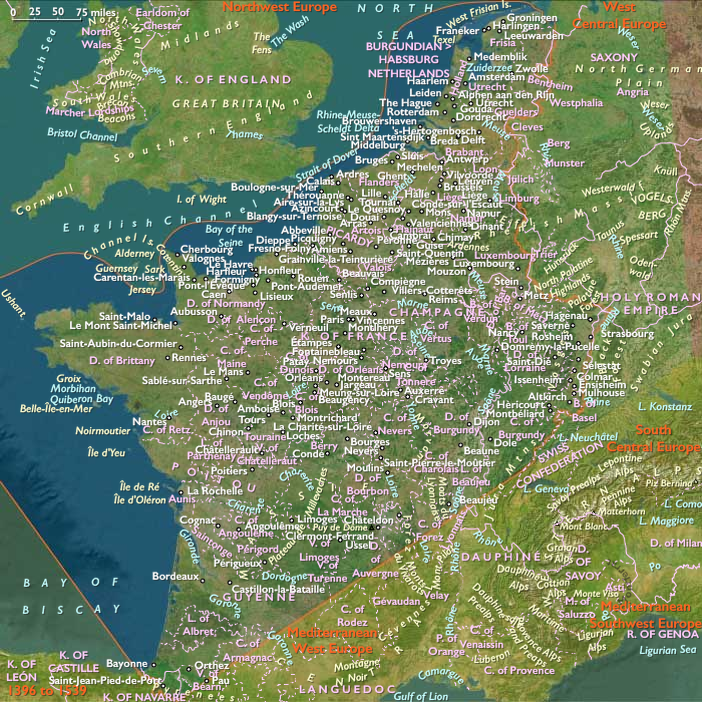
By 1488, the fiercely independent Duchy of Brittany, at this time strategically aligned with England, faced imminent threat from the French crown, which sought its annexation. Brittany, ruled by Duke Francis II, had long resisted absorption into the French kingdom, preserving autonomy through shifting alliances—most notably with Henry VII of England. The prospect of Brittany falling permanently into French hands provoked intense anxiety and popular sympathy across England, motivating the English crown to support Brittany militarily.
English Intervention and Diplomatic Maneuvering (1488)
Responding to rising English popular sentiment supporting Brittany’s independence against France’s encroachments, King Henry VII secured parliamentary funding in 1488, enabling him to dispatch three warships and a contingent of English volunteer troops to Brittany. Although a relatively modest force, this deployment represented a symbolic commitment by England to uphold Breton independence, challenging France’s ambitions to incorporate the duchy directly under royal rule.
This English intervention reflected broader geopolitical interests, as Henry VII aimed to prevent a unified French coastline opposite England, safeguarding English trade and maritime influence in Atlantic West Europe.
Anne of France and the Battle of Saint-Aubin-du-Cormier
Within France, the regency government, led by the astute Anne of France (Anne of Beaujeu), acting on behalf of her younger brother, the teenage King Charles VIII, aggressively pursued the subjugation of Brittany. Breton nobles opposed the French crown and had openly supported Louis, Duke of Orléans, who sought greater power as regent during Charles VIII’s minority, triggering the conflict known as the Mad War (1485–1488).
The decisive encounter of this conflict occurred at the Battle of Saint-Aubin-du-Cormier, fought on July 28, 1488, where French royal forces decisively crushed the Breton forces, which included Breton loyalists and their noble allies who backed Duke Louis of Orléans’ claim to the regency. The battle marked a critical French victory that permanently weakened Breton autonomy and reinforced royal authority within Brittany.
Defeat and Consequences for Brittany
The defeat at Saint-Aubin-du-Cormier severely curtailed Brittany's autonomy, significantly undermining its independent political aspirations. Duke Francis II, Breton leader, died shortly after the battle, leaving his young daughter, Anne of Brittany, in a precarious position. The subsequent Treaty of Sablé (1488) restricted Brittany's ability to conduct independent diplomacy, forcing Anne of Brittany into marriage alliances acceptable to the French crown.
Geopolitical Consequences and Long-term Significance
This decisive battle significantly reshaped Western Europe's political landscape. Brittany’s defeat at Saint-Aubin-du-Cormier led directly to its eventual annexation into France, completed through the marriage of Anne of Brittany to King Charles VIII of France in 1491. This union effectively extinguished Brittany’s long-held independence, absorbing the duchy permanently into France and reshaping the geopolitical balance in the region.
For England, the outcome represented a major diplomatic setback, demonstrating the limitations of Henry VII's cautious foreign policy and setting the stage for renewed rivalry between France and England in the coming decades.
Historical Impact
The Breton Crisis and the Battle of Saint-Aubin-du-Cormier marked a decisive turning point in late medieval European history, symbolizing the growing power of centralized monarchies over regional autonomy. Brittany’s loss of independence exemplified the ongoing consolidation of royal authority, while simultaneously highlighting the emerging framework of early modern state diplomacy and international alliances in Atlantic West Europe.
Locations
People
- Anne of France
- Charles VIII of France
- Francis II of Brittany
- Henry VII of England
- Louis XII of France
Groups
Topics
Commodoties
Subjects
Regions
Subregions
Related Events
Showing 10 events out of 40457 total
Years: 1488 - 1488
Locations
People
- Anne of France
- Charles VIII of France
- Francis II of Brittany
- Henry VII of England
- Louis XII of France
Groups
Topics
Commodoties
Subjects
Regions
Subregions