
French Invasion of the Basque Provinces (1719) …
Years: 1719 - 1719
April
French Invasion of the Basque Provinces (1719) and Its Failure
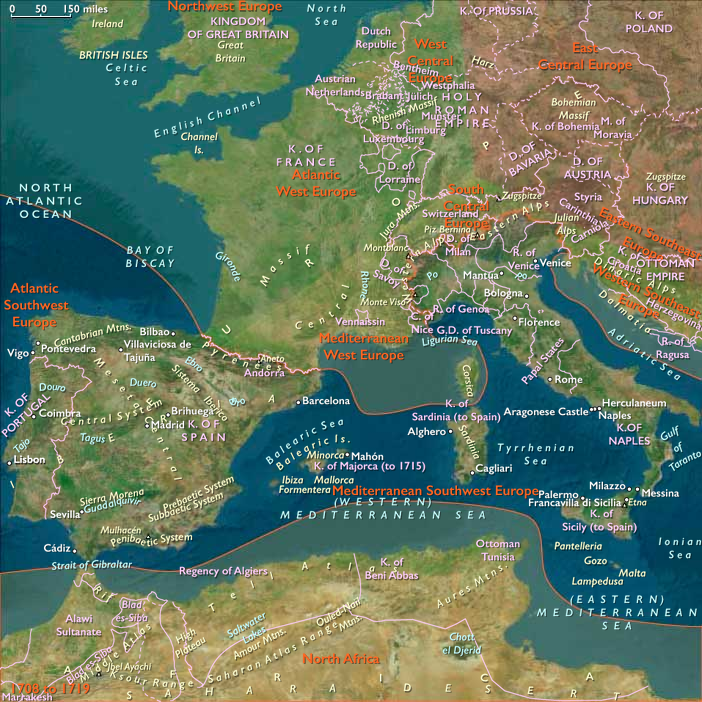
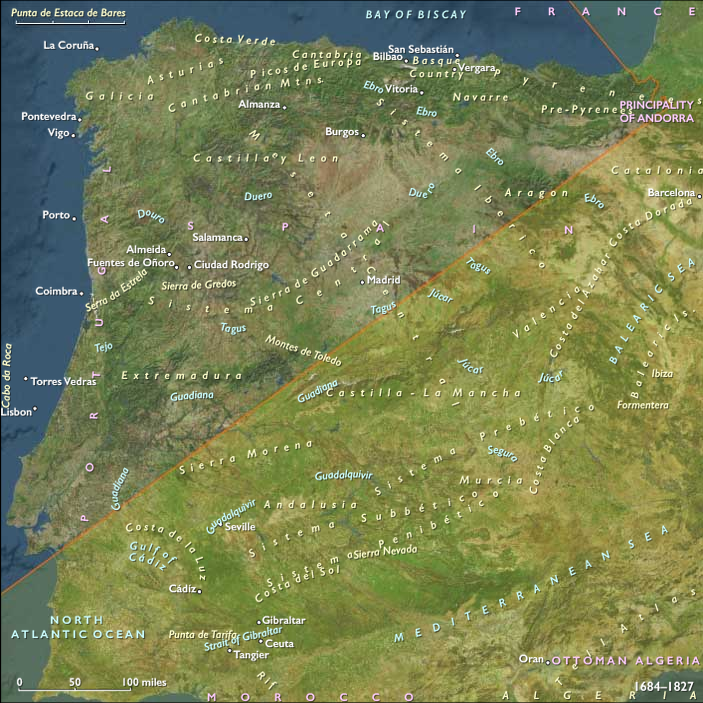
Following the discovery of the Cellamare Conspiracy (1718)—a Spanish plot to overthrow the Duke of Orléans, Regent of France—Philip V of Spain sought to weaken France by engaging in aggressive military campaigns. In response, Orléans ordered the French army under the Duke of Berwick to invade the Basque provinces of Spain in April 1719 as part of the War of the Quadruple Alliance (1718–1720).
The French Invasion and Spanish Resistance
✔ Initial French Advance
- The Duke of Berwick, a seasoned commander, led French forces into northern Spain, targeting the Basque provinces.
- The French army faced little organized military resistance, as Spain was already weakened by multiple fronts.
❌ Heavy Losses Due to Disease
- Despite the initial success, the campaign faltered due to outbreaks of disease.
- French forces suffered heavy casualties from sickness, forcing a retreat back into France.
Outcome and Consequences
- The French offensive ultimately failed, as disease caused more losses than combat.
- The Spanish Basque provinces remained under Spanish control, though Spain was still losing the war overall.
- The Quadruple Alliance remained firmly in control of the conflict, and Spain was eventually forced to negotiate peace in 1720.
Conclusion: A Failed French Attempt to Undermine Spain
The 1719 invasion of the Basque provinces was part of France’s broader strategy to weaken Spain, but the unexpected toll of disease prevented any lasting gains. While the French military remained dominant in the war, this particular campaign highlighted the challenges of warfare beyond the battlefield, as disease and logistics could be just as decisive as direct combat.
Locations
People
Groups
- Austria, Archduchy of
- Netherlands, United Provinces of the (Dutch Republic)
- France, (Bourbon) Kingdom of
- Habsburg Monarchy, or Empire
- Spain, Bourbon Kingdom of
- Britain, Kingdom of Great
Topics
Commodoties
Subjects
Regions
Subregions
Years: 1719 - 1719
April
Locations
People
Groups
- Austria, Archduchy of
- Netherlands, United Provinces of the (Dutch Republic)
- France, (Bourbon) Kingdom of
- Habsburg Monarchy, or Empire
- Spain, Bourbon Kingdom of
- Britain, Kingdom of Great
Topics
Commodoties
Subjects
Regions
Subregions