
The Surrender of Tudela and the Final …
Years: 1512 - 1512
September
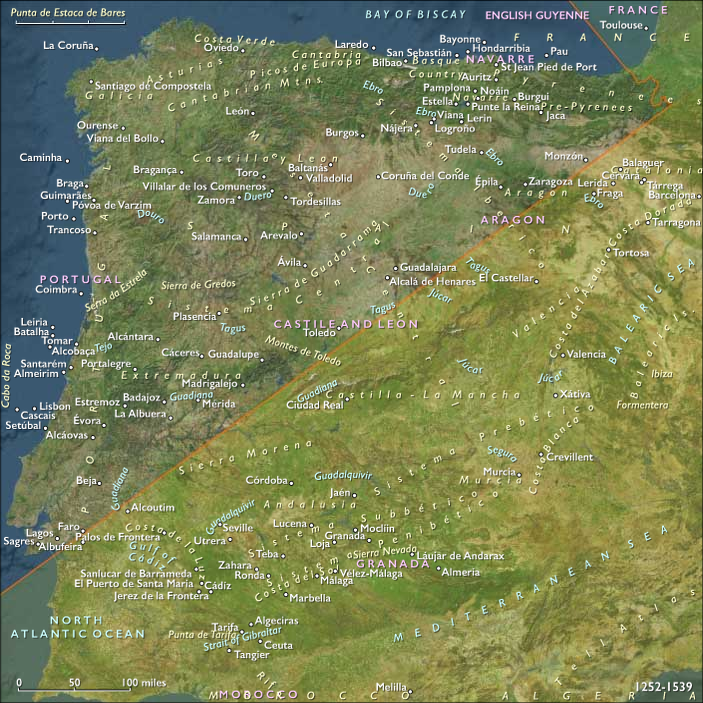
The Surrender of Tudela and the Final Stage of Navarre’s Conquest (September 9, 1512)
Despite the determined loyalty of Tudela’s authorities to the Navarrese crown, morale among the defenders had collapsed due to:
- The Pope’s bull legitimizing Ferdinand II’s invasion, labeling Navarre as schismatic.
- The overwhelming military advantage of the Castilian-Aragonese forces.
- The hopelessness of resistance, as made clear in letters sent by Tudela’s defenders to King John III of Navarre, acknowledging their dire situation.
To prevent further suffering, Tudela surrendered on September 9, 1512, avoiding:
- Unnecessary bloodshed in a hopeless fight.
- The pillaging of the city, which often followed prolonged resistance.
- Further confiscations of property and political reprisals.
Alfonso of Aragon’s Oath to Respect Navarrese Laws
- Alfonso of Aragon, the bastard son of Ferdinand II and Archbishop of Zaragoza, led the victorious Castilian-Aragonese forces.
- Following Ferdinand’s instructions, Alfonso took an oath on September 9, 1512, promising to respect Navarre’s traditional laws and institutions.
- However, in practice, Castilian administration gradually eroded Navarre’s autonomy, integrating Upper Navarre into the Spanish Crown.
Consequences of Tudela’s Fall
-
The Final Blow to Navarrese Resistance in Upper Navarre
- With Pamplona and Tudela surrendered, only a few isolated fortresses remained under Navarrese control.
- Navarre’s monarchs, Catherine I and John III, remained in exile in Béarn, unable to mount an effective counterattack.
-
Castile’s Near-Complete Control Over Upper Navarre
- By 1513, Upper Navarre was fully integrated into the Crown of Castile, though Lower Navarre (north of the Pyrenees) remained under the House of Albret.
-
Navarre Becomes a Spanish Territory
- In 1515, the Cortes of Burgos formally annexed Upper Navarre to the Crown of Castile, finalizing Ferdinand’s conquest.
Conclusion: The End of an Independent Navarre
The surrender of Tudela on September 9, 1512, marked the effective end of Navarre’s independence. Though Alfonso of Aragon swore to respect Navarrese laws, Castilian rule gradually eroded local autonomy, paving the way for Navarre’s full integration into Spain. The House of Albret would continue to resist from Lower Navarre, but Ferdinand II’s conquest of Upper Navarre was now complete.
Locations
People
- Alonso de Aragón
- Catherine of Navarre
- Fadrique Álvarez de Toledo
- Ferdinand II of Aragon
- Gaston of Foix
- Germaine of Foix
- Henry VIII of England
- John III of Navarre
- Louis XII of France
- Pope Julius II
Groups
- Papal States (Republic of St. Peter)
- Navarre, Kingdom of
- Christians, Roman Catholic
- Béarn, Viscountcy of
- Aragón, Kingdom of
- Aragon, Crown of
- Castile, Crown of
- Foix, County of
- France, (Valois) Kingdom of
- England, (Tudor) Kingdom of
Topics
Commodoties
Subjects
Regions

Subregions
Related Events
Showing 10 events out of 39269 total
Years: 1512 - 1512
September
Locations
People
- Alonso de Aragón
- Catherine of Navarre
- Fadrique Álvarez de Toledo
- Ferdinand II of Aragon
- Gaston of Foix
- Germaine of Foix
- Henry VIII of England
- John III of Navarre
- Louis XII of France
- Pope Julius II
Groups
- Papal States (Republic of St. Peter)
- Navarre, Kingdom of
- Christians, Roman Catholic
- Béarn, Viscountcy of
- Aragón, Kingdom of
- Aragon, Crown of
- Castile, Crown of
- Foix, County of
- France, (Valois) Kingdom of
- England, (Tudor) Kingdom of
Topics
Commodoties
Subjects
Regions
Subregions