
The former group headed along the southeast …
Years: 49293BCE - 28558BCE
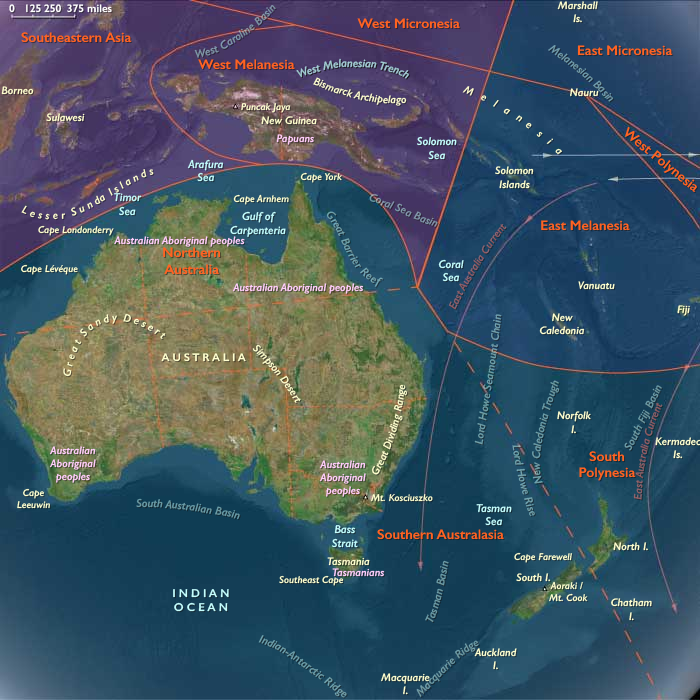
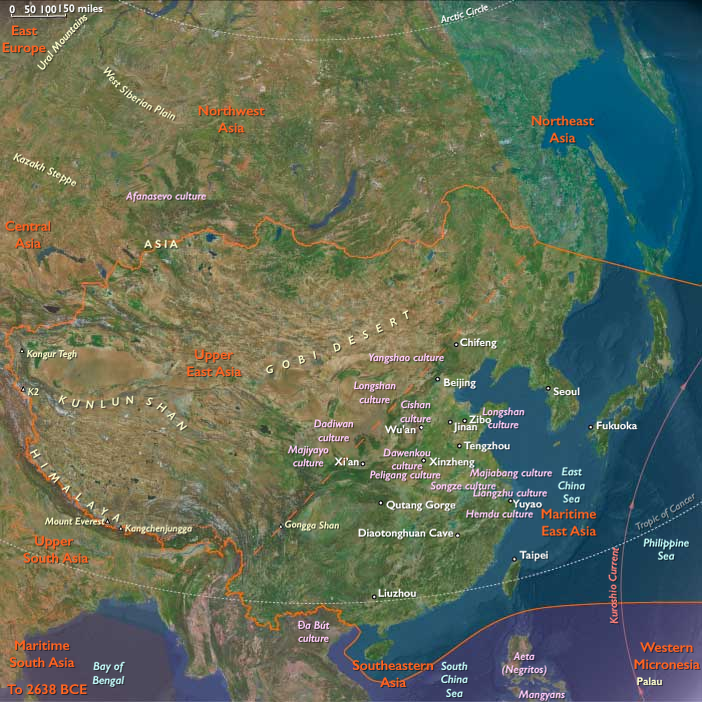
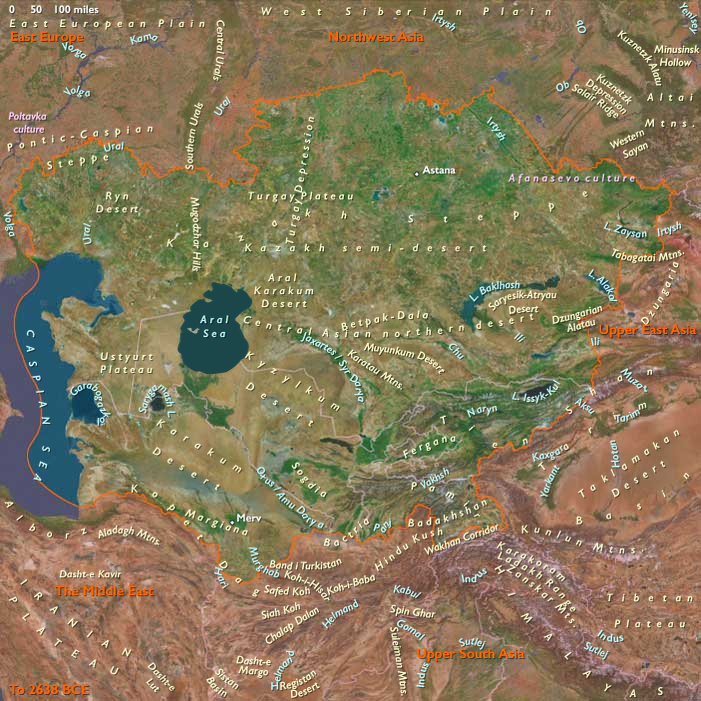
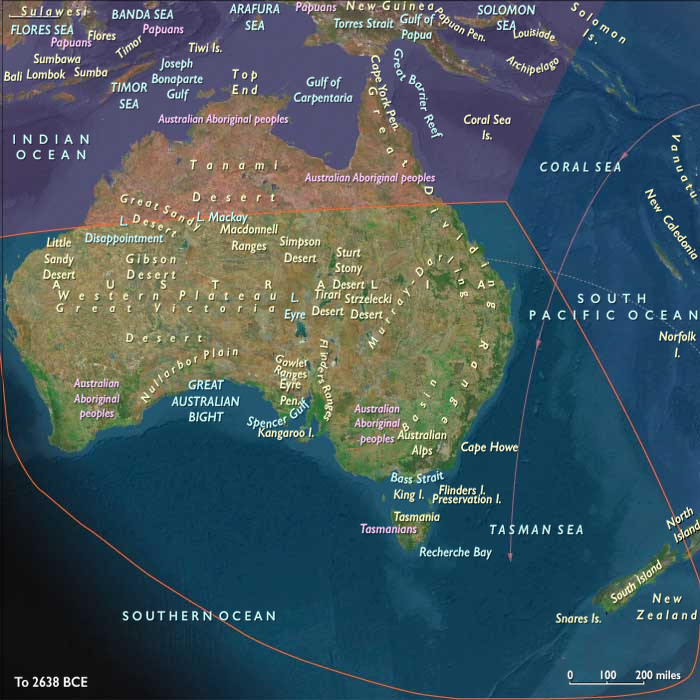
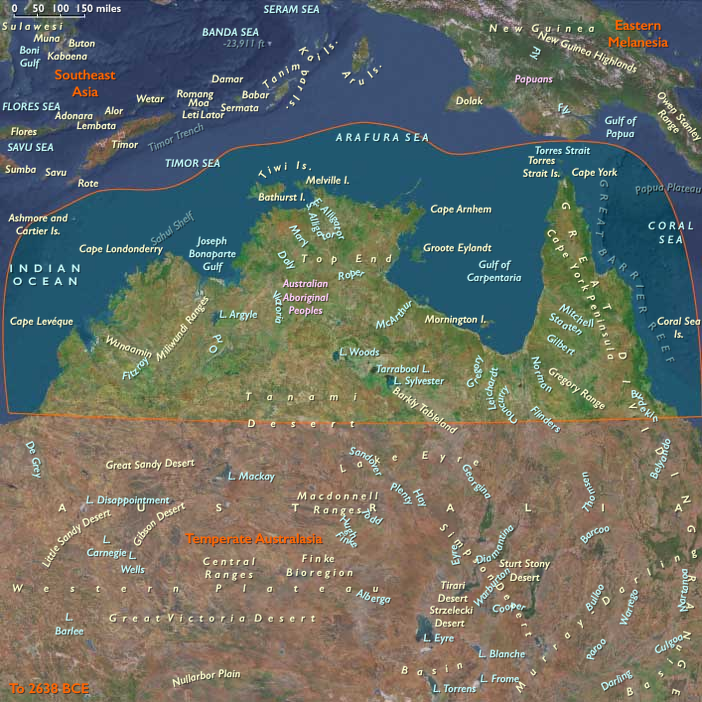
The former group headed along the southeast coast of Asia, reaching Australia between fifty-five thousand and thirty thousand years ago, with most estimates placing it about forty-six thousand to forty-one thousand years ago.
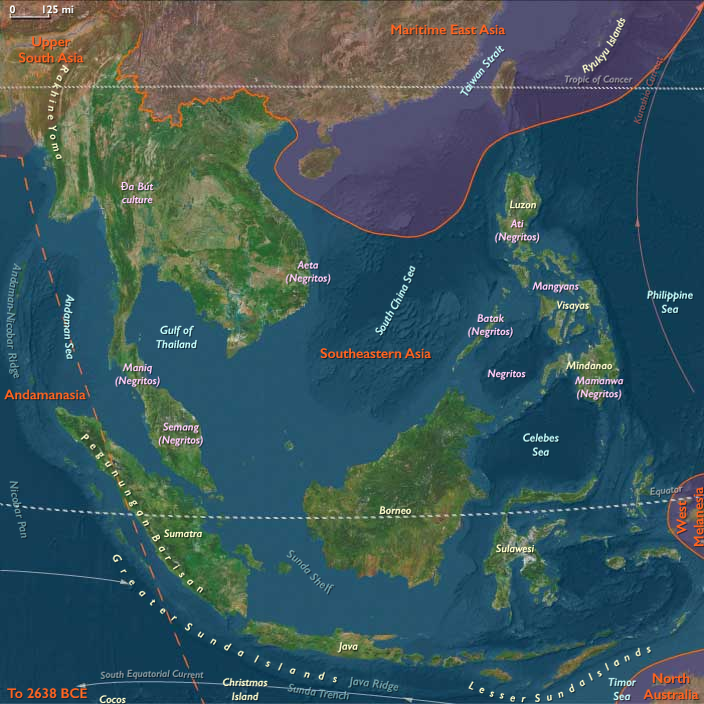
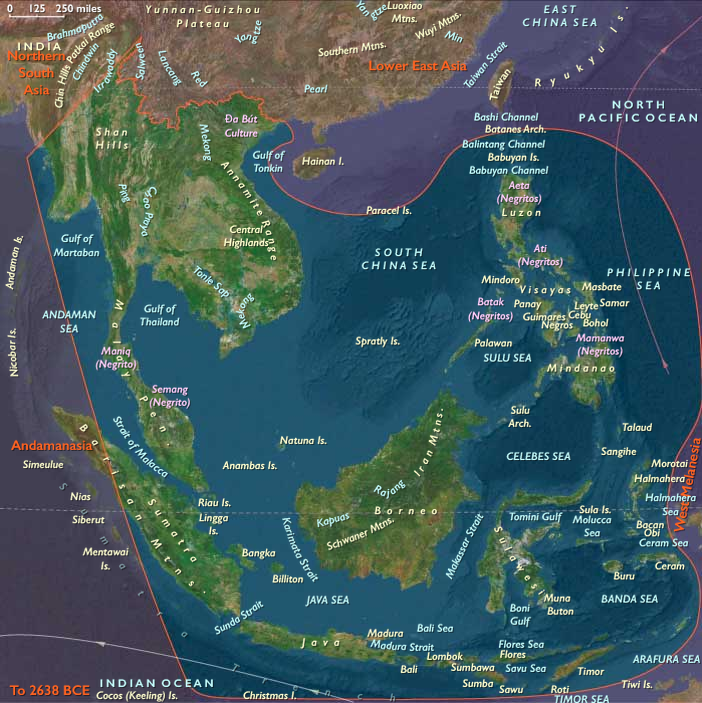
Sea level is much lower during this time, and most of Maritime Southeast Asia is one land mass known as the lost continent of Sunda.
The settlers probably continued on the coastal route southeast until they reached the series of straits between Sunda and Sahul, the continental land mass that was made up of present-day Australia and New Guinea.
The widest gaps are on the Weber Line and are at least ninety kilometers wide, indicating that settlers had knowledge of seafaring skills.
Archaic humans such as Homo erectus never reached Australia.
If these dates are correct, Australia was populated up to ten thousand years before Europe.
This is possible because humans avoided the colder regions of the North favoring the warmer tropical regions to which they were adapted given their African homeland.
Another piece of evidence favoring human occupation in Australia is that about forty-six thousand years ago, all large mammals weighing more than one hundred kilograms suddenly became extinct.
The new settlers were likely to be responsible for this extinction.
Many of the animals may have been accustomed to living without predators and become docile and vulnerable to attack (as will occur later in the Americas).
Groups
Topics
Commodoties
Subjects
Regions
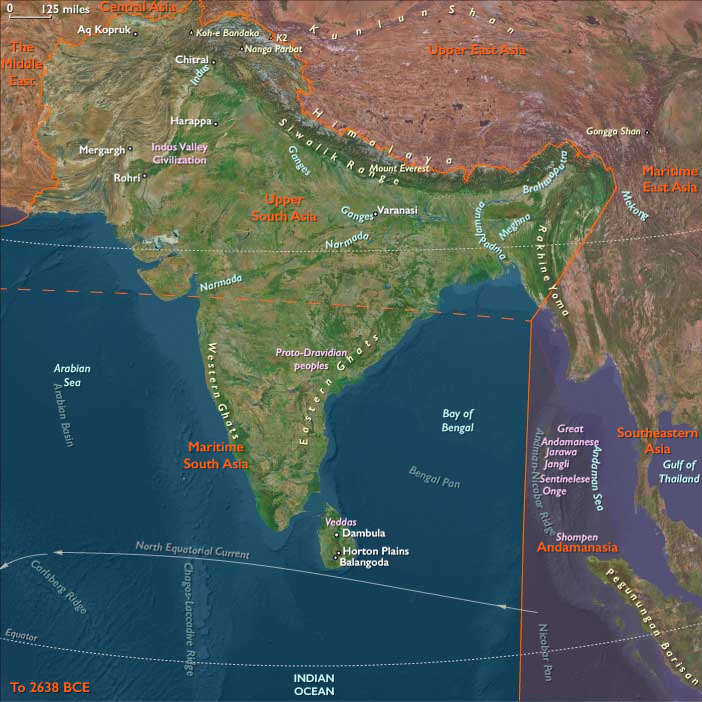
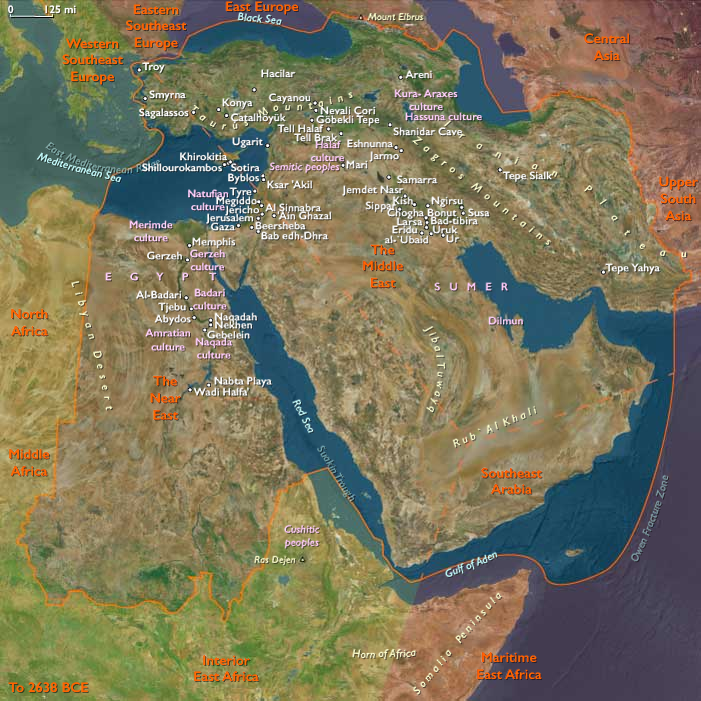
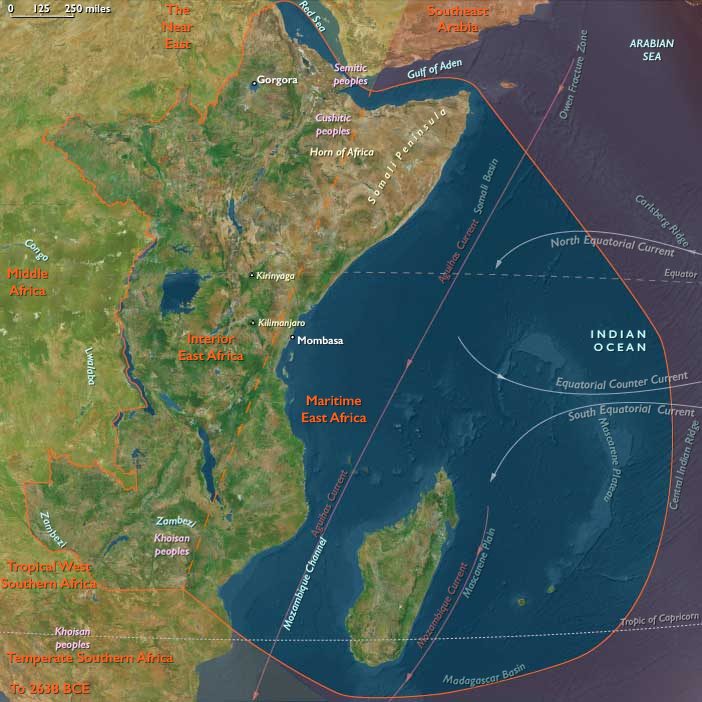
Subregions
- Southern Australasia
- Northern Australia
- Southeastern Asia
- Maritime East Asia
- Central Asia
- Middle East
- Upper South Asia
- Maritime South Asia
- Southeast Arabia
- Near East
Related Events
Showing 3 events out of 3 total
Years: 49293BCE - 28558BCE
Groups
Topics
Commodoties
Subjects
Regions
Subregions
- Southern Australasia
- Northern Australia
- Southeastern Asia
- Maritime East Asia
- Central Asia
- Middle East
- Upper South Asia
- Maritime South Asia
- Southeast Arabia
- Near East