
Filters:
The deposed emperor Justinian II, on learning …
Years: 702 - 702
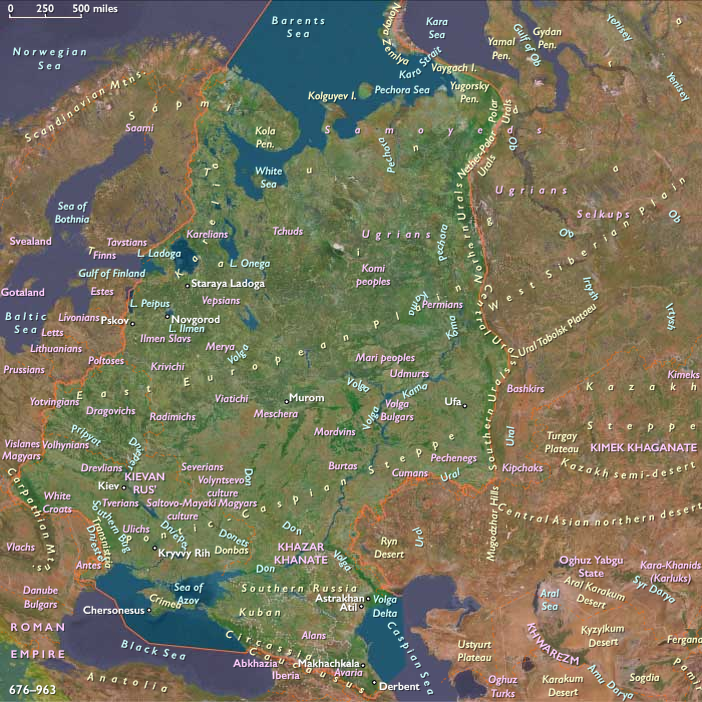
The deposed emperor Justinian II, on learning in 703 that Tiberios plans to arrest him, escapes from his place of exile in the Crimea to …
Locations
People
Groups
- Greeks, Medieval (Byzantines)
- Bulgarian Empire (First)
- Roman Empire, Eastern: Non-dynastic
- Khazar Khaganate
Topics
- Migration Period
- Byzantine Papacy
- Arab-Byzantine Wars
- Arab-Khazar Wars
- Byzantine-Bulgarian Wars
- Byzantine-Muslim War of 692-718
Commodoties
Subjects
Regions
Subregions
Related Events
Showing 1 events out of 1 total
Years: 702 - 702
Locations
People
Groups
- Greeks, Medieval (Byzantines)
- Bulgarian Empire (First)
- Roman Empire, Eastern: Non-dynastic
- Khazar Khaganate
Topics
- Migration Period
- Byzantine Papacy
- Arab-Byzantine Wars
- Arab-Khazar Wars
- Byzantine-Bulgarian Wars
- Byzantine-Muslim War of 692-718
Commodoties
Subjects
Regions
Subregions