Catiline, on returning home in 66 BCE, had presented himself as a candidate for the consular elections but a delegation from Africa appealing to the Senate, indicting him for abuses, had prevented this as the incumbent consul, Lucius Volcatius Tullus, disallowed the candidacy.
The consuls-designate, Publius Autronius Paetus and Publius Cornelius Sulla, had been prevented from entering office because of ambitus, electoral corruption, under the lex Calpurnia.
Thus, the two other leading candidates, Lucius Manlius Torquatus and Lucius Aurelius Cotta, had been elected in a second election and were to enter office on January 1, 65 BCE.
Supposedly, Catiline, incensed because he was not allowed to stand for the consulship, had conspired with Gnaeus Calpurnius Piso and the former consuls-designate to slaughter many of the senators and the new consuls the day they assumed office.
They would then name themselves the consuls for 65 BCE and would then have sent Piso to organize the provinces in Spain.
Alternatively, Suetonius claims that Julius Caesar and Marcus Licinius Crassus directed the conspiracy, but he fails to mention Catiline's involvement.
Crassus is accused of planning to become dictator instead of assuming the consulship, and of intending to name Caesar magister equitum.
Catiline in 65 BCE is finally brought to trial where he receives the support of many distinguished men, including many consulars.
Even one of the consuls for 65 BCE, Lucius Manlius Torquatus, demonstrates his support for Catiline.
Cicero also contemplates defending Catiline in court.
Catiline is acquitted, but only—as suggested to the author of Commentariolum Petitionis, possibly Cicero's brother, Quintus Cicero—by the fact that: "he left the court as poor as some of his judges had been before the trial, implying that he bribed his judges. (Commentariolum Petitionis, 3)
Pompey, whose military exploits have amassed to him great power and wealth, encounters strong opposition within the senate, led by Cato the Younger, Lucullus and—for a while—Crassus.
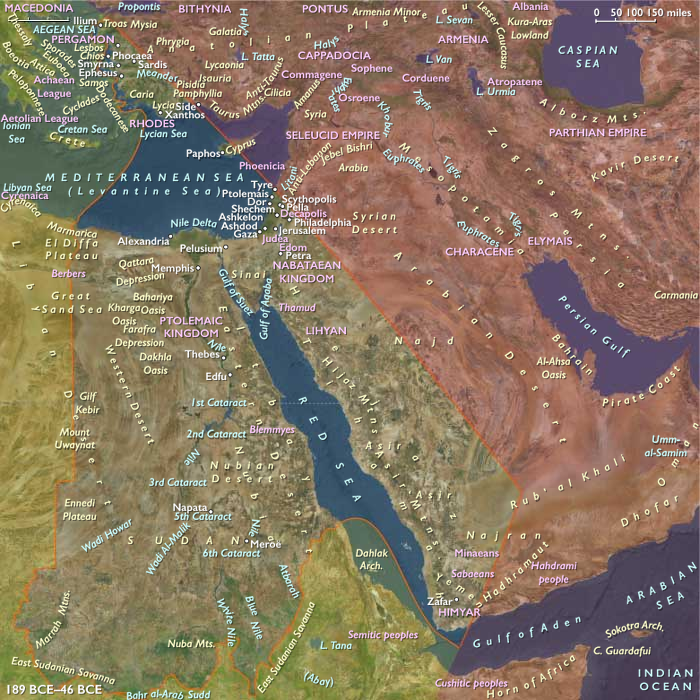
Crassus, as censor in 65, proposes citizenship for the Transpadane Gauls and annexation of Egypt but is blocked by Cicero and others.
Caesar, as aedile in 65, further advertises his Marian connections by organizing the restoration of Marius' battle trophies on the Capitoline Hill.
He attains great popularity—and goes deeply into debt—by financing spectacular games.
Caesar also probably cooperates with Crassus in his attempt to annex Egypt.