
The Siege and Surrender of Tournai (September …
Years: 1513 - 1513
September
The Siege and Surrender of Tournai (September 1513)
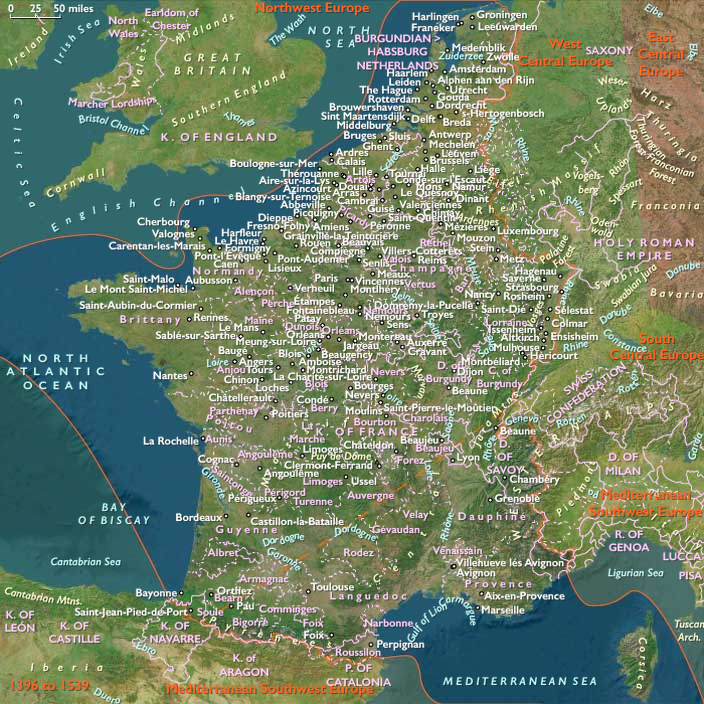
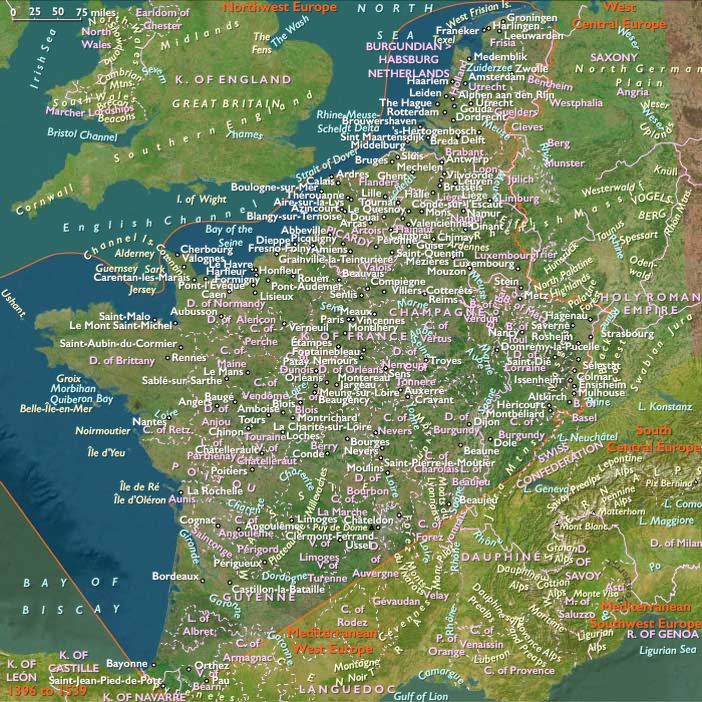
In September 1513, following the English victory at Guinegate, King Henry VIII's attention turned decisively toward the city of Tournai. Despite determined defensive measures by the city's French garrison, led by local commanders and supported by townspeople, Tournai succumbed to the overwhelming military pressure applied by English forces, further supported by Imperial allies under Emperor Maximilian I.
Defensive Measures by Tournai’s Garrison
As English forces advanced, the defenders of Tournai took drastic steps to bolster their defenses:
- On September 11, the garrison demolished numerous houses situated near the city gates to deny shelter or cover to the English.
- On September 13, the defenders set fire to the suburbs, creating an additional defensive obstacle and emphasizing their determination to resist capture.
The defenders also ordered women and children to repair breaches in the city walls caused by English artillery bombardment on September 15, further underscoring their resolve to withstand the siege.
Negotiations and Internal Dynamics
Despite their steadfastness, internal pressures eventually forced Tournai’s defenders toward negotiation. English chroniclers such as Raphael Holinshed and Richard Grafton misinterpreted some events, mistakenly suggesting internal betrayal; however, in reality, it was the acute lack of supplies, increasing pressure from artillery bombardment, and limited reinforcements that compelled the defenders toward negotiation.
English commanders, particularly Charles Brandon and Richard Foxe, Bishop of Winchester, negotiated directly with the town's representatives beginning around September 20. The city garrison formally surrendered to English forces, effectively ending organized resistance.
During the final days before the surrender, English troops, led by commanders like Charles Brandon, secured notable symbolic victories. Brandon personally captured two statues from one of the city gates, a symbolic gesture underlining English dominance and the humiliation of French defenders.
Misunderstandings and Historical Record
English historical chronicles, notably those by Raphael Holinshed and Richard Grafton, inaccurately portrayed events inside Tournai, suggesting the presence of traitors ("vaunt-parlers") who deliberately sabotaged the city’s defenses. Contemporary diplomatic accounts indicate instead a more complex scenario—one of measured but ultimately ineffective resistance amid logistical desperation and deteriorating morale among the defenders.
Consequences and Legacy
The formal surrender of Tournai on September 23, 1513, marked a major English victory, enhancing Henry VIII’s international prestige and temporarily extending English political and military presence deep into continental Europe. The capture of the city, a valuable economic and symbolic prize, underscored the effectiveness of English military planning and the strategic capabilities of Henry’s commanders.
However, despite the immediate English success, the destruction of the suburbs, extensive defensive damage to Tournai, and ensuing logistical strain complicated English occupation efforts. Furthermore, chronic misunderstandings reflected in English sources later shaped public perception of the siege, influencing national memory and historical narratives.
Consequences and Legacy
The fall of Tournai represented a high-water mark in Henry VIII’s early reign, bolstering his reputation as a martial king. Yet, strategically, it represented a short-term gain rather than a lasting conquest; the city was difficult to defend and was ultimately returned to French control under diplomatic arrangements in subsequent years. Nonetheless, the episode vividly demonstrated the complexity of early sixteenth-century siege warfare and the critical importance of accurate historical recording and interpretation.
Locations
People
- Alfonso d'Este
- Andrea Gritti
- Bartolomeo d'Alviano
- Catherine of Aragon
- Catherine of Navarre
- Charles Brandon
- Charles Somerset
- Edward Poynings
- Ferdinand II of Aragon
- George Talbot
- Gian Giacomo Trivulzio
- Giuliano de Medici
- Henry Bourchier
- Henry VIII of England
- Jacques de La Palice
- James IV of Scotland
- Louis I d'Orléans
- Louis II de la Trémoille
- Louis XII of France
- Margaret of Austria
- Maximilian I of
- Maximilian Sforza
- Pope Leo X
- Ramón de Cardona
- Rhys ap Thomas
- Thomas Grey
- Thomas Wolsey
Groups
- Papal States (Republic of St. Peter)
- Navarre, Kingdom of
- Albanians
- Genoa, (Most Serene) Republic of
- Christians, Roman Catholic
- Mantua, free commune of
- Aragón, Kingdom of
- Venice, (Most Serene) Republic of
- Aragon, Crown of
- Swiss mercenaries
- France, (Valois) Kingdom of
- Holy Roman Empire
- Urbino, Duchy of
- Milan, Duchy of
- Modena and Reggio, Duchy of
- Ferrara, Duchy of
- England, (Tudor) Kingdom of
- Florence, Republic of
Topics
Commodoties
Subjects
Regions
Subregions
Years: 1513 - 1513
September
Locations
People
- Alfonso d'Este
- Andrea Gritti
- Bartolomeo d'Alviano
- Catherine of Aragon
- Catherine of Navarre
- Charles Brandon
- Charles Somerset
- Edward Poynings
- Ferdinand II of Aragon
- George Talbot
- Gian Giacomo Trivulzio
- Giuliano de Medici
- Henry Bourchier
- Henry VIII of England
- Jacques de La Palice
- James IV of Scotland
- Louis I d'Orléans
- Louis II de la Trémoille
- Louis XII of France
- Margaret of Austria
- Maximilian I of
- Maximilian Sforza
- Pope Leo X
- Ramón de Cardona
- Rhys ap Thomas
- Thomas Grey
- Thomas Wolsey
Groups
- Papal States (Republic of St. Peter)
- Navarre, Kingdom of
- Albanians
- Genoa, (Most Serene) Republic of
- Christians, Roman Catholic
- Mantua, free commune of
- Aragón, Kingdom of
- Venice, (Most Serene) Republic of
- Aragon, Crown of
- Swiss mercenaries
- France, (Valois) Kingdom of
- Holy Roman Empire
- Urbino, Duchy of
- Milan, Duchy of
- Modena and Reggio, Duchy of
- Ferrara, Duchy of
- England, (Tudor) Kingdom of
- Florence, Republic of
Topics
Commodoties
Subjects
Regions
Subregions