
Castrati had first appeared in Italy in …
Years: 1564 - 1575
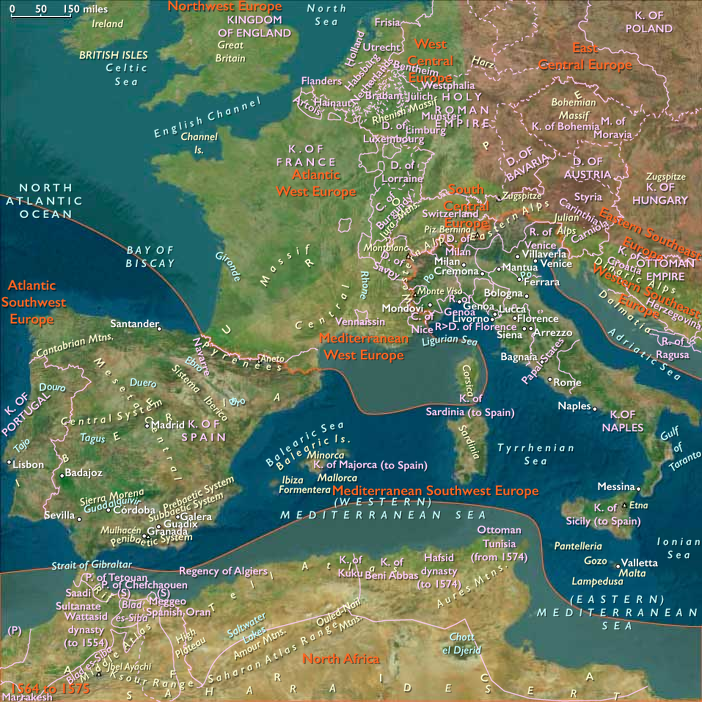
Castrati had first appeared in Italy in the mid-sixteenth century, though at first the terms describing them were not always clear.
The unbroken voices of these male soprano or contralto singers have been preserved by castration performed—illegally and inhumanely—before puberty so that the larynx remains undeveloped.
The voice of the castrato consequently retains its high range, but because his lungs and chest mature, he is able to produce sounds of extraordinary power.
The phrase soprano maschio (male soprano), which could also mean falsettist, occurs in the Due Dialoghi della Musica of Luigi Dentice, an Oratorian priest, published in Rome in 1553.
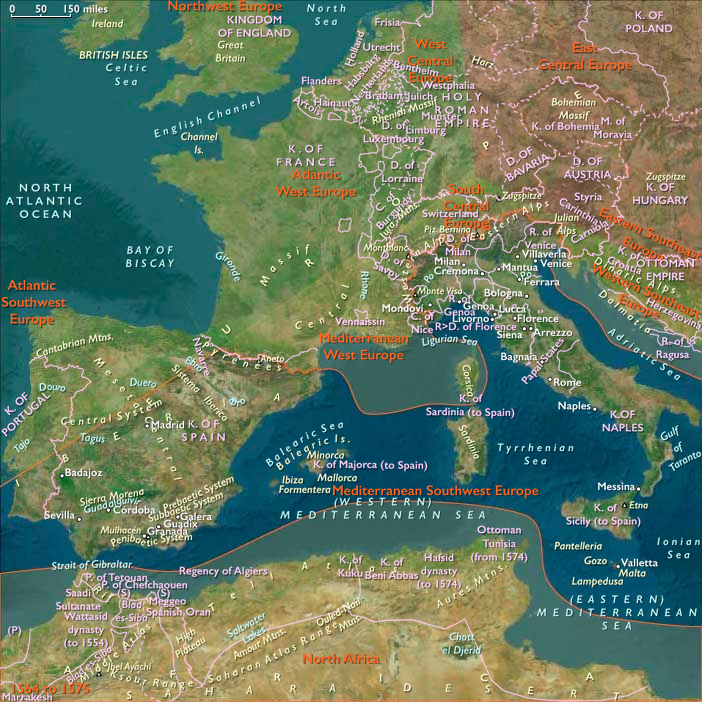
On November 9, 1555 Cardinal Ippolito II d'Este (famed as the builder of the Villa d'Este at Tivoli), had written to Guglielmo Gonzaga, Duke of Mantua (1538–1587), that he has heard that His Grace was interested in his cantoretti and offered to send him two, so that he could choose one for his own service.
This is a rare term but probably does equate to castrato.
The Cardinal's brother, Alfonso II d'Este, Duke of Ferrara, is another early enthusiast, inquiring about castrati in 1556.
There were certainly castrati in the Sistine Chapel choir in 1558, although not described as such: on April 27 of that year, Hernando Bustamante, a Spaniard from Palencia, had been admitted (the first castrati so termed who join the Sistine choir are Pietro Paolo Folignato and Girolamo Rossini, who will be admitted in 1599).
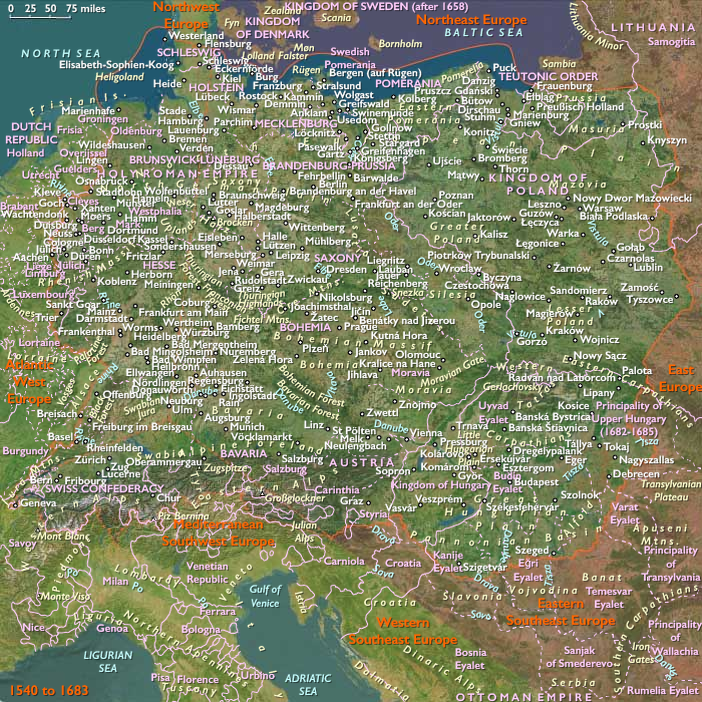
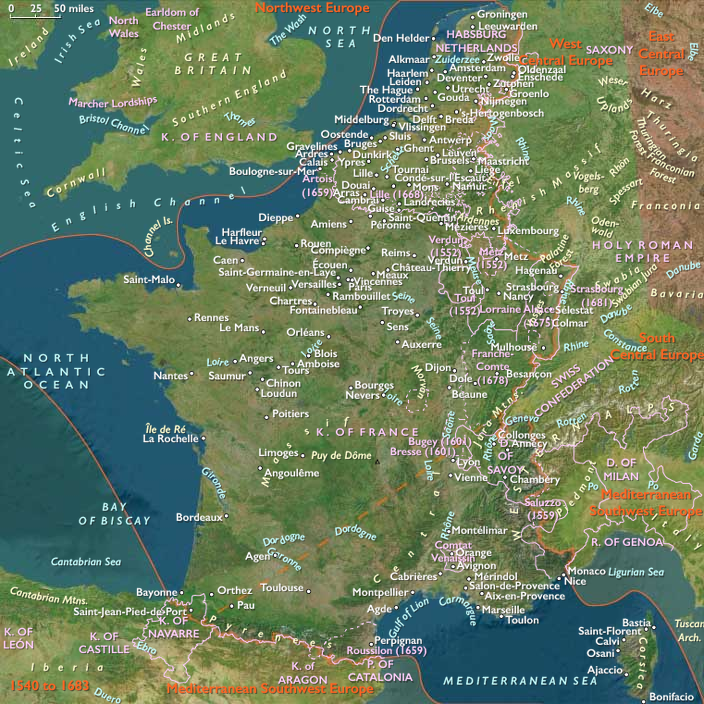
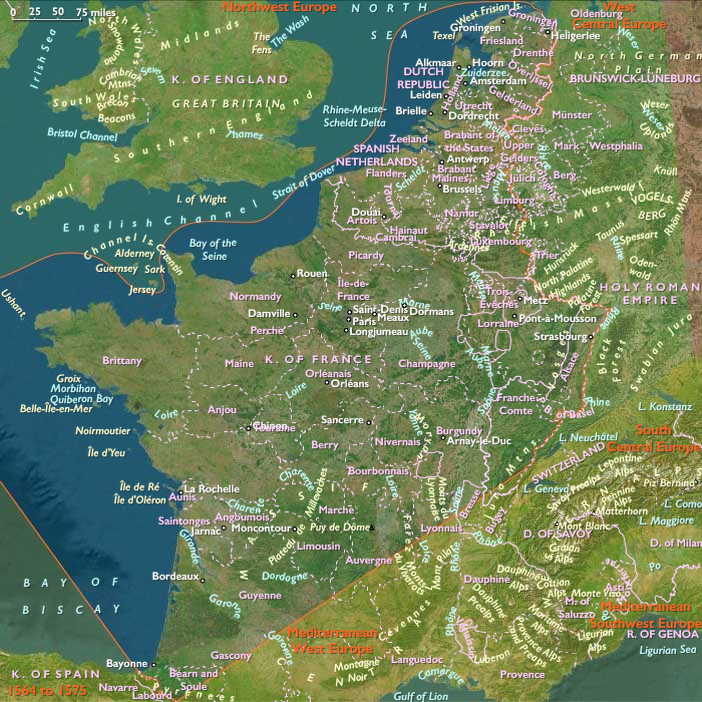
Surprisingly, considering the later French distaste for castrati, they certainly exist in France at this time also, being known of in Paris, Orléans, Picardy and Normandy, though they are not abundant: the King of France himself has difficulty in obtaining them.
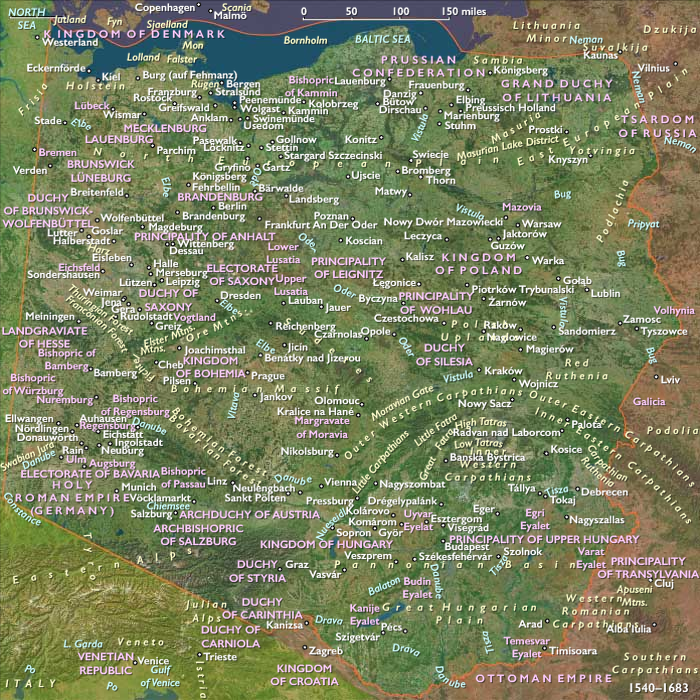
By 1574 there are castrati in the Ducal court chapel at Munich, where the Kapellmeister (music director) is the famous Orlando di Lasso.
People
Groups
Topics
Subjects
Regions
Subregions
Years: 1564 - 1575
People
Groups
Topics
Subjects
Regions
Subregions