The Introduction of the Jew’s Harp to …
Years: 1348 - 1359
The Introduction of the Jew’s Harp to Europe (c. 1350)
The Jew’s harp, an ancient percussive instrument found across multiple cultures, was introduced into Europe from Asia around 1350. Despite its name, the term "Jew’s harp" is likely a corruption of "jaw’s harp", referring to its placement against the teeth and jawbone when played.
Structure and Playing Technique
- The instrument consists of a horseshoe- or clothespin-shaped frame, which is held between the teeth.
- A flexible metal strip (tongue or reed) is attached to the frame and is plucked or strummed with a finger to create vibrations.
- Changes in the shape of the oral cavity (through tongue and throat movements) modify the resonance, producing overtones and different pitches.
Origins and Cultural Presence
- The Jew’s harp has ancient origins, with early versions made from bamboo or metal.
- It was historically played in Asia, Europe, and Oceania, with bamboo variations common in Indonesia and the Pacific Islands.
- The instrument became popular in medieval Europe, where it was used in folk music, rituals, and entertainment.
Enduring Popularity
- Over time, the Jew’s harp has remained a staple of traditional and folk music, particularly in Central Europe, Russia, and Scandinavia.
- Today, it is used in contemporary and experimental music, showcasing its versatility and unique sound.
The introduction of the Jew’s harp to Europe in the mid-14th century added a distinctive, resonant element to medieval musical traditions, further enriching the continent’s cultural and instrumental diversity.
Related Events
Showing 10 events out of 44318 total
Years: 1348 - 1359
Subjects
Regions

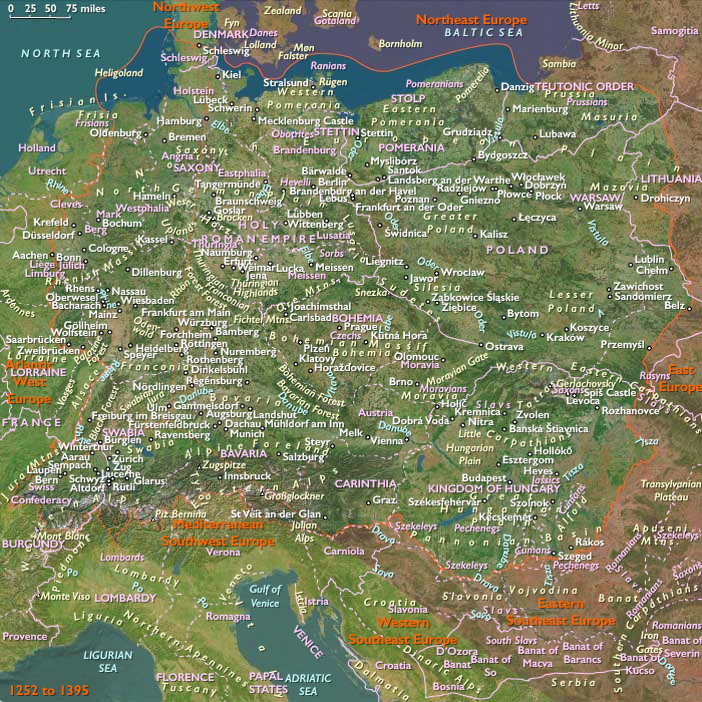
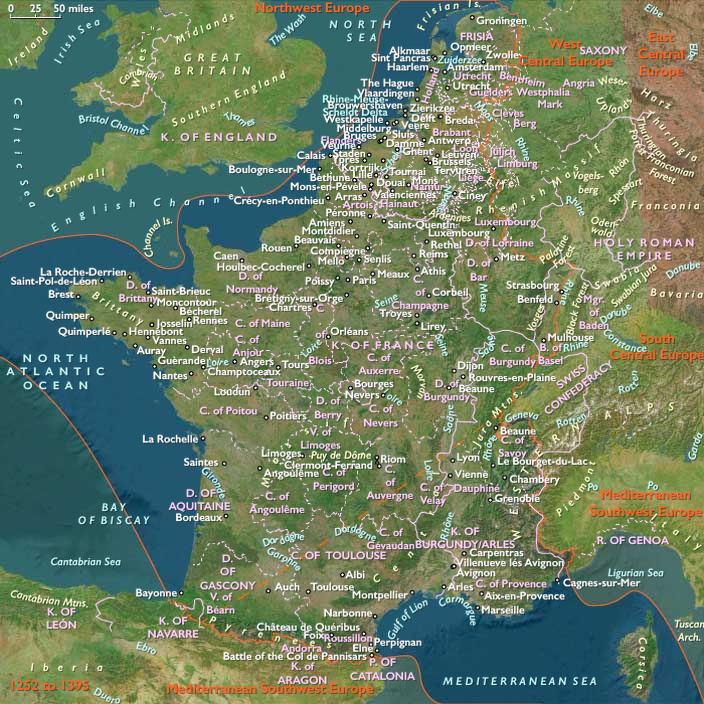

Subregions
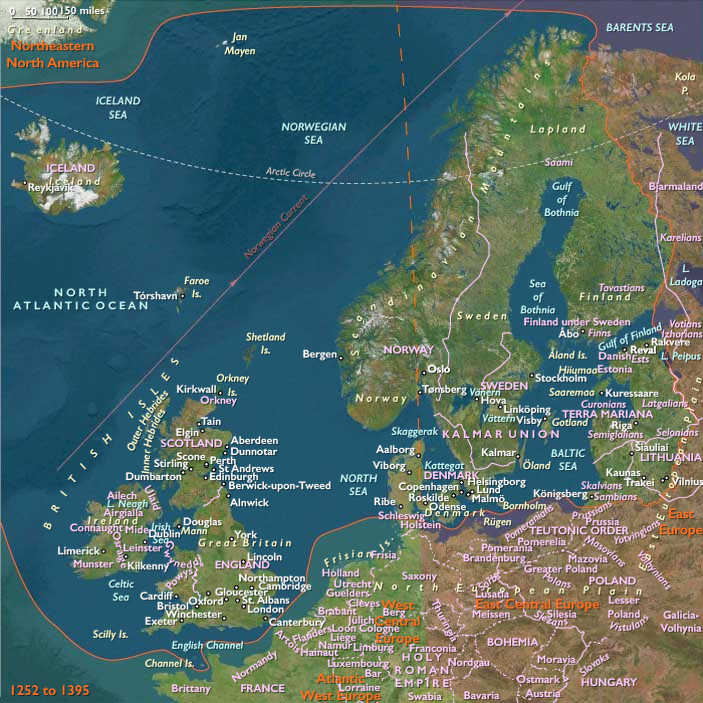
- East Europe
- Northeast Europe
- East Central Europe
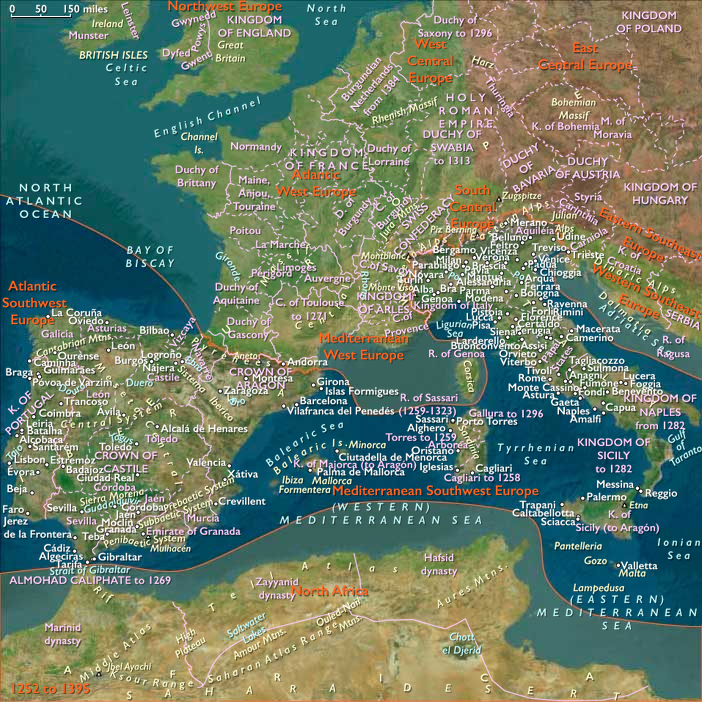
- Eastern Southeast Europe
- South Central Europe
- Mediterranean West Europe
- Atlantic Southwest Europe
- Atlantic West Europe
- West Central Europe
- Northwest Europe