
Filters:
São Tomé only becomes economically noteworthy with …
Years: 1516 - 1527
São Tomé only becomes economically noteworthy with the introduction of a land grant in 1515 of a water-powered sugar mill.
Just two years later in 1517, Portuguese documents highlight the importance of these sugar mills in the mass cultivation of sugar.
The documents state, "The fields are expanding and the sugar mills, too. At this time, only two sugar mills are here and another three are being built, counting the mill of the contractors, which is large. Similarly, the necessary conditions exist, such as streams and timber, to be able to build many more. And the [sugar] canes are the biggest I have ever seen in my life."
The expansion of sugar fields and production in São Tomé leads to the creation of plantations.
The creation of plantations results in an economic surge of sugar through slave labor.
Consequently, São Tomé's economy is based in sugar production and the slave trade.
By the mid-sixteenth century, the Portuguese settlers will have turned the islands into Africa's foremost exporter of sugar.
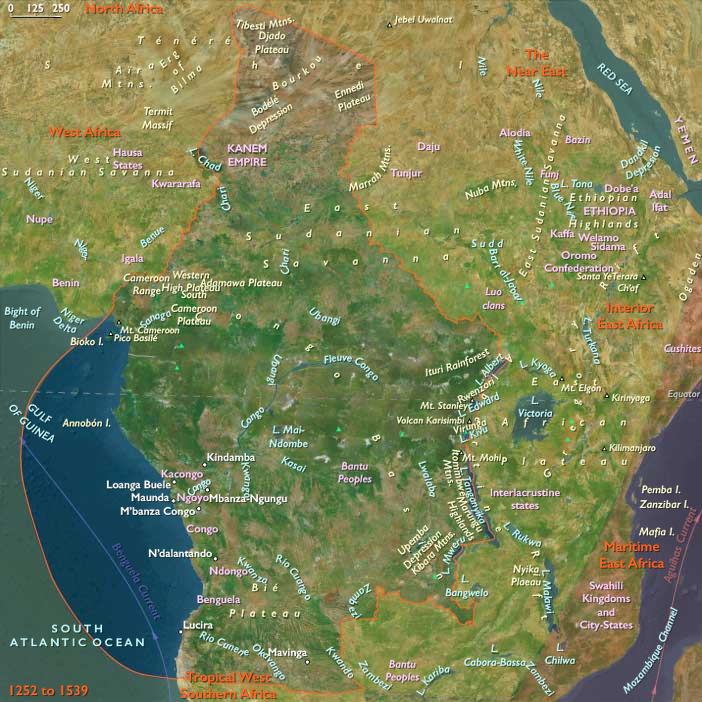
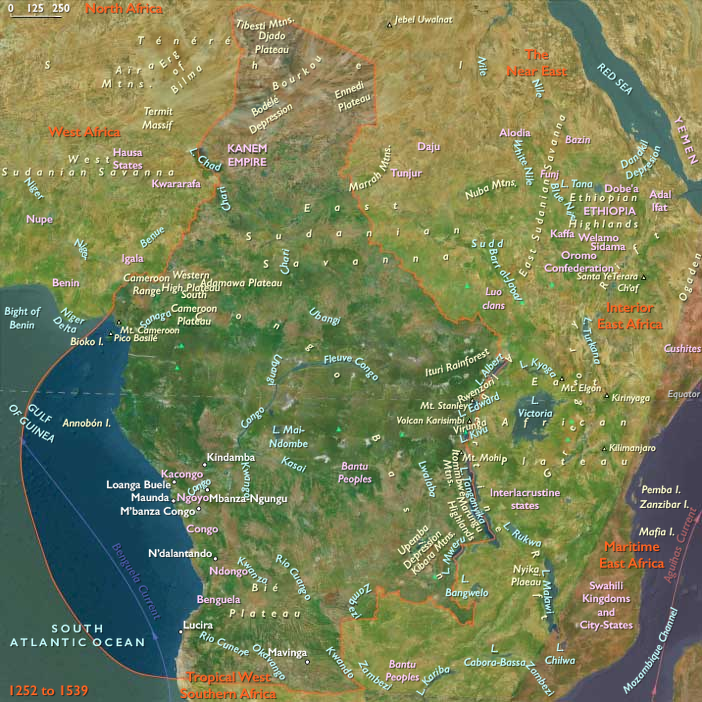
Slaves in São Tomé are bought from the Slave Coast of West Africa, the Niger Delta, the island Fernando Po, then later from the Kongo and Angola.
In the sixteenth century, the enslaved are imported from and exported to Portugal, Elmina, the Kingdom of Kongo, Angola, and the Spanish Americas.
In 1510, reportedly ten thousand to twelve thousand slaves had been imported by Portugal.
Then in 1516, São Tomé receives four thousand and seventy-to slaves with the purpose of re-exportation.
As a result, in 1519 the island becomes the center of the slave trade between Elmina and the Niger Delta, and will remain so up until 1540.
Just two years later in 1517, Portuguese documents highlight the importance of these sugar mills in the mass cultivation of sugar.
The documents state, "The fields are expanding and the sugar mills, too. At this time, only two sugar mills are here and another three are being built, counting the mill of the contractors, which is large. Similarly, the necessary conditions exist, such as streams and timber, to be able to build many more. And the [sugar] canes are the biggest I have ever seen in my life."
The expansion of sugar fields and production in São Tomé leads to the creation of plantations.
The creation of plantations results in an economic surge of sugar through slave labor.
Consequently, São Tomé's economy is based in sugar production and the slave trade.
By the mid-sixteenth century, the Portuguese settlers will have turned the islands into Africa's foremost exporter of sugar.
Slaves in São Tomé are bought from the Slave Coast of West Africa, the Niger Delta, the island Fernando Po, then later from the Kongo and Angola.
In the sixteenth century, the enslaved are imported from and exported to Portugal, Elmina, the Kingdom of Kongo, Angola, and the Spanish Americas.
In 1510, reportedly ten thousand to twelve thousand slaves had been imported by Portugal.
Then in 1516, São Tomé receives four thousand and seventy-to slaves with the purpose of re-exportation.
As a result, in 1519 the island becomes the center of the slave trade between Elmina and the Niger Delta, and will remain so up until 1540.
Locations
Groups
Topics
Commodoties
Subjects
Regions
Subregions
Years: 1516 - 1527
Locations
Groups
Topics
Commodoties
Subjects
Regions
Subregions