
The Crusaders capture Byblos in 1103, following …
Years: 1103 - 1103
The Crusaders capture Byblos in 1103, following which the site falls into decline.
Locations
People
- Alexios I Komnenos
- Bohemond I of Antioch
- Danishmend Gazi
- Fakhr al-Mulk Radwan
- Kilij Arslan I
- Raymond IV
Groups
- Arab people
- Lombards (West Germanic tribe)
- Greeks, Medieval (Byzantines)
- Islam
- Muslims, Sunni
- Syrian people
- Papal States (Republic of St. Peter)
- Toulouse, County of
- Flemish people
- Pechenegs, or Patzinaks
- Normans
- Turkmen people
- French people (Latins)
- Seljuq Empire (Isfahan)
- Christians, Roman Catholic
- Christians, Eastern Orthodox
- Danishmends
- Aleppo, Seljuq Emirate of
- Roman Empire, Eastern: Komnenos dynasty, restored
Topics
Commodoties
Subjects
Regions
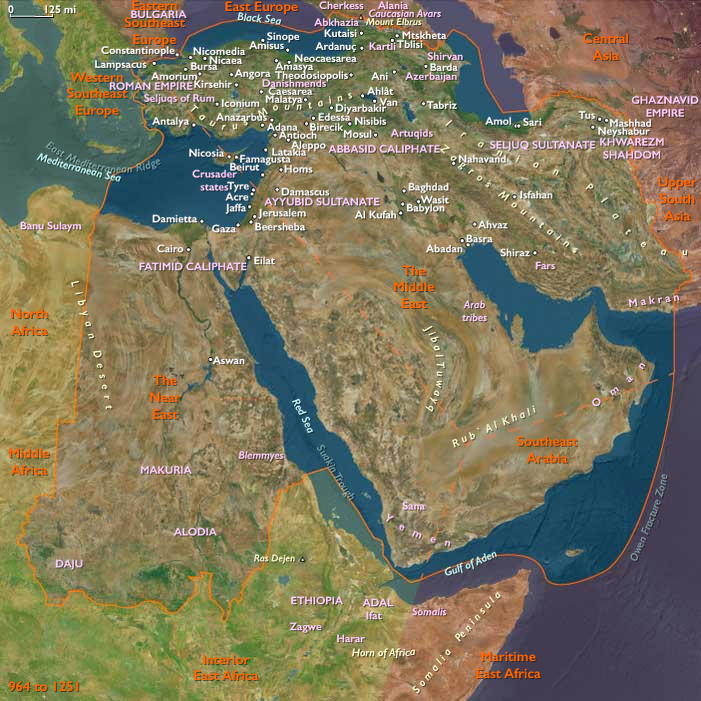
Subregions
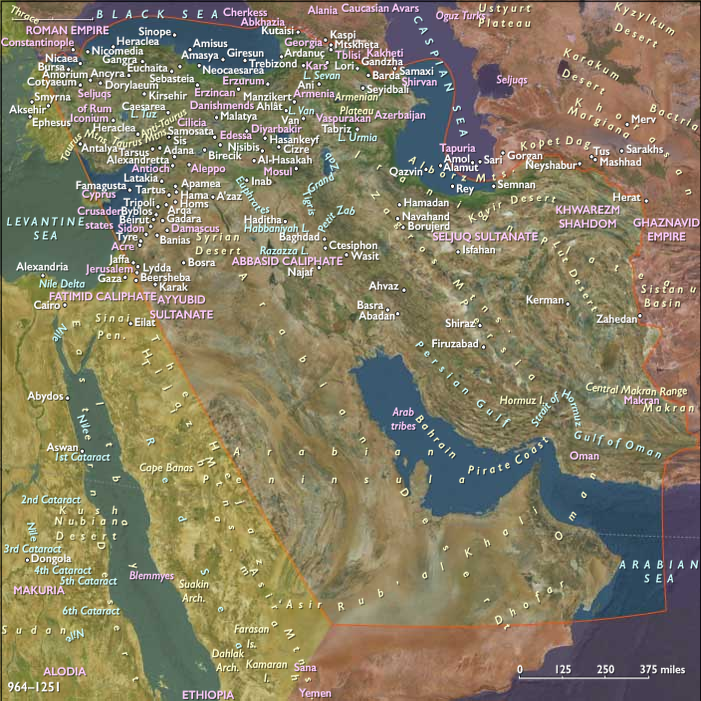
Related Events
Showing 10 events out of 49975 total
Years: 1103 - 1103
Locations
People
- Alexios I Komnenos
- Bohemond I of Antioch
- Danishmend Gazi
- Fakhr al-Mulk Radwan
- Kilij Arslan I
- Raymond IV
Groups
- Arab people
- Lombards (West Germanic tribe)
- Greeks, Medieval (Byzantines)
- Islam
- Muslims, Sunni
- Syrian people
- Papal States (Republic of St. Peter)
- Toulouse, County of
- Flemish people
- Pechenegs, or Patzinaks
- Normans
- Turkmen people
- French people (Latins)
- Seljuq Empire (Isfahan)
- Christians, Roman Catholic
- Christians, Eastern Orthodox
- Danishmends
- Aleppo, Seljuq Emirate of
- Roman Empire, Eastern: Komnenos dynasty, restored
Topics
Commodoties
Subjects
Regions
Subregions