
The Outbreak of the Hundred Years' War …
Years: 1336 - 1347
The Outbreak of the Hundred Years' War (1337)
In 1337, as Europe stood on the eve of the first wave of the Black Death, tensions between England and Franceerupted into what would become the Hundred Years' War (1337–1453). The immediate cause was Edward III of England’s claim to the French throne, which he asserted following the disputed succession of Philip VI under Salic Law. However, the conflict was also fueled by deeper territorial, economic, and feudal tensions, particularly over Gascony, a valuable English-controlled region in southwestern France.
The Changing Boundaries of War
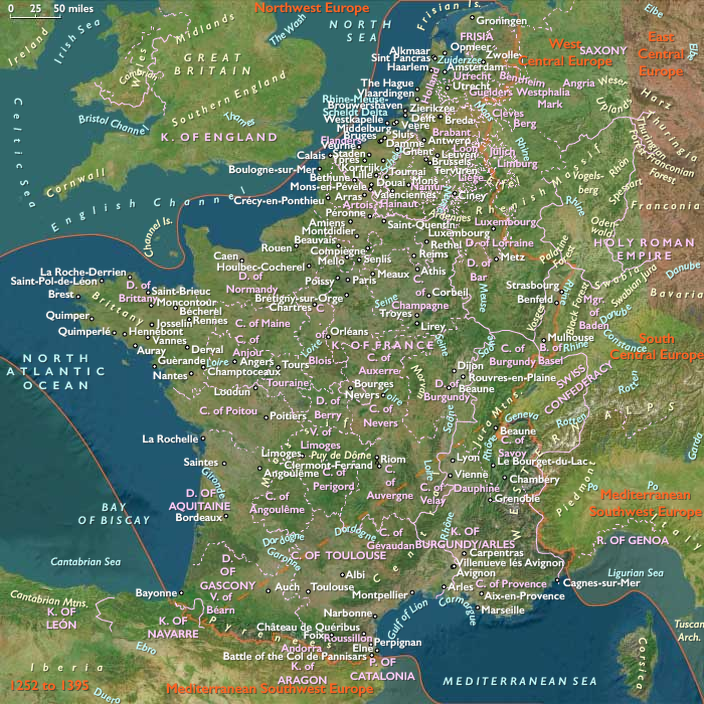
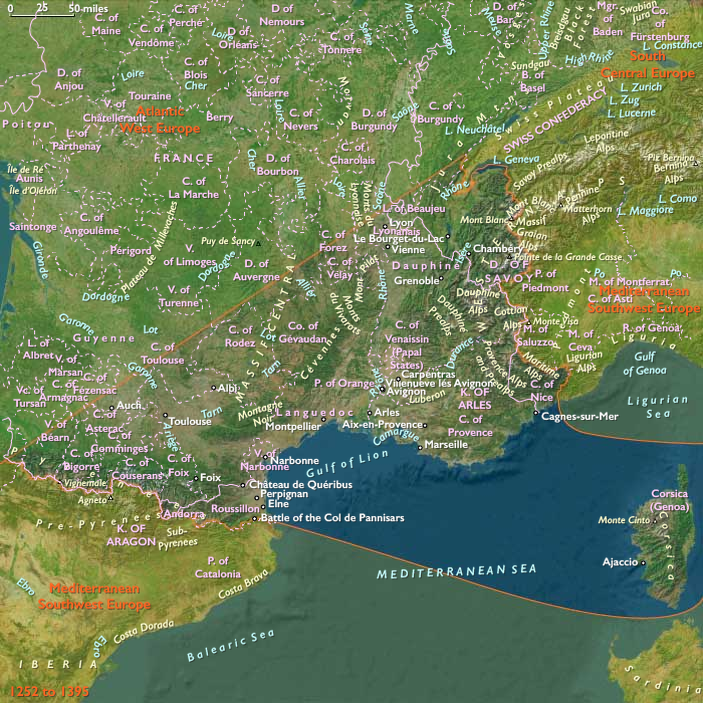
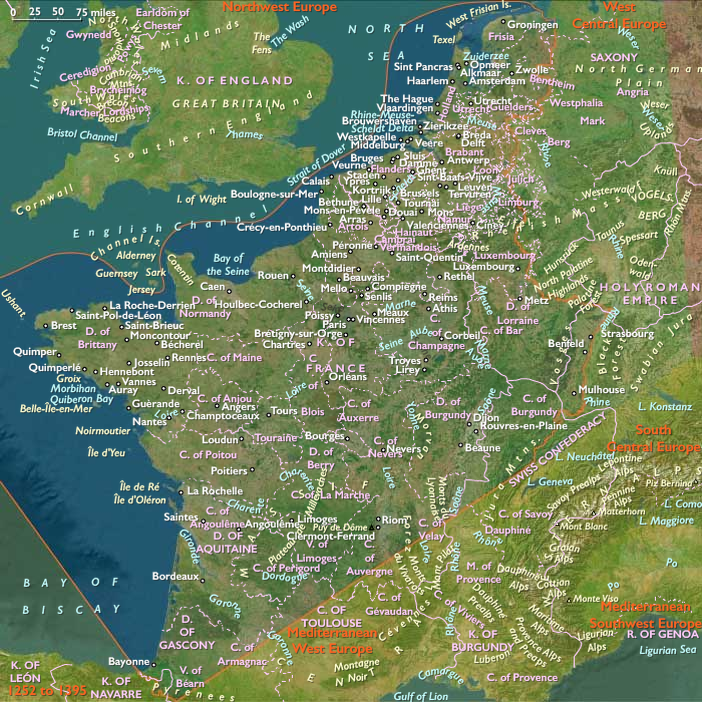
Throughout the conflict, territorial control shifted dramatically, with English and French fortunes rising and falling over successive campaigns. Despite intermittent truces and diplomatic efforts, the English maintained extensive landholdings in France for much of the war, at times controlling nearly half the kingdom, including Normandy, Aquitaine, and even Paris.
Key phases of the war included:
- Edwardian Phase (1337–1360) – English victories at Crécy (1346) and Poitiers (1356), leading to the Treaty of Brétigny (1360), which ceded large French territories to England.
- Caroline Phase (1369–1389) – A French resurgence under Charles V, reclaiming much of the lost territory.
- Lancastrian Phase (1415–1453) – Henry V’s stunning victory at Agincourt (1415) and the Treaty of Troyes (1420), which temporarily recognized English rule over France.
The Turning Point: Joan of Arc and the French Counteroffensive
By the 1420s, English rule in France seemed secure, but the emergence of Joan of Arc in 1429 proved decisive. With her divine conviction and military leadership, she inspired French forces to lift the siege of Orléans and secure a decisive victory at Patay. Alongside commanders like La Hire (Étienne de Vignolles), she spearheaded the reconquest of key regions, culminating in the coronation of Charles VII at Reims.
Following Joan’s martyrdom in 1431, French forces continued their counteroffensive, reclaiming English-held territory piece by piece. By 1453, with the fall of Bordeaux, England had lost nearly all its continental possessions, except Calais, which would remain in English hands until 1558.
The Long-Term Impact
The Hundred Years' War reshaped both nations:
- France emerged as a more centralized kingdom, with a strengthened monarchy and professionalized army.
- England, though losing its continental empire, began to develop a stronger national identity, turning its focus toward domestic consolidation and later imperial ambitions.
The war, marked by charismatic leaders, fluctuating fortunes, and enduring national rivalries, remains one of the most defining conflicts of medieval Europe.
People
Groups
- French people (Latins)
- France, (Capetian) Kingdom of
- English people
- England, (Plantagenet, Angevin) Kingdom of
- France, (Valois) Kingdom of
Topics
Subjects
Regions
Subregions
Related Events
Showing 10 events out of 44539 total
Years: 1336 - 1347
People
Groups
- French people (Latins)
- France, (Capetian) Kingdom of
- English people
- England, (Plantagenet, Angevin) Kingdom of
- France, (Valois) Kingdom of
Topics
Subjects
Regions
Subregions