
The Crisis of the Third Century (235–284 …
Years: 232 - 243
The Crisis of the Third Century (235–284 CE): Rome’s Near Collapse
The Crisis of the Third Century, also called the "Military Anarchy" or "Imperial Crisis," was a period of severe instability in the Roman Empire, lasting from 235 to 284 CE. Marked by external invasions, internal civil war, and economic collapse, this crisis nearly led to the empire’s disintegration and permanently altered Roman institutions, society, and governance.
The Three Simultaneous Crises
-
External Invasions:
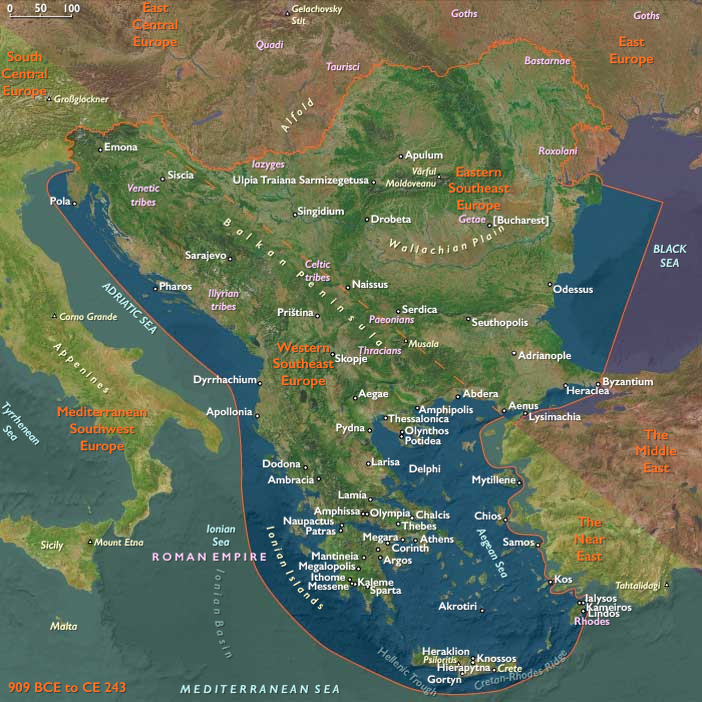
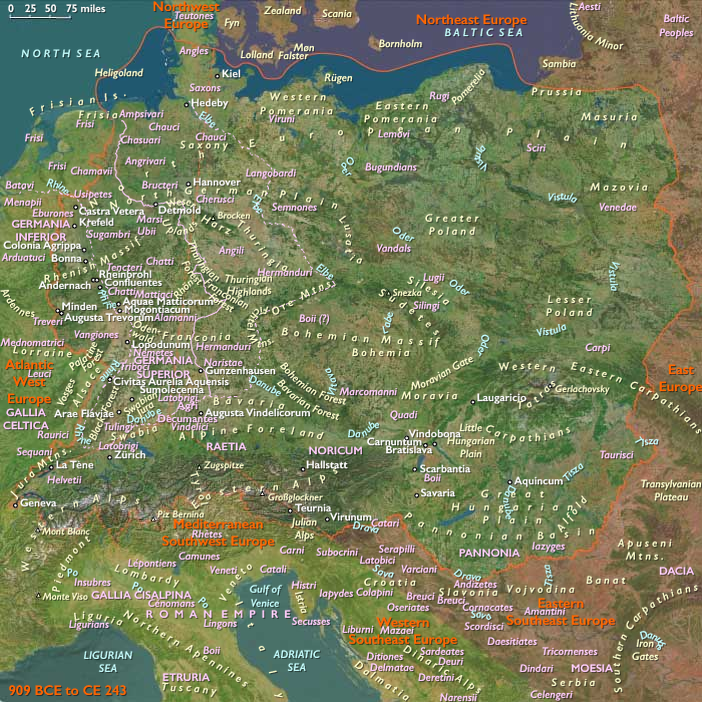
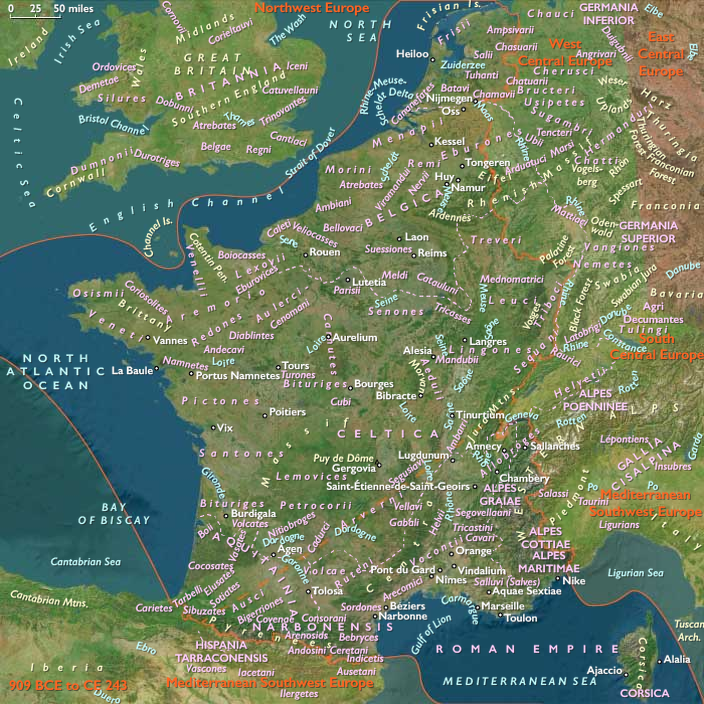
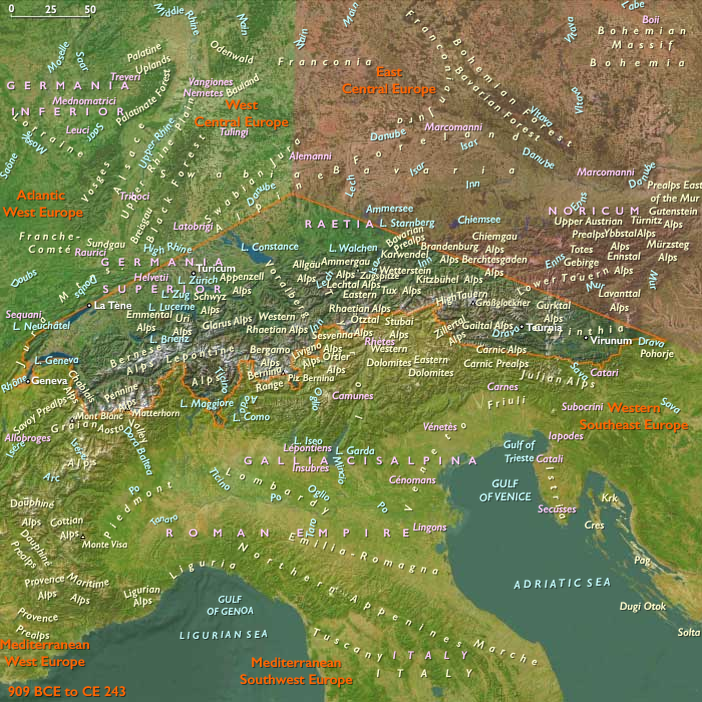
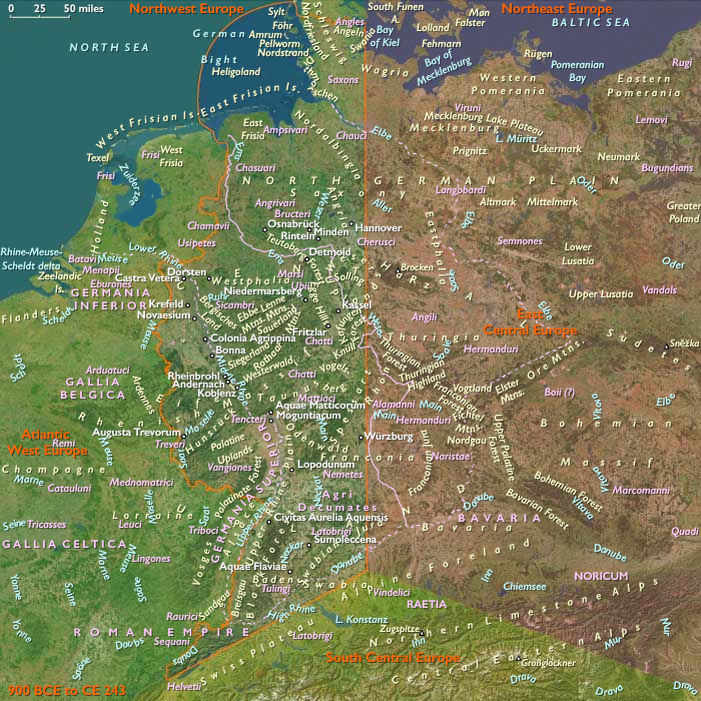
- The Goths, Vandals, and Alemanni launched devastating raids across Gaul, the Balkans, and Italy.
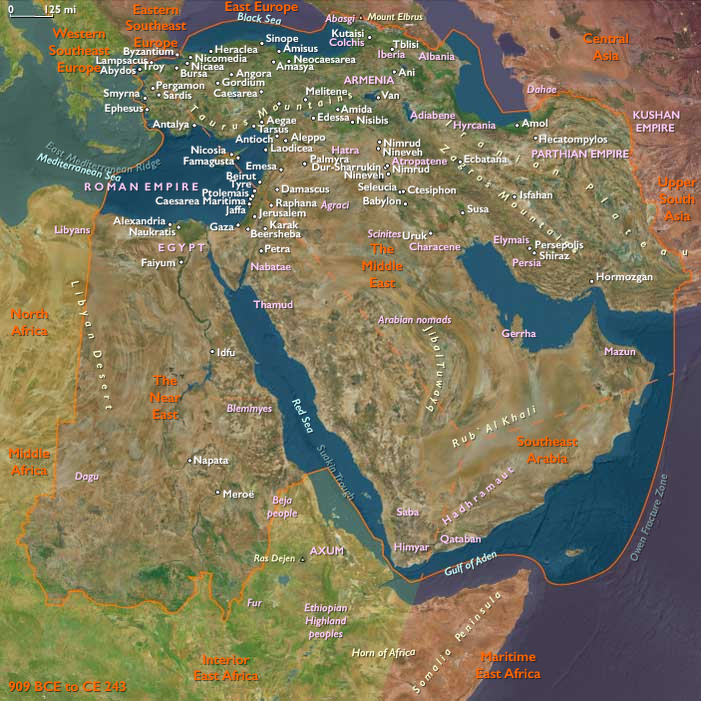
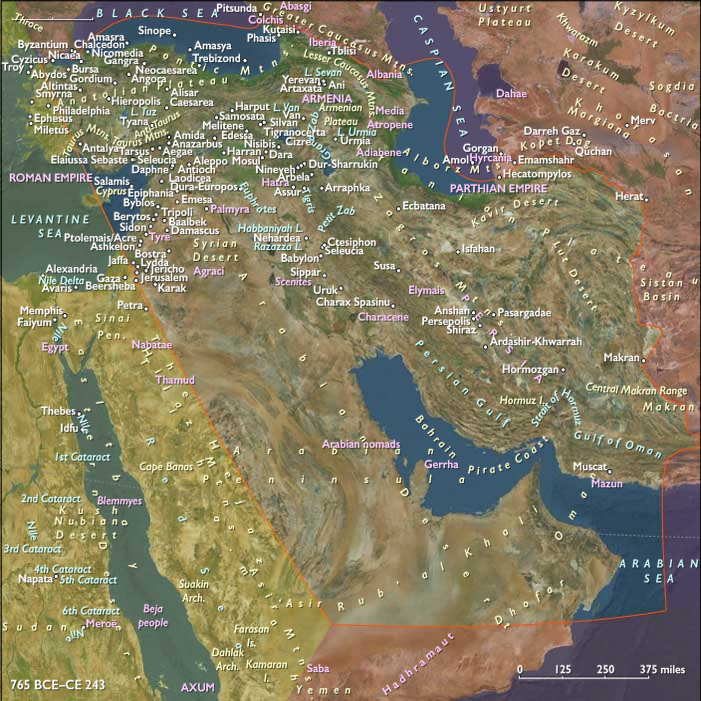
- The Sassanid Persian Empire aggressively pushed into Mesopotamia, even capturing Emperor Valerian in 260 CE.
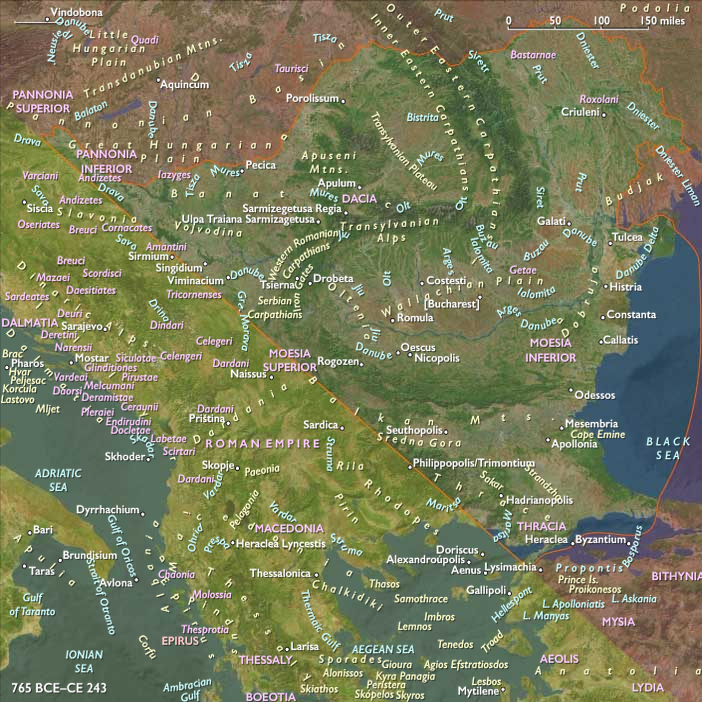
- The Danube and Rhine frontiers collapsed, forcing Rome into constant defensive wars.
-
Internal Civil War:
- More than 25 emperors ruled in just 50 years, most meeting violent ends at the hands of rival factions or mutinous troops.
- Legions declared their own generals as emperors, leading to endless power struggles.
- The empire briefly split into three competing states:
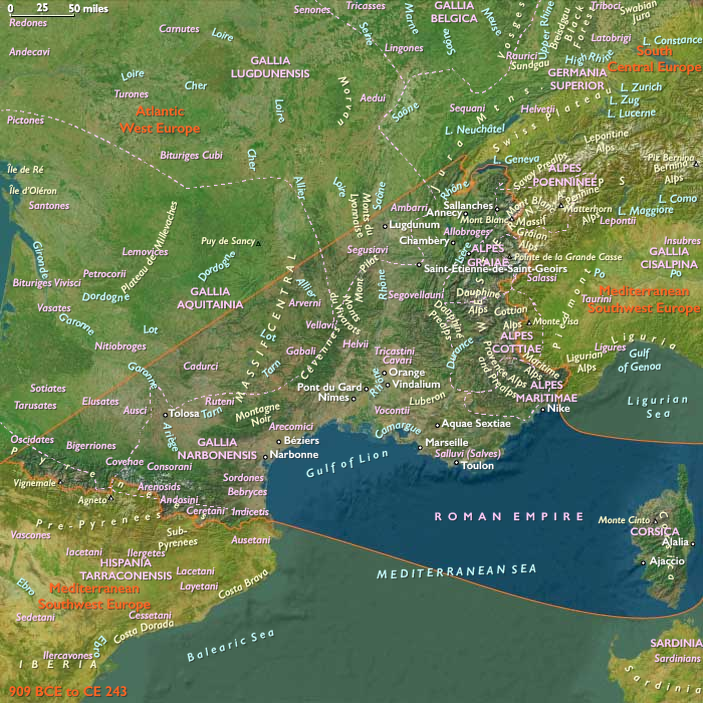
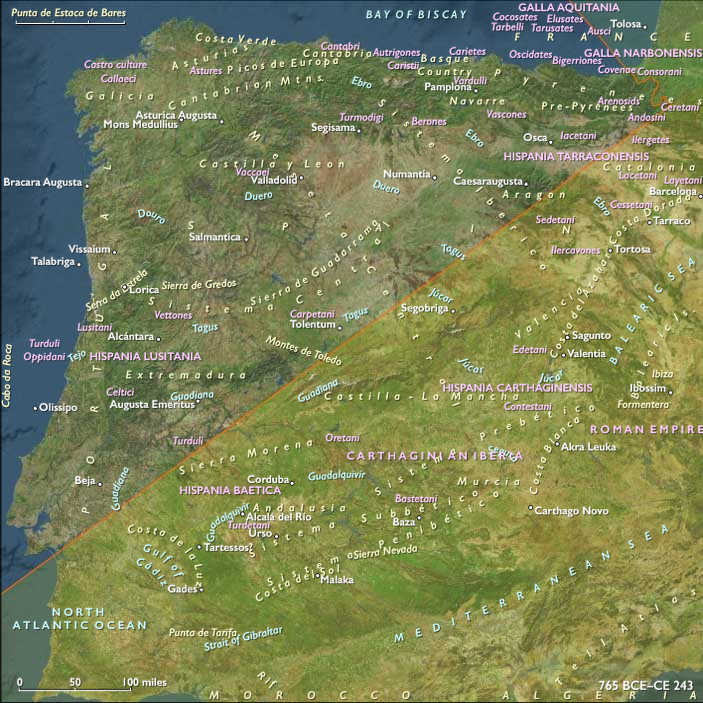
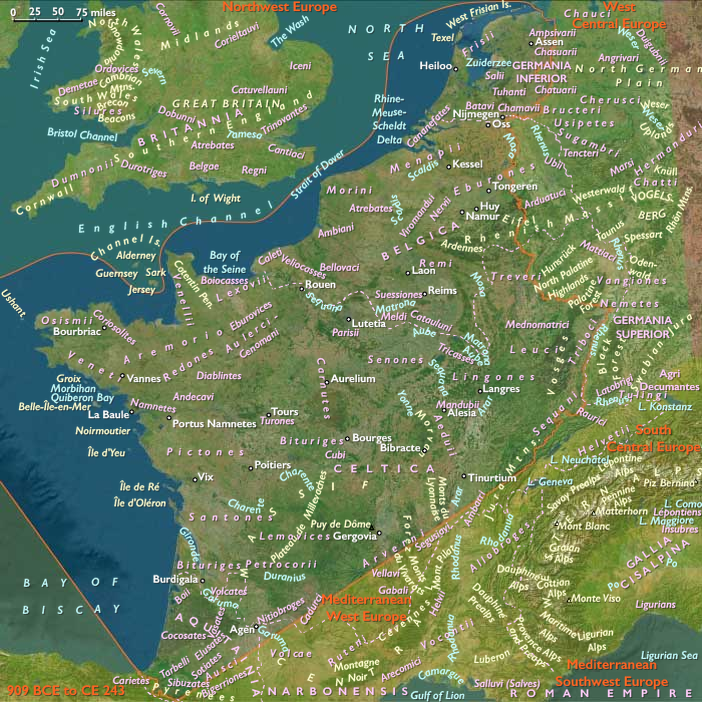
- The Gallic Empire (Gaul, Britain, and Spain).
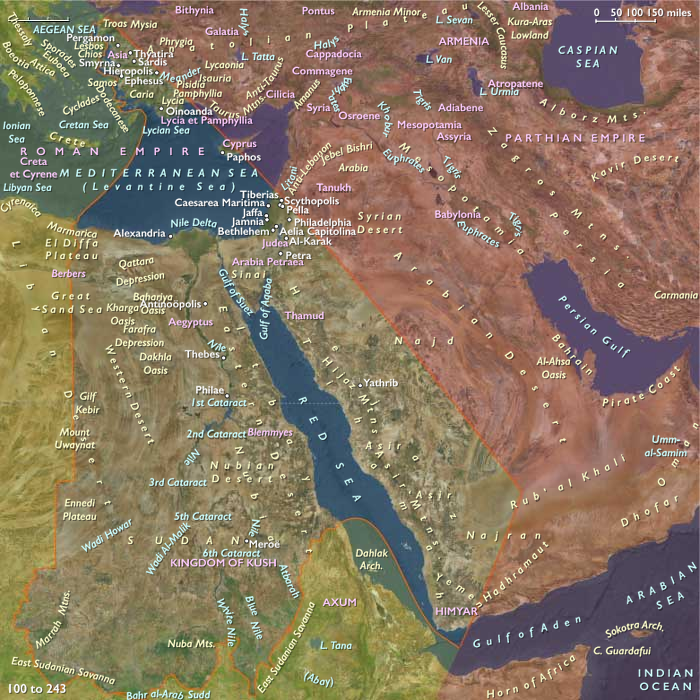
- The Palmyrene Empire (Syria and Egypt).
- The central Roman Empire, ruled by whoever controlled Italy.
-
Economic Collapse:
- Rome’s currency was devalued, leading to hyperinflation and a breakdown of trade.
- The tax system crumbled, forcing local provinces into a barter economy.
- Cities shrank, and large landowners gained power, beginning a shift toward a feudal-like system.
The Crisis as a Watershed Moment
Historians increasingly view the Crisis of the Third Century as the key transition between the classical Roman world and late antiquity:
-
Political Structure Changes:
- The empire became more militarized and autocratic, reducing senatorial influence.
- The rise of soldier-emperors meant that military power determined leadership, not Roman traditions.
-
Social and Economic Shifts:
- The weakened economy led to localization, with provinces relying on self-sufficient estates rather than long-distance trade.
- Cities declined in importance, while wealthy landowners gained more power, foreshadowing medieval feudal structures.
-
Religious Transformations:
- Traditional Roman polytheism weakened, while new religions, including Christianity and Eastern mystery cults, gained followers.
- The persecution of Christians intensified, as emperors sought to reinforce unity through traditional Roman gods.
The Road to Recovery: Diocletian and the Tetrarchy (284 CE)
- In 284 CE, Emperor Diocletian seized power and ended the crisis, implementing sweeping military, economic, and political reforms.
- He created the Tetrarchy, dividing the empire into Eastern and Western halves, stabilizing governance.
- His policies restored temporary order, but the empire had already fundamentally changed.
Conclusion: A Turning Point for Rome
The Crisis of the Third Century was a watershed moment in Roman history, marking the transition from the Principate (27 BCE–284 CE) to the Dominate (284–476 CE).
While Rome survived, it emerged transformed, setting the stage for:
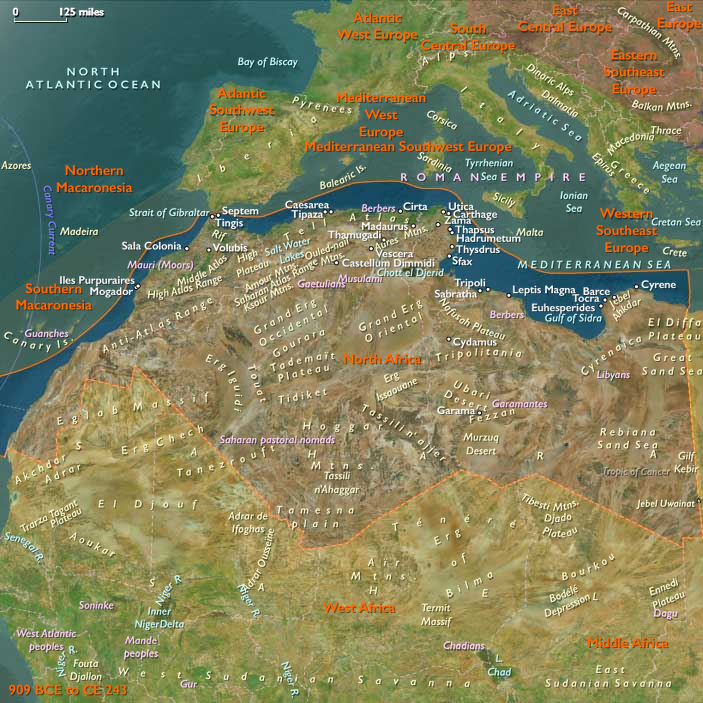
- The eventual division of the empire into East and West.
- The rise of feudal land structures.
- The growing dominance of Christianity.
This tumultuous period reshaped Rome, leading to a new political and social order that would define Late Antiquity and the Middle Ages.
Groups
Topics
- Classical antiquity
- Crisis of the Third Century (Roman Civil “War” of 235-84)
- Year of the Six Emperors, or Roman Civil War of 238
Commodoties
Subjects
Regions
- The Near and Middle East
- Southeast Europe
- Central Europe
- West Europe
- North Europe
- North Africa
- Southwest Europe
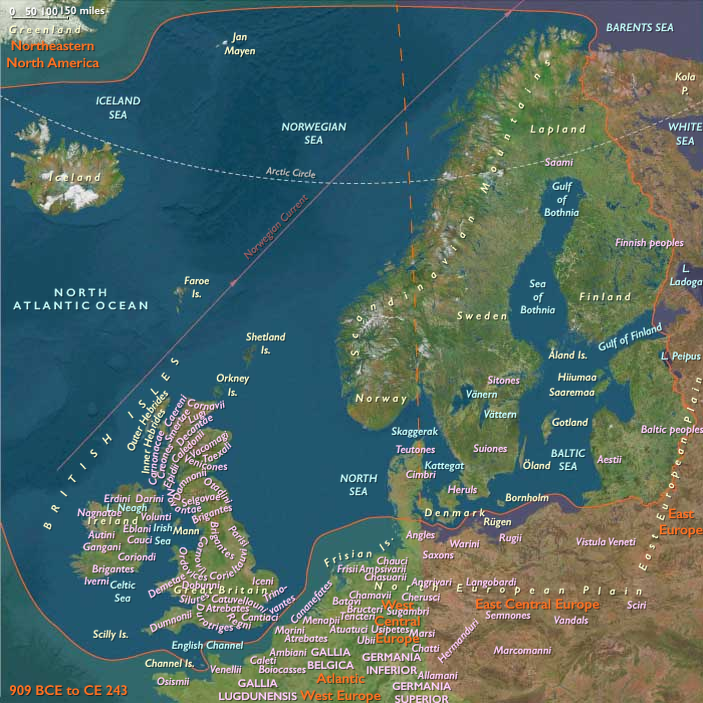
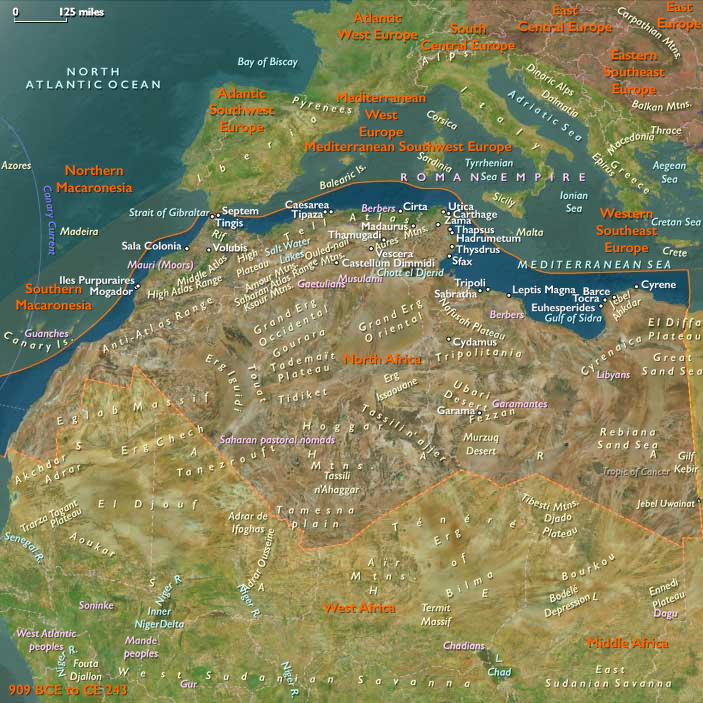
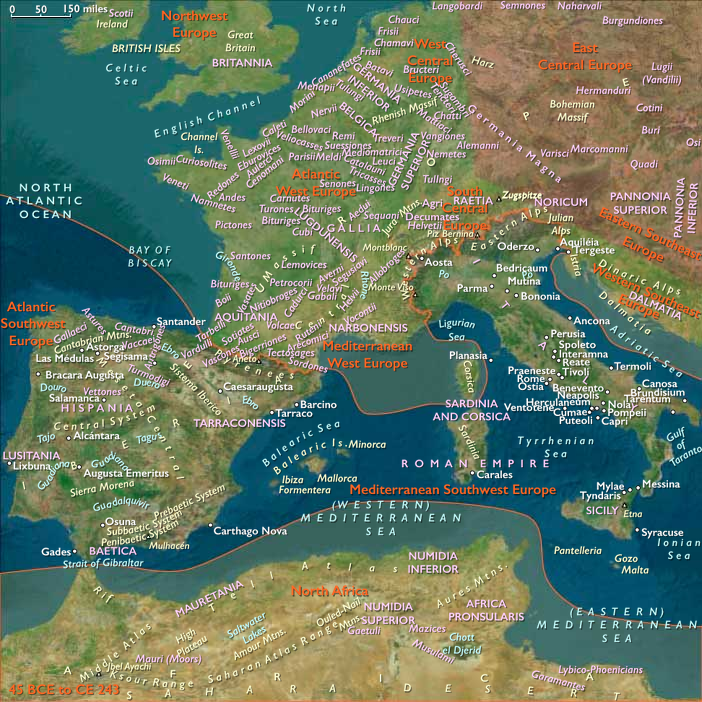
Subregions
- East Central Europe
- Eastern Southeast Europe
- Middle East
- Near East
- Western Southeast Europe
- South Central Europe
- Mediterranean West Europe
- Mediterranean Southwest Europe
- North Africa
- Atlantic Southwest Europe
- Atlantic West Europe
- West Central Europe
- Northwest Europe
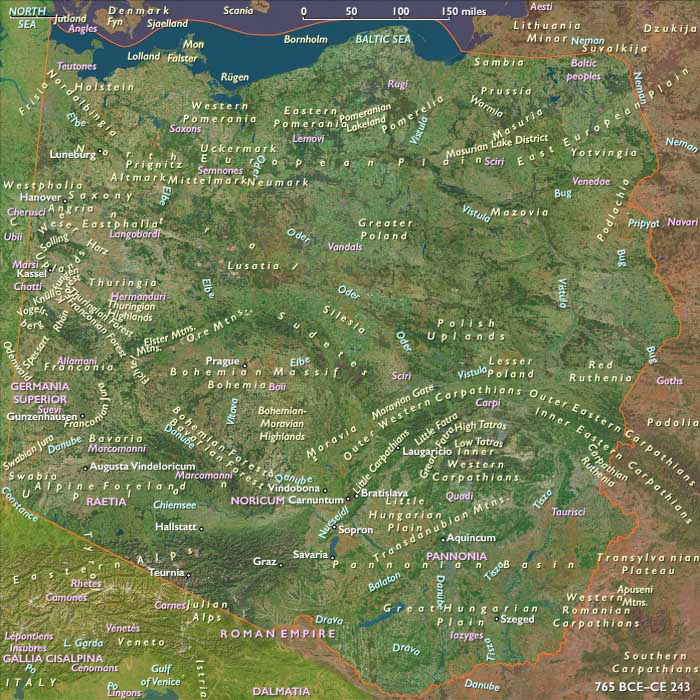
Related Events
Showing 10 events out of 60585 total
Years: 232 - 243
Groups
Topics
- Classical antiquity
- Crisis of the Third Century (Roman Civil “War” of 235-84)
- Year of the Six Emperors, or Roman Civil War of 238
Commodoties
Subjects
Regions
- The Near and Middle East
- Southeast Europe
- Central Europe
- West Europe
- North Europe
- North Africa
- Southwest Europe
Subregions
- East Central Europe
- Eastern Southeast Europe
- Middle East
- Near East
- Western Southeast Europe
- South Central Europe
- Mediterranean West Europe
- Mediterranean Southwest Europe
- North Africa
- Atlantic Southwest Europe
- Atlantic West Europe
- West Central Europe
- Northwest Europe