
Filters:
The Union of Lublin establishes the Polish–Lithuanian …
Years: 1564 - 1575
The Union of Lublin establishes the Polish–Lithuanian Commonwealth in 1569 and much Ukrainian territory is transferred from Lithuania to the Crown of the Kingdom of Poland, becoming Polish territory de jure.
Under the demographic, cultural and political pressure of Polonization, which had begun in the late fourteenth century, many landed gentry of Polish Ruthenia (another name for the land of Rus) convert to Catholicism and become indistinguishable from the Polish nobility.
Deprived of native protectors among Rus nobility, the commoners (peasants and townspeople) begin turning for protection to the emerging Zaporozhian Cossacks, who by the seventeenth century become devoutly Orthodox.
The Cossacks do not shy from taking up arms against those they perceive as enemies, including the Polish state and its local representatives.
Under the demographic, cultural and political pressure of Polonization, which had begun in the late fourteenth century, many landed gentry of Polish Ruthenia (another name for the land of Rus) convert to Catholicism and become indistinguishable from the Polish nobility.
Deprived of native protectors among Rus nobility, the commoners (peasants and townspeople) begin turning for protection to the emerging Zaporozhian Cossacks, who by the seventeenth century become devoutly Orthodox.
The Cossacks do not shy from taking up arms against those they perceive as enemies, including the Polish state and its local representatives.
Locations
Groups
- Lithuanians (Eastern Balts)
- Poles (West Slavs)
- Christians, Roman Catholic
- Christians, Eastern Orthodox
- Christians, Eastern Catholic (Uniate)
- Ukrainians (East Slavs)
- Russians (East Slavs)
- Poland of the Jagiellonians, Kingdom of
- Lithuania, Grand Duchy of
- Podolian Voivodeship
- Cossacks, Zaporozhian
- Polish-Lithuanian Commonwealth (Commonwealth of the Two Nations)
- Cossack Hetmanate of the Zaporozhian Host
Subjects
Regions
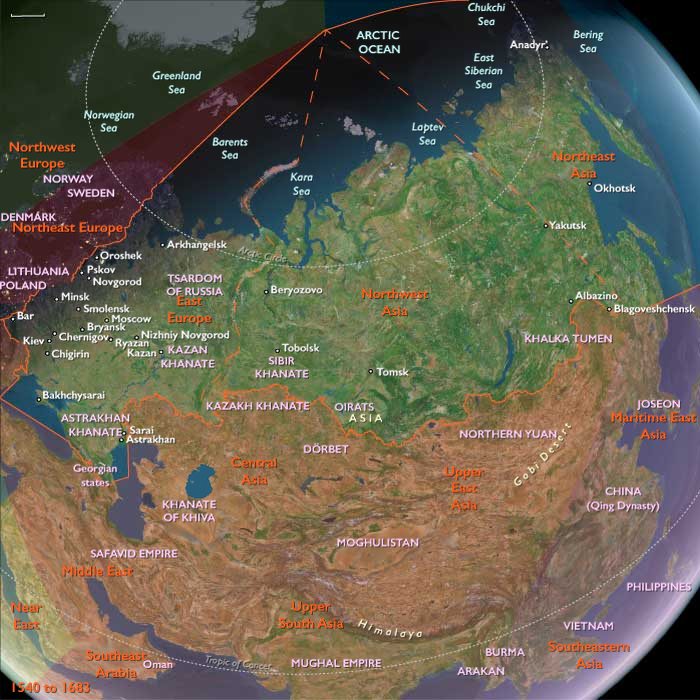
Subregions
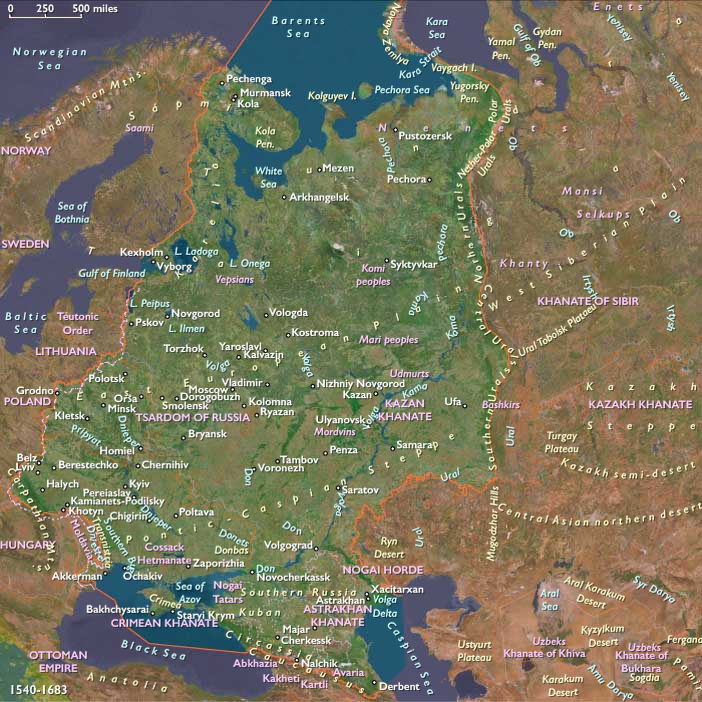
Years: 1564 - 1575
Locations
Groups
- Lithuanians (Eastern Balts)
- Poles (West Slavs)
- Christians, Roman Catholic
- Christians, Eastern Orthodox
- Christians, Eastern Catholic (Uniate)
- Ukrainians (East Slavs)
- Russians (East Slavs)
- Poland of the Jagiellonians, Kingdom of
- Lithuania, Grand Duchy of
- Podolian Voivodeship
- Cossacks, Zaporozhian
- Polish-Lithuanian Commonwealth (Commonwealth of the Two Nations)
- Cossack Hetmanate of the Zaporozhian Host
Subjects
Regions
Subregions