
The Council of Seleucia-Ctesiphon, also called the …
Years: 410 - 410
June
The Council of Seleucia-Ctesiphon, also called the Council of Mar Isaac, meets in 410 in Seleucia-Ctesiphon, the capital of the Sassanid Empire of Persia.
The council extends official recognition to the Empire's Christian community, later to be known as the Church of the East, and establishes the Bishop of Seleucia-Ctesiphon as its Catholicos, or leader.
It marks a major milestone in the history of the Church of the East and of Christianity in Asia in general.
The council is called by Mar Isaac, bishop of Seleucia-Ctesiphon, who is then declared as the primate of the Sassanid church, confirming him as Catholicos and Archbishop of all the Orient.
The decision is substantial, as Christians in the Sassanid Empire up to that point are fairly disorganized and persecuted, and Zoroastrianism is instead the primary religion of the Empire.
In 409, permission had been formally given by the Zoroastrian King Yezdegerd to the Christians to even exist: to worship openly, and to rebuild destroyed churches, though they are not allowed to proselytize.
The Synod also declares its adherence to the decisions of the Council of Nicea and subscribes to the Nicene Creed.
Locations
People
Groups
- Zoroastrians
- Persian Empire, Sassanid, or Sasanid
- Christianity, Nicene
- Roman Empire: Theodosian dynasty (Constantinople)
Topics
Subjects
Regions
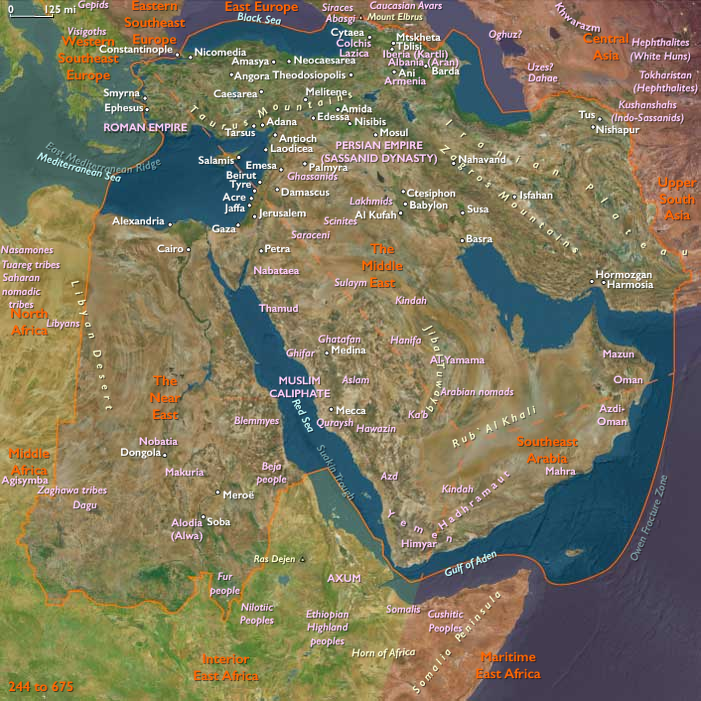
Subregions
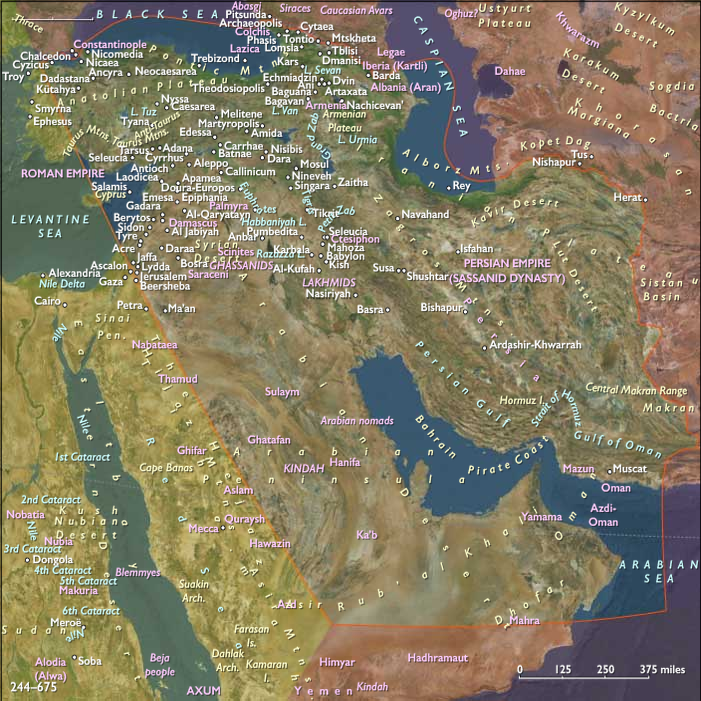
Related Events
Showing 10 events out of 59166 total
Years: 410 - 410
June
Locations
People
Groups
- Zoroastrians
- Persian Empire, Sassanid, or Sasanid
- Christianity, Nicene
- Roman Empire: Theodosian dynasty (Constantinople)
Topics
Subjects
Regions
Subregions