
The Conspiracy of Piso and the Fall …
Years: 64 - 75
The Conspiracy of Piso and the Fall of Nero (65–68 CE)
The conspiracy of Gaius Calpurnius Piso in 65 CE marked a turning point in Emperor Nero’s reign, reflecting the widespread dissatisfaction among the Roman elite over his increasingly despotic and erratic rule.
- Piso, a prominent senator, sought to overthrow Nero, rallying support from senators, equestrians, military officers, and even some of Nero’s inner circle.
- The plot was discovered, leading to mass executions, including the deaths of the philosopher Seneca, the poet Lucan, and the general Faenius Rufus.
- Paranoia consumed Nero, as he increasingly alienated the Senate, the Praetorian Guard, and provincial governors, accelerating his downfall.
By 68 CE, multiple governors and legions revolted, and the Senate declared Nero an enemy of the state (hostis publicus). Facing certain execution, Nero committed suicide on June 9, 68 CE, famously lamenting:
"Qualis artifex pereo!" (What an artist dies in me!).
The Year of the Four Emperors (68–69 CE): Rome in Chaos
Following Nero’s death, Rome was plunged into civil war, as multiple generals vied for the throne. Over a tumultuous eighteen months, the empire saw the rise and fall of four emperors:
-
Galba (June 68 – January 69 CE)
- The Senate declared Galba emperor, but he alienated the Praetorian Guard by refusing to pay them a promised donative.
- His harsh governance led to his assassination by supporters of Otho.
-
Otho (January – April 69 CE)
- Otho quickly seized power, but his reign was challenged by Vitellius, who had the backing of the German legions.
- After losing the Battle of Bedriacum, Otho committed suicide rather than prolong the civil war.
-
Vitellius (April – December 69 CE)
- Initially victorious, Vitellius' reign was marred by extravagance, incompetence, and brutality.
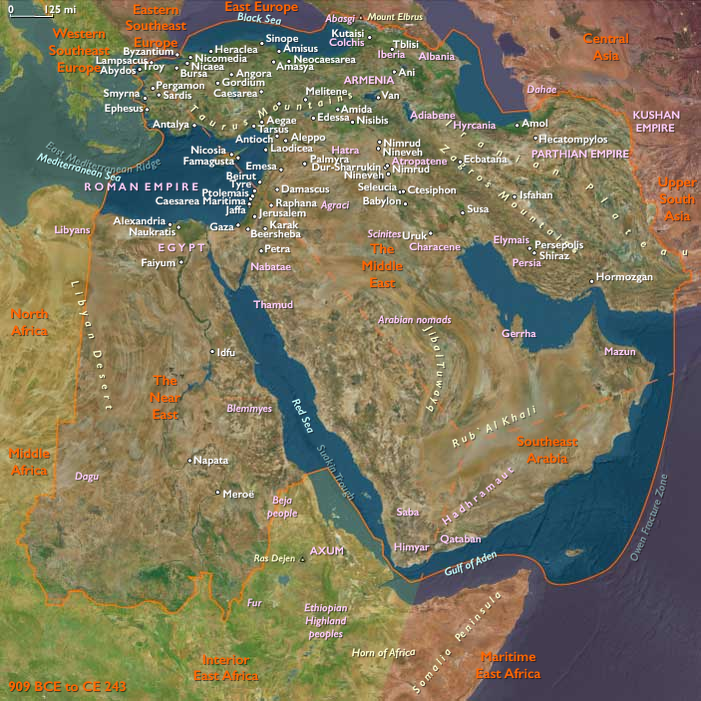
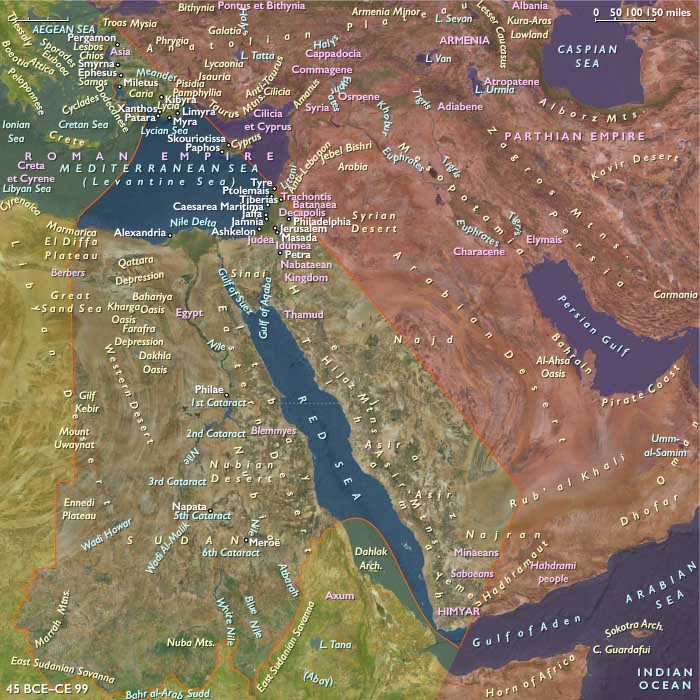
- His rule was challenged by Vespasian, the commander of the eastern legions, who had secured the loyalty of Syria, Egypt, and Judea.
- Vitellius was captured and killed by Vespasian’s forces.
-
Vespasian (July 69 – 79 CE)
- Vespasian consolidated power, bringing an end to the civil war and establishing the Flavian dynasty.
Broader Consequences of the Political Anarchy
The instability of 69 CE had far-reaching effects, extending beyond Rome:
-
The Batavian Rebellion (69–70 CE)
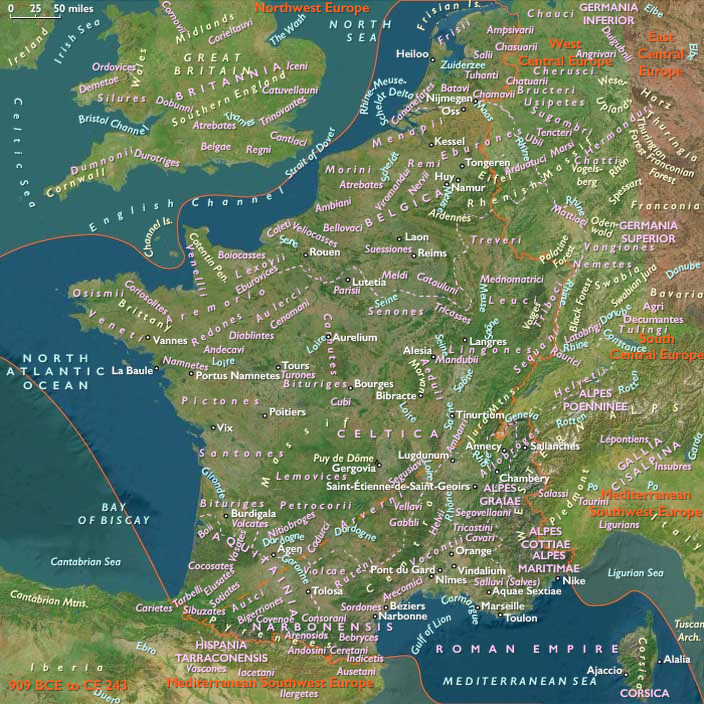
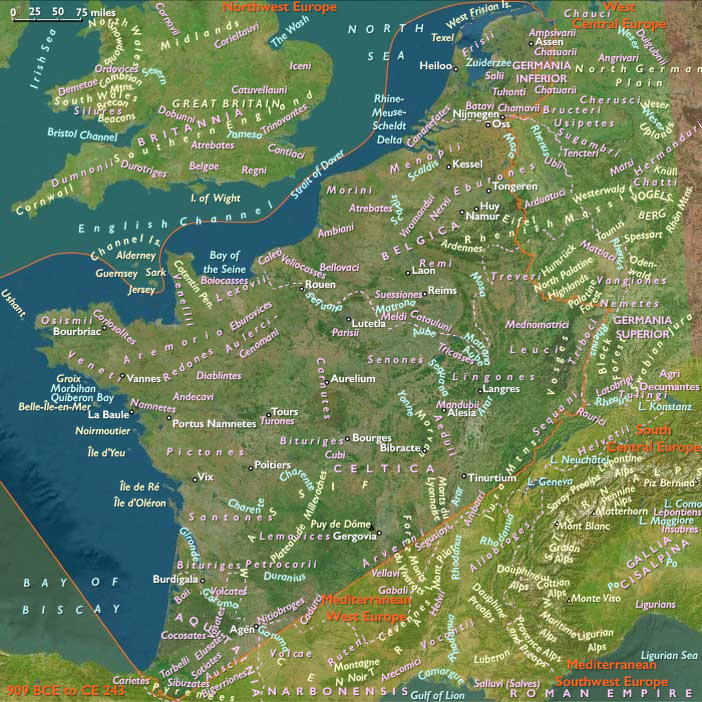
- The Batavi, a Germanic auxiliary people in Germania Inferior (modern Netherlands), led a major revolt against Roman rule.
- Led by Julius Civilis, they exploited Rome’s civil war to briefly expel Roman forces from the Rhine frontier.
- Vespasian’s general, Petillius Cerialis, eventually crushed the rebellion, restoring Roman authority.
-
The Jewish Revolt (66–73 CE)
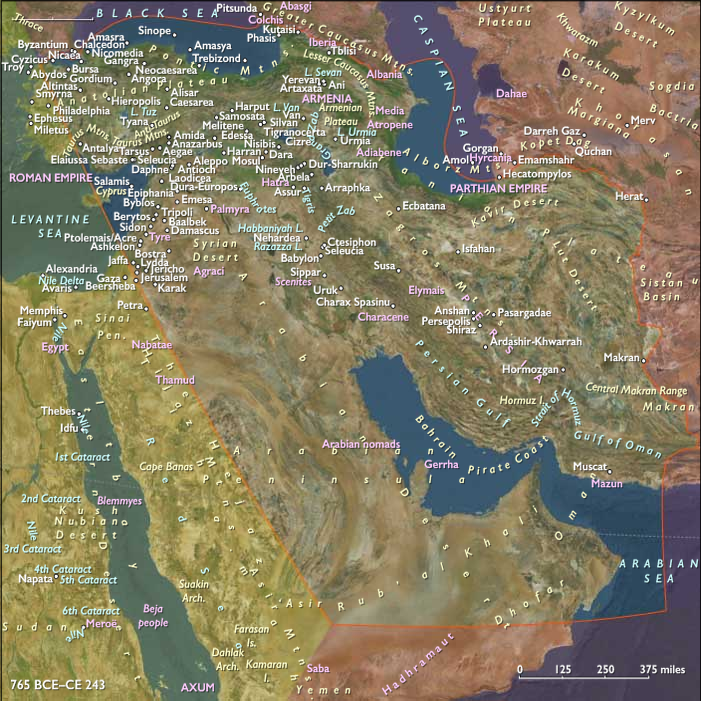
- The Jewish Revolt in Judea, which had begun in 66 CE, remained unresolved during the Roman civil war.
- After securing the throne, Vespasian left the final suppression of the revolt to his son, Titus, who would capture and destroy Jerusalem in 70 CE.
Legacy of the Year of the Four Emperors
- The chaos of 68–69 CE revealed the fragility of imperial succession, demonstrating that power lay in the hands of the legions rather than the Senate.
- The Flavian dynasty, established by Vespasian, marked the beginning of a more stable and militarized Rome, ensuring that future emperors would need strong military backing to maintain power.
- The pattern of civil wars and contested successions would repeat throughout Roman history, particularly during the Crisis of the Third Century (235–284 CE).
The Piso Conspiracy, Nero’s downfall, and the Year of the Four Emperors signified the end of the Julio-Claudian dynasty and the beginning of a new era, where military loyalty determined imperial legitimacy.
People
Groups
- Jews
- Batavi (Germanic tribe)
- Judea (Roman province)
- Roman Empire (Rome): Julio-Claudian dynasty
- Roman Empire (Rome): Flavian dynasty
Topics
- Pisonian conspiracy
- First Jewish-Roman War, or Jewish Revolt of 66-73
- Jewish–Roman wars
- Year of the Four Emperors, or Roman Civil War of 68-69
- Batavi, Revolt of the
Subjects
Regions


Subregions
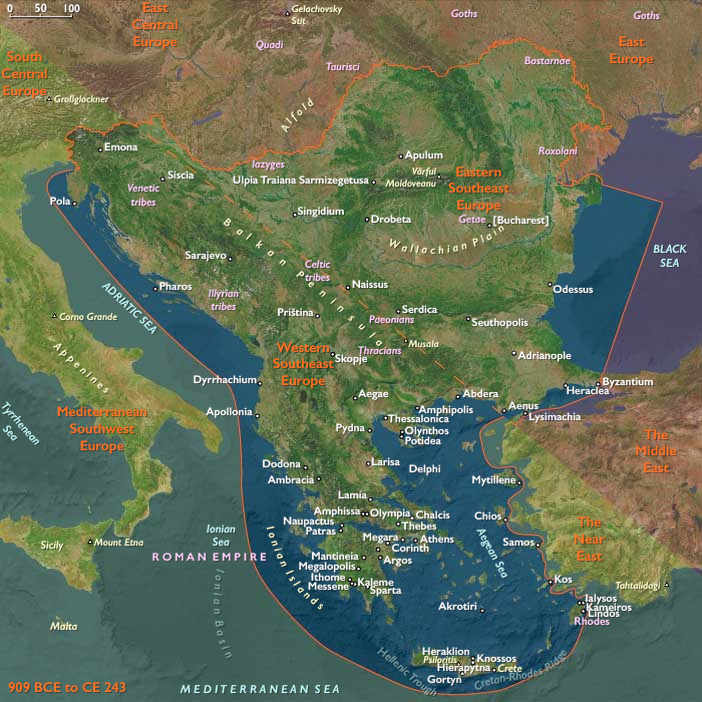
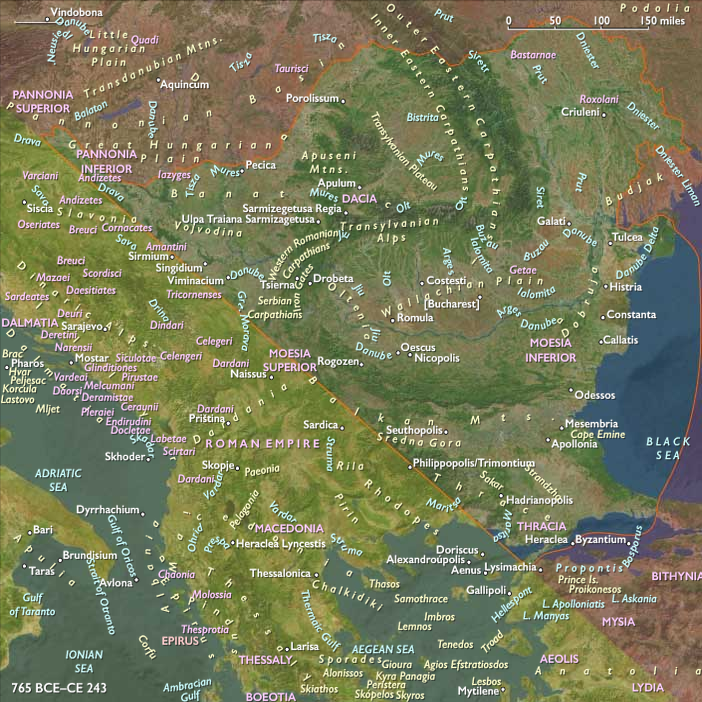
- Eastern Southeast Europe
- Middle East
- Near East
- Western Southeast Europe
- Mediterranean West Europe
- Mediterranean Southwest Europe
- North Africa
- Atlantic Southwest Europe
- Atlantic West Europe
- Northwest Europe



Related Events
Showing 10 events out of 61680 total
Years: 64 - 75
People
Groups
- Jews
- Batavi (Germanic tribe)
- Judea (Roman province)
- Roman Empire (Rome): Julio-Claudian dynasty
- Roman Empire (Rome): Flavian dynasty
Topics
- Pisonian conspiracy
- First Jewish-Roman War, or Jewish Revolt of 66-73
- Jewish–Roman wars
- Year of the Four Emperors, or Roman Civil War of 68-69
- Batavi, Revolt of the
Subjects
Regions
Subregions
- Eastern Southeast Europe
- Middle East
- Near East
- Western Southeast Europe
- Mediterranean West Europe
- Mediterranean Southwest Europe
- North Africa
- Atlantic Southwest Europe
- Atlantic West Europe
- Northwest Europe