
The Comet of 1729, also known as …
Years: 1729 - 1729
August
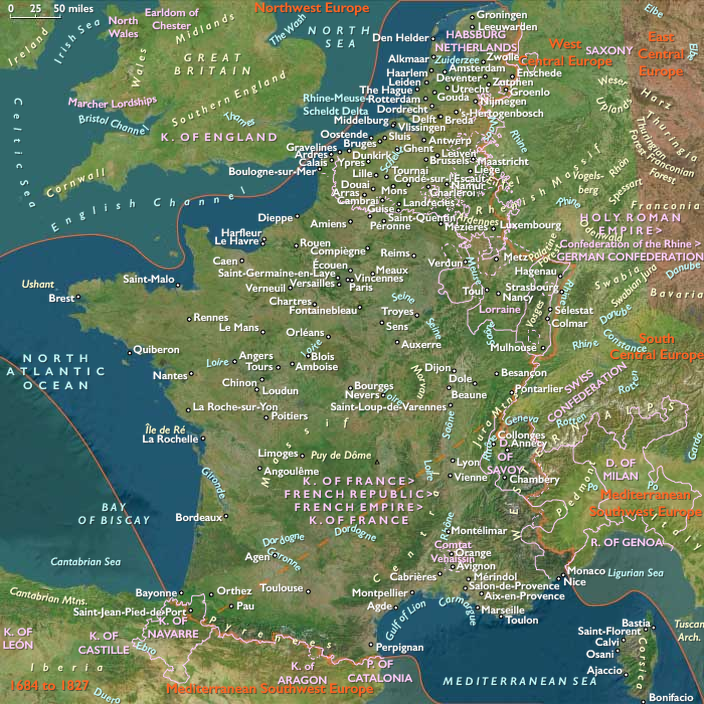
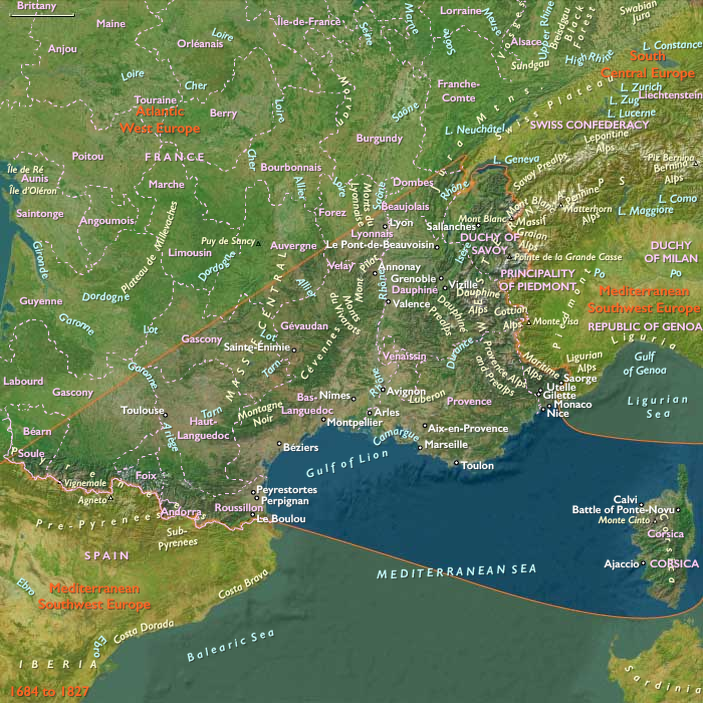
The Comet of 1729, also known as C/1729 P1 or Comet Sarabat, is discovered in the constellation of Equuleus by Father Nicolas Sarabat, a professor of mathematics, at Nîmes in the early morning of August 1, 1729.
Observing with the naked eye, Sarabat sees an object resembling a faint, nebulous star: he is at first unsure if it is a comet or part of the Milky Way.
Moonlight interferes with Sarabat's observations until August 9, but after recovering the object and attempting to detect its motion without the aid of any measuring instruments, he becomes convinced that he has found a new comet.
A non-periodic comet with an absolute magnitude of −3, the brightest ever observed for a comet, it is therefore considered to be the largest comet ever seen.
Locations
Groups
Subjects
Regions
Subregions
Related Events
Showing 10 events out of 27711 total
Years: 1729 - 1729
August
Locations
Groups
Subjects
Regions
Subregions