
Filters:
The Fall of …
Years: 475 - 475
Locations
People
Groups
- Gallia Aquitania (Roman province)
- Goths (East Germanic tribe)
- Septem Provinciae (Roman Diocese)
- Breton people
- Gaul, Praetorian prefecture of
- Roman Empire, Western (Ravenna)
- Suebic Kingdom of Galicia
- Visigothic Kingdom of Toulouse
- Vandals and the Alans, Kingdom of the
- Francia (Merovingians)
- Soissons, (Gallo-Roman) Domain of
Topics
- Late Antiquity
- Migration Period
- Fall of the Western Roman Empire
- Visigothic Raids on the Roman Empire, Later
- Migration Period Pessimum
Commodoties
Subjects
- Commerce
- Environment
- Labor and Service
- Conflict
- Faith
- Government
- Custom and Law
- Technology
- Movements
Regions
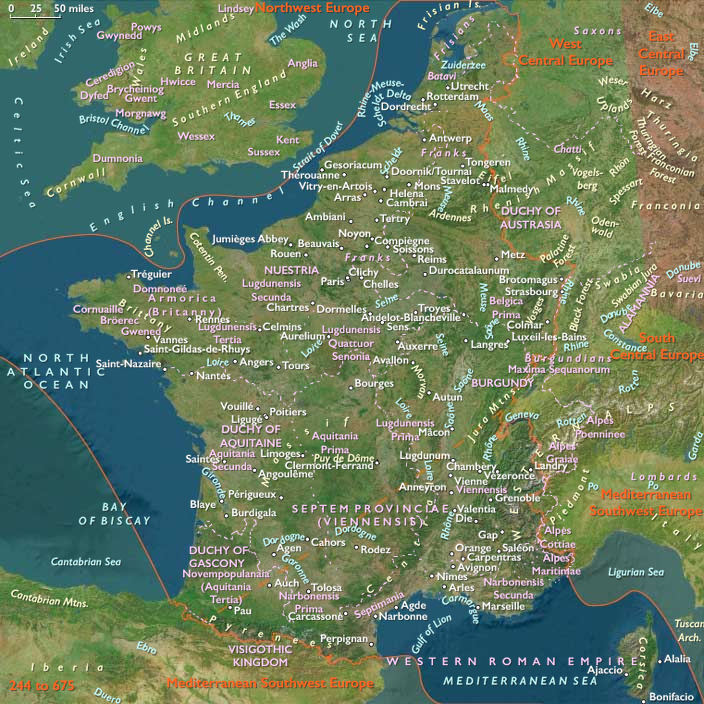
Subregions
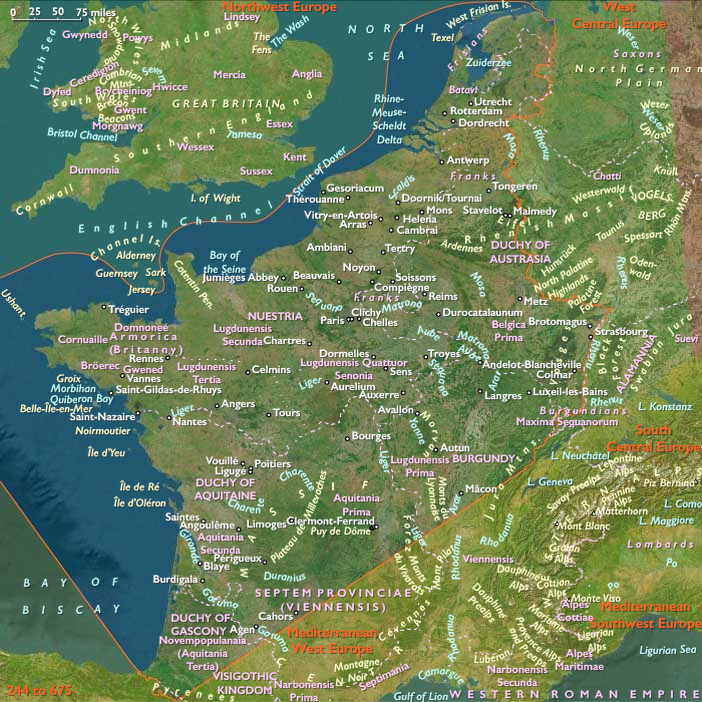
Related Events
Showing 4 events out of 4 total
Years: 475 - 475
Locations
People
Groups
- Gallia Aquitania (Roman province)
- Goths (East Germanic tribe)
- Septem Provinciae (Roman Diocese)
- Breton people
- Gaul, Praetorian prefecture of
- Roman Empire, Western (Ravenna)
- Suebic Kingdom of Galicia
- Visigothic Kingdom of Toulouse
- Vandals and the Alans, Kingdom of the
- Francia (Merovingians)
- Soissons, (Gallo-Roman) Domain of
Topics
- Late Antiquity
- Migration Period
- Fall of the Western Roman Empire
- Visigothic Raids on the Roman Empire, Later
- Migration Period Pessimum
Commodoties
Subjects
- Commerce
- Environment
- Labor and Service
- Conflict
- Faith
- Government
- Custom and Law
- Technology
- Movements
Regions
Subregions